
 E-Paper



Photos: NASA’s Spitzer Space Telescope shuts down after 16 years of operation
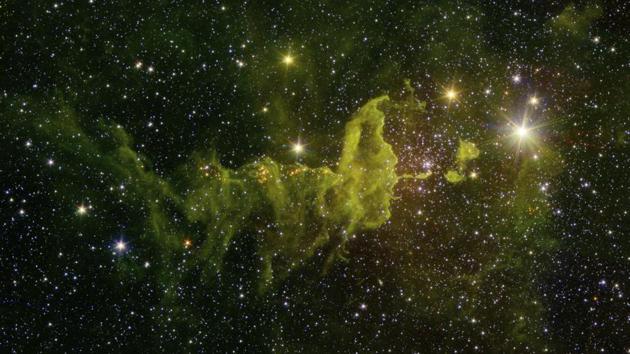
On Thursday, NASA decommissioned the Spitzer Space Telescope, one of its greatest observatories which have studied the universe by detecting cosmic infrared radiation for more than 16 years. According to NASA, the original mission planners didn't expect Spitzer to operate for 16-plus years. Spitzer, which was launched in 2003, studied some of the most distant galaxies ever detected with the light from some of the cosmic bodies travelling for billions of years to reach the telescope.
Updated on: Jan 31, 2020 6:56 PM IST


Share via


Copy link

1/10
 View Photos in a new improved layout
Updated on Jan 31, 2020 6:56 PM
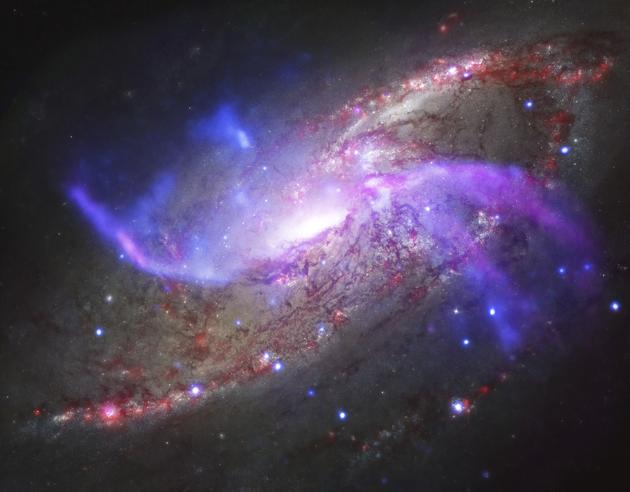
The galaxy NGC 4258, also known as M106, about 23 million light-years away from Earth was captured by the NASA's Chandra X-ray Observatory, the National Science Foundation's Karl Jansky Very Large Array, the Hubble Space Telescope and the Spitzer Space Telescope. NASA has decommissioned the Spitzer Space Telescope, one of its greatest observatories which has studied the universe by detecting cosmic infrared radiation for more than 16 years, the US space agency said in a statement. (AP)
2/10
 View Photos in a new improved layout
Updated on Jan 31, 2020 6:56 PM
By detecting infrared light, with wavelengths ranging from about 700 nanometres—too small to see with the naked eye—to about a millimetre, Spitzer could help astronomers unveil the presence of cosmic entities which are too cold to emit much visible light, including planets outside our solar system, and cold matter found in the space between stars, the US space agency noted. (AP)
3/10
 View Photos in a new improved layout
Updated on Jan 31, 2020 6:56 PM
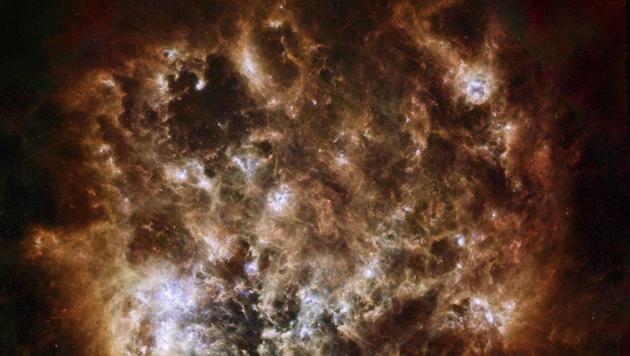
Large Magellanic Cloud galaxy in infrared light as seen by the Herschel Space Observatory, a European Space Agency-led mission, and NASA's Spitzer Space Telescope. Spitzer, the NASA astronomers said, also found a previously undetected ring around Saturn, composed of sparse dust particles that visible-light observatories cannot see. (PTI / AP)
4/10
 View Photos in a new improved layout
Updated on Jan 31, 2020 6:56 PM
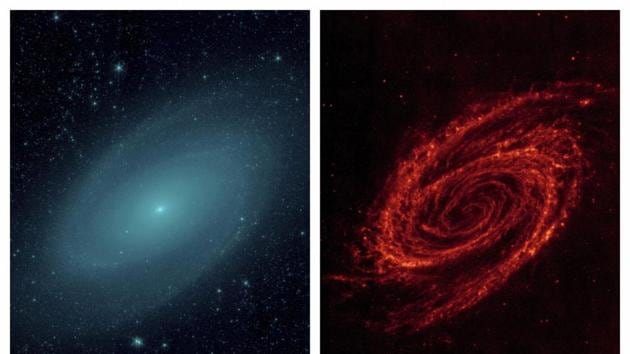
Combination of photos shows the spiral galaxy Messier 81 (M81) viewed in two different types of infrared wavelengths captured by the Spitzer Space Telescope. “It’s quite amazing when you lay out everything that Spitzer has done in its lifetime, from detecting asteroids in our solar system no larger than a stretch limousine to learning about some of the most distant galaxies we know of,” said Michael Werner, Spitzer’s project scientist. (PTI / AP)
5/10
 View Photos in a new improved layout
Updated on Jan 31, 2020 6:56 PM
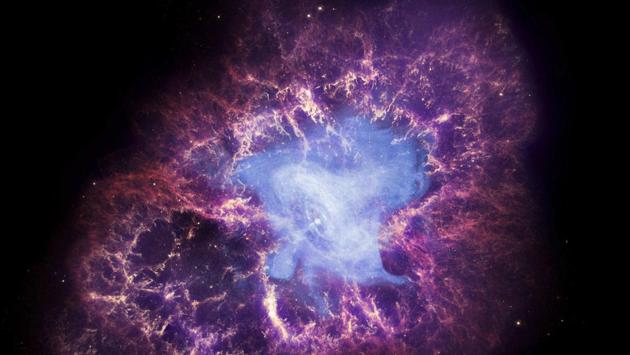
A neutron star left behind by the explosion from the original star's death in the constellation Taurus, observed on Earth as the supernova of A.D. 1054. According to NASA, the original mission planners didn’t expect Spitzer to operate for 16-plus years. (AP)
6/10
 View Photos in a new improved layout
Updated on Jan 31, 2020 6:56 PM
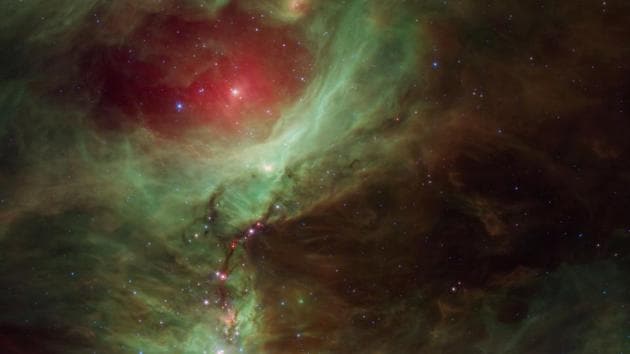
An active stellar nursery containing thousands of young stars and developing protostars, near the sword of the constellation Orion, captured by the Spitzer Space Telescope. (AP)
7/10
 View Photos in a new improved layout
Updated on Jan 31, 2020 6:56 PM
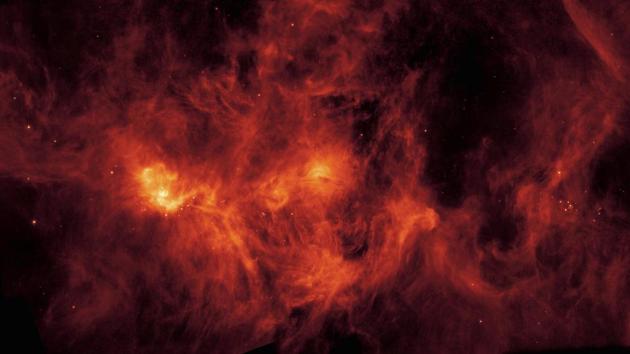
The Perseus Molecular Cloud, a collection of gas and dust over 500 light-years across, hosting an abundance of young stars, captured by the Spitzer Space Telescope. (NASA / JPL-Caltech /AP)
8/10
 View Photos in a new improved layout
Updated on Jan 31, 2020 6:56 PM
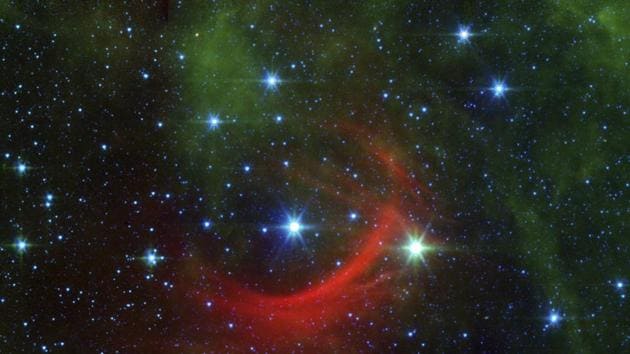
The runaway star Kappa Cassiopeiae, or HD 2905 and its bow shock formed when the magnetic fields and wind of particles flowing off the star collide with the diffuse, and usually invisible, gas and dust that fill the space between stars as it travels. It was captured by the Spitzer Space Telescope. (NASA/JPL-Caltech/AP)
9/10
 View Photos in a new improved layout
Updated on Jan 31, 2020 6:56 PM
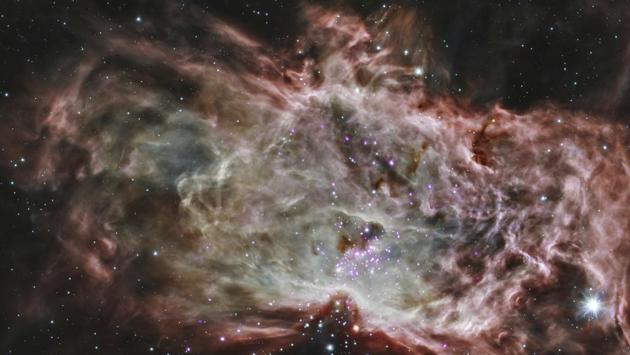
The cluster NGC 2024, which is found in the center of the Flame Nebula about 1,400 light years from Earth was captured by Spitzer Space Telescope. “It wasn’t in the plan to have Spitzer operating so far away from Earth, so the team has had to adapt year after year to keep the spacecraft operating,” said Joseph Hunt, Spitzer project manager. “But I think overcoming that challenge has given people a great sense of pride in the mission. This mission stays with you,” Hunt said. (AP)
10/10
 View Photos in a new improved layout
Updated on Jan 31, 2020 6:56 PM


