
 E-Paper



Photos: Thai scientists flock to bat caves to trace coronavirus origins
A team of scientists from the Thai Red Cross Emerging Infectious Diseases-Health Science Center has been chasing bats in their natural habitat in hopes of shedding more light over the origins of the coronavirus disease (Covid-19) that has ravaged the world. Thailand has 19 species of horseshoe bats –the species in which the closest match to the coronavirus was found in China –but researchers said the country’s species have not yet been tested for the new coronavirus. The team has been scraping through multiple bat caves and is studying pathogens carried by the animals and their transmission.
Updated on: Aug 13, 2020 6:47 PM IST


Share via


Copy link

1/8
 View Photos in a new improved layout
Updated on Aug 13, 2020 6:47 PM
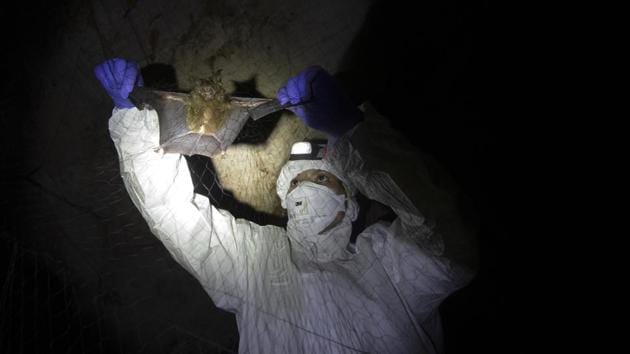
A researcher removes a bat from a trapping net in a cave inside Sai Yok National Park in Thailan’s Kanchanaburi province on August 1, 2020. A team of researchers in Thailand have been trekking though the countryside to catch bats in their caves in an effort to trace the murky origins of the coronavirus. (Sakchai Lalit / AP)
2/8
 View Photos in a new improved layout
Updated on Aug 13, 2020 6:47 PM
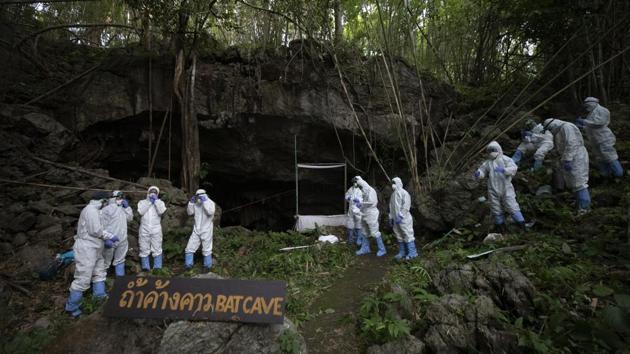
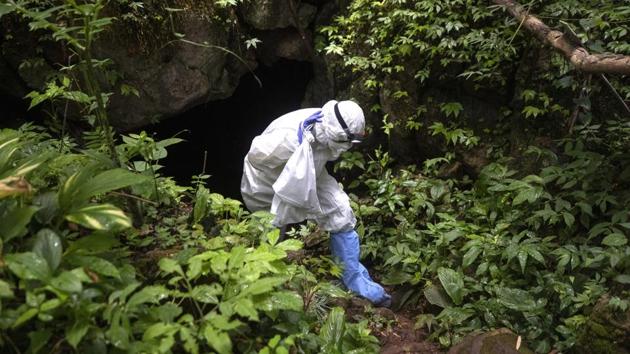
Researchers prepare to enter a bat cave inside Sai Yok National Park in Kanchanaburi province on July 31. Initial research has already pointed to bats as the source of the virus that has afflicted more than 20.5 million people and caused the deaths of over 748,000 worldwide, according to Johns Hopkins University data cited by the Associated Press. (Sakchai Lalit / AP)
3/8
 View Photos in a new improved layout
Updated on Aug 13, 2020 6:47 PM
A researcher collects samples from a bat's mouth in a cave at the Sai Yok National Park on July 31. The closest match to the coronavirus has been found in horseshoe bats in Yunnan province in southern China. (Sakchai Lalit / AP)
4/8
 View Photos in a new improved layout
Updated on Aug 13, 2020 6:47 PM
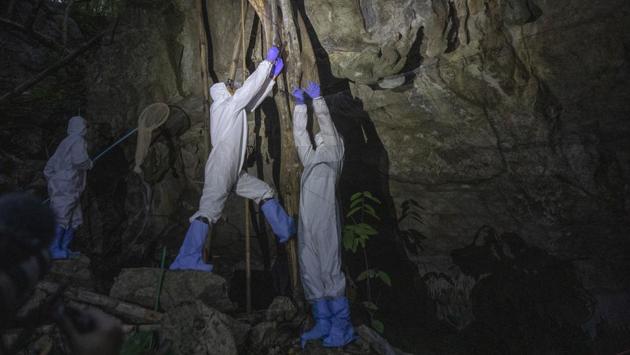
Researchers work to catch bats at the Sai Yok National Park in Kanchanaburi province on July 31. Thailand has 19 species of horseshoe bats but researchers said they have not yet been tested for the new coronavirus. (Sakchai Lalit / AP)
5/8
 View Photos in a new improved layout
Updated on Aug 13, 2020 6:47 PM
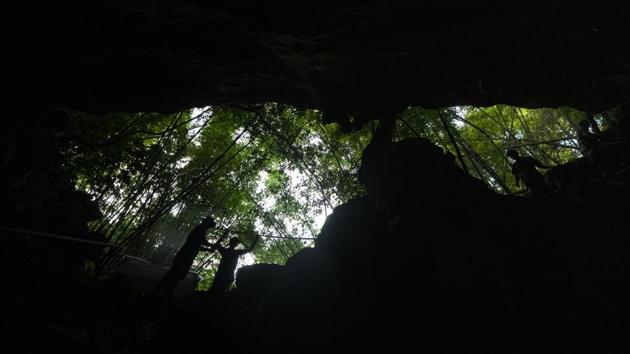
Researchers set up equipment in front of a cave inside Sai Yok National Park on July 31. The team of Thai researchers have been hiking in Sai Yok National Park in the western province of Kanchanaburi to set up nets to trap some 200 bats from three different caves. (Sakchai Lalit / AP)
6/8
 View Photos in a new improved layout
Updated on Aug 13, 2020 6:47 PM
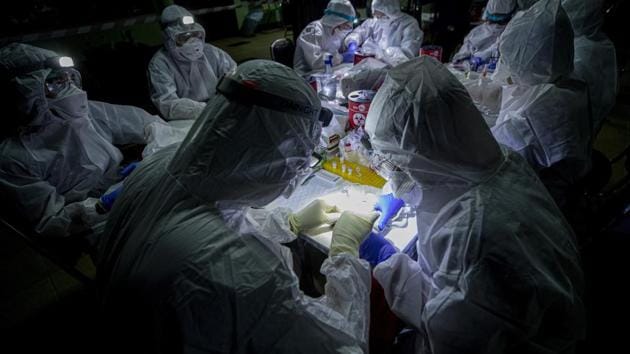
The team from the Thai Red Cross Emerging Infectious Diseases-Health Science Center took saliva, blood and stool samples from the bats before releasing them. They worked over two days, taking samples not only from horseshoe bats but also from other bat species they caught in order to better understand pathogens carried by the animals. (Sakchai Lalit / AP)
7/8
 View Photos in a new improved layout
Updated on Aug 13, 2020 6:47 PM
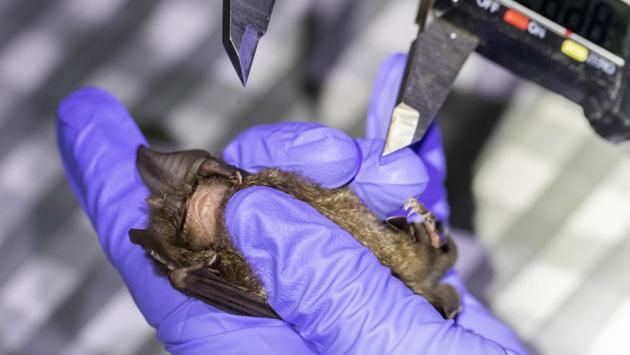
A researcher measures a bat captured inside Sai Yok National Park on July 31. The team was headed by Supaporn Wacharapluesadee, the center’s deputy chief, who has studied bats and diseases associated with them for more than 20 years. Wacharapluesadee was part of the group that helped Thailand confirm the first COVID-19 case outside China in January. (Sakchai Lalit / AP)
8/8
 View Photos in a new improved layout
Updated on Aug 13, 2020 6:47 PM


