
 E-Paper



Photos: Tokyo’s geisha struggle to survive amid the coronavirus
The austerity induced by the coronavirus has left Tokyo residents with little appetite for visits to geisha parlours –spelling economic uncertainty for these traditional performers. With precautions against infection deciding interactions, many people remain wary of spending hours in the closed traditional rooms where geisha entertain. Many geisha were without work for months due to Japan's state of emergency and now operate under awkward social distancing rules. Practitioners of this already struggling art form fear for their centuries-old profession like never before.
Updated on: Jul 17, 2020 10:50 AM IST


Share via


Copy link

1/8
 View Photos in a new improved layout
Updated on Jul 17, 2020 10:50 AM
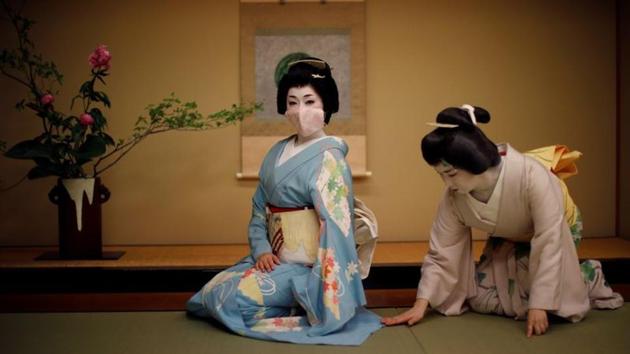
Koiku, who is a geisha, is seen wearing a protective face mask while her colleague Mayu adjusts her kimono before a performance in Tokyo on June 23. The number of geisha - famed for their witty conversation, beauty and skill at traditional arts - has been falling for years. Moreover, due to the coronavirus outbreak, many of them have been without work for months and now operate under awkward social distancing rules. (Kim Kyung-Hoon / REUTERS)
2/8
 View Photos in a new improved layout
Updated on Jul 17, 2020 10:50 AM
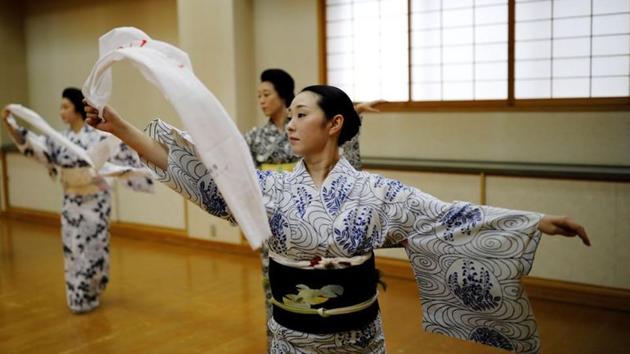
(L-R) Mayu, Maki and Koiku practice a dance routine during a class only for geisha in Tokyo on July 13. Coronavirus-induced austerity has slashed expense accounts, and many people remain wary of spending hours in the elegant but closed traditional rooms where geisha entertain. (Kim Kyung-Hoon / REUTERS)
3/8
 View Photos in a new improved layout
Updated on Jul 17, 2020 10:50 AM
Mayu uses a tablet to film her fellow geisha practising a dance routine during a class in Tokyo on July 13. Engagements are down 95%, and come with new rules: no pouring drinks for customers or touching them even to shake hands, and sitting 2 metres apart. Masks are hard to wear with their elaborate wigs, so they mostly don’t. (Kim Kyung-Hoon / REUTERS)
4/8
 View Photos in a new improved layout
Updated on Jul 17, 2020 10:50 AM
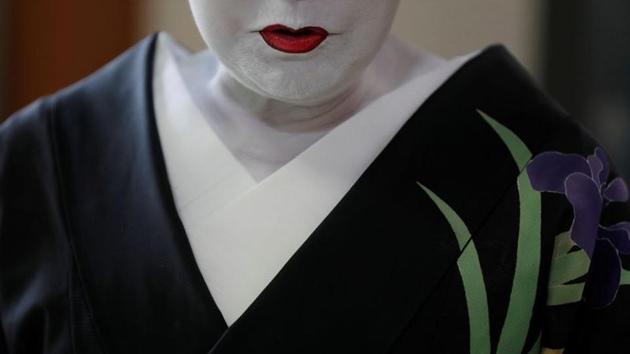
Ikuko, who is a geisha, prepares at her home before her performance at a party in Tokyo on June 23. “When you sit close, you can talk with feeling, your passion comes through, When you’re two metres apart, conversation breaks down,” Ikuko told Reuters. (Kim Kyung-Hoon / REUTERS)
5/8
 View Photos in a new improved layout
Updated on Jul 17, 2020 10:50 AM
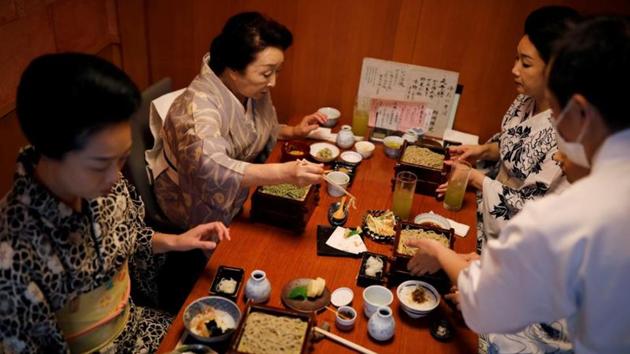
(L-R) Maki, Ikuko, Mayu and Koiku dine at a restaurant after their dance class in Tokyo on July 13. Geisha aren’t the only Japanese artists in danger. Similarly, performers of “jiutamai,” an ancient women’s dance, as well as makeup artists, wig stylists and kimono dressers, fear that the coronavirus could destroy their niche professions. (Kim Kyung-Hoon / REUTERS)
6/8
 View Photos in a new improved layout
Updated on Jul 17, 2020 10:50 AM
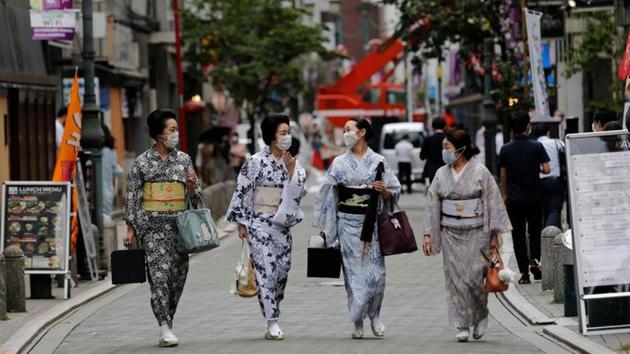
Geisha are seen wearing face masks as they stroll at a street in Tokyo after their dance class on July 13. Though the ancient capital of Kyoto is best known for geisha, Tokyo has six geisha districts of its own. But discouraged by the rigour of geisha life with its hours of artistic practice, very few now join. (Kim Kyung-Hoon / REUTERS)
7/8
 View Photos in a new improved layout
Updated on Jul 17, 2020 10:50 AM
(2nd L-R) Maki, Mayu, Ikuko and Koiku greet Fujima Hideka, a dance master of Japanese traditional dance, after attending a dance class for geisha in Tokyo on July 13. Lessons and kimono are expensive, with pay dependent on popularity. And some skills, such as the witty conversation that make older geisha like Ikuko especially popular, can only be gained through time. (Kim Kyung-Hoon / REUTERS)
8/8
 View Photos in a new improved layout
Updated on Jul 17, 2020 10:50 AM


