
 E-Paper



Photos: Weaning Myanmar’s eastern hills off poppy with silkworms
Many farmers in the hills of eastern Myanmar’s Shan state have long scraped the sticky brown sap of the poppy to produce opium. So much so that in recent years Myanmar has been behind only Afghanistan as the world's leading source of opium. A Chinese company working with such farmers hopes that silk-producing larva can help them, and Myanmar, quit the drug. A drop in prices and growing risks of running afoul of the heavy-handed eradication efforts by Myanmar authorities has contributed to a 25% fall in the total area under poppy cultivation since 2015, according to the UN.
Updated on: May 15, 2018 9:27 AM IST

Share via


Copy link

1/12

 View Photos in a new improved layout
Updated on May 15, 2018 9:27 AM
An ethnic Palaung woman holds silkworm cocoons in Wanpaolong village in Lashio District, northern Shan State, Myanmar. Most farming families in this easternmost state of the country have for generations only known farming poppies for opium. (Ann Wang / REUTERS)
2/12
 View Photos in a new improved layout
Updated on May 15, 2018 9:27 AM
For as long as anyone remembers, Zhou Xing Ci’s family had scraped the sticky brown poppy sap to produce opium. The crop – much of which ends up as heroin sold on foreign streets - has in recent years put Myanmar behind only Afghanistan as the world’s leading source of opium. “That tradition stops with me,” Zhou, 42, said at his sturdy new timber house. (Ann Wang / REUTERS)
3/12
 View Photos in a new improved layout
Updated on May 15, 2018 9:27 AM
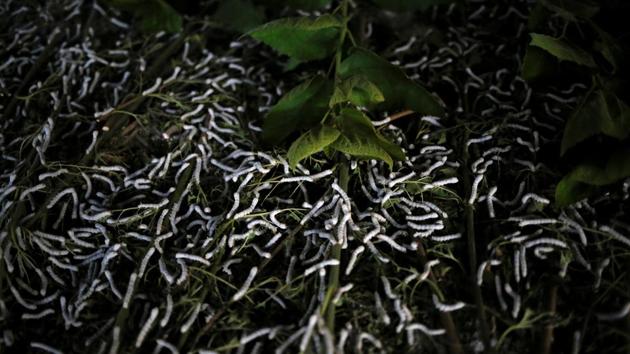
Silkworms feed on mulberry leaves in Wanpaolong village. Zhou is now in his third year raising silkworms, and says quicker profits have enabled his family - with six children - to upgrade from a bamboo hut. (Ann Wang / REUTERS)
4/12
 View Photos in a new improved layout
Updated on May 15, 2018 9:27 AM
Farmers receive payment for their first harvest of the year of silkworm cocoons at a base camp of DH Silco Enterprise, a Chinese company, in Tangyan township. The company, working with farmers like Zhou hopes the silk-producing larva can help the farmers, and their country, quit the drug. (Ann Wang / REUTERS)
5/12
 View Photos in a new improved layout
Updated on May 15, 2018 9:27 AM
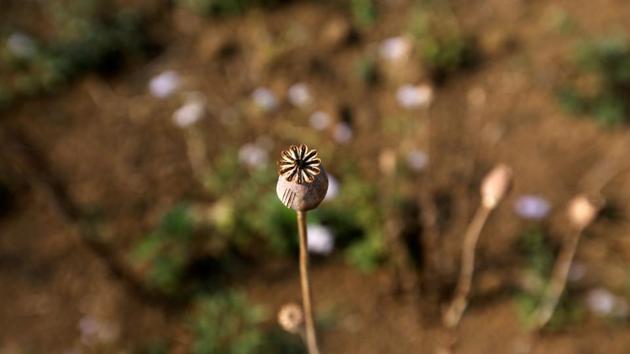
A dried poppy is seen in a field next to a mulberry farm. “Growing opium is too tough. It’s only one harvest every year and a rain can easily destroy a whole year’s work,” Zhou said. The price for opium has fallen, he said, and growing poppies risks running afoul of heavy-handed eradication efforts by Myanmar authorities. (Ann Wang / REUTERS)
6/12
 View Photos in a new improved layout
Updated on May 15, 2018 9:27 AM
A worker (R) from DH Silco Enterprise, delivers a new round of silkworms to farmers in Wanpaolong. The price drop, alongside the rise of synthetic drugs like methamphetamine, has contributed to a 25% fall in the total area of Myanmar under poppy cultivation since 2015, according to the United Nations Office on Drugs and Crime (UNODC). (REUTERS)
7/12
 View Photos in a new improved layout
Updated on May 15, 2018 9:27 AM
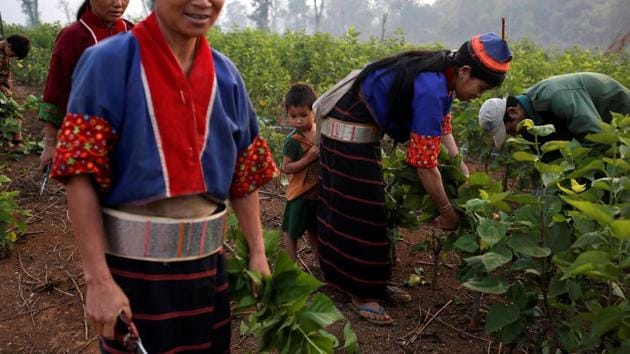
Ethnic Palaung workers collect mulberry leaves to feed silkworms. The UN agency has assisted more than 1,000 farmers to switch from opium to coffee since 2014, said Troels Vester, UNODC country manager for Myanmar. Still, 41,000 hectares of poppy was planted in Myanmar last year. Farmers in conflict areas were less likely to have moved to licit crops, it added. (Ann Wang / REUTERS)
8/12
 View Photos in a new improved layout
Updated on May 15, 2018 9:27 AM
In the corner of Myanmar where Zhou lives, bordering China’s Yunnan province, various armed groups operate and the law is barely enforced, providing a haven for opium traders, as well as heroin producers and meth-lab operators. (Ann Wang / REUTERS)
9/12
 View Photos in a new improved layout
Updated on May 15, 2018 9:27 AM
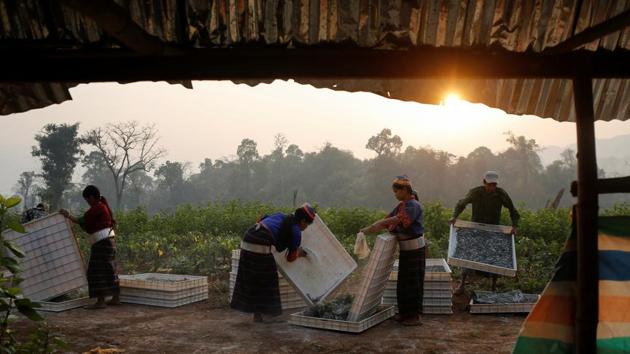
A group of ethnic Palaung workers clean off trays for baby silkworms at a mulberry farm. About 50 sericulturalists from China help farmers to harvest as often as every two weeks between April and November, said Wang Bing, 63, vice general manager of DH Silco Enterprise. (Ann Wang / REUTERS)
10/12
 View Photos in a new improved layout
Updated on May 15, 2018 9:27 AM
“It was nothing but poppy farms when we first arrived in this area in 2014,” Wang said. The company is working with more than 1,800 families, who grow mulberry bushes to feed the silkworms on 2,000 hectares of land, producing at least 288,000 kg of cocoons to be exported to China each year. (REUTERS)
11/12
 View Photos in a new improved layout
Updated on May 15, 2018 9:27 AM
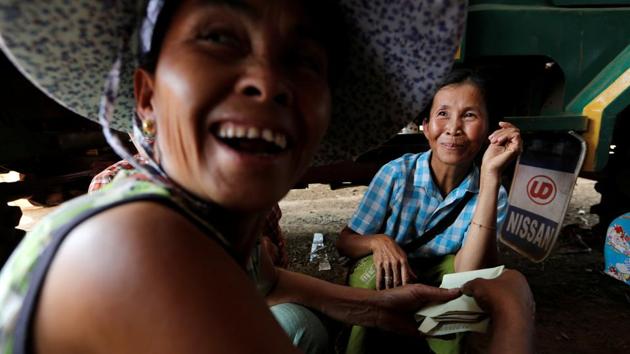
Shan women react after being paid for selling silkworm cocoons from their first harvest of the year, in Wanpaolong. Some villagers have moved to lower lying areas to take part. Others are now farming silkworms alongside other crops like watermelons. (Ann Wang / REUTERS)
12/12
 View Photos in a new improved layout
Updated on May 15, 2018 9:27 AM


