
 E-Paper



Photos: Youth protesters of Sudan await justice amid transition
The young protesters who led Sudan's uprising against former President Omar al-Bashir, are now caught in the limbo of the country's fragile interim period. They say they've lost trust in the generals leading the country after a brutal crackdown on their sit-in last summer by security forces that killed dozens. Nearly a year after al-Bashir’s ouster, the country faces a dire economic crisis, leaving many young people jobless.
Updated on: Mar 12, 2020 3:23 PM IST


Share via


Copy link

1/9
 View Photos in a new improved layout
Updated on Mar 12, 2020 3:23 PM
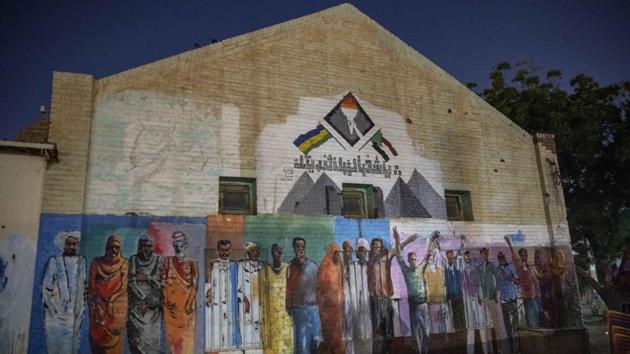
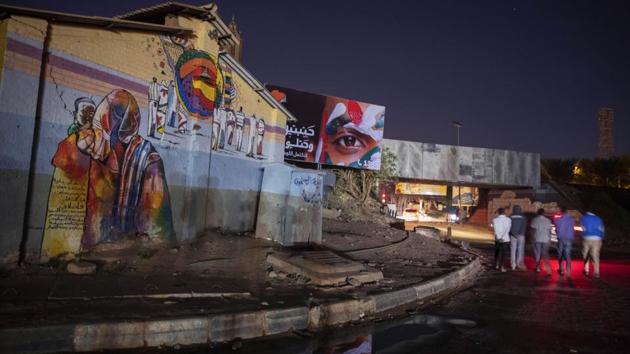
Graffiti made during last years’ revolution on a street in Khartoum, Sudan. When activist and artist Youssef al-Sewahly took to the streets in Sudan late in 2018, he and the other protesters had one goal: to remove the autocratic regime of Omar al-Bashir and replace it with a civilian-led government. They’ve achieved the former, but the latter still hangs in the balance. (Nariman El-Mofty / AP)
2/9
 View Photos in a new improved layout
Updated on Mar 12, 2020 3:23 PM
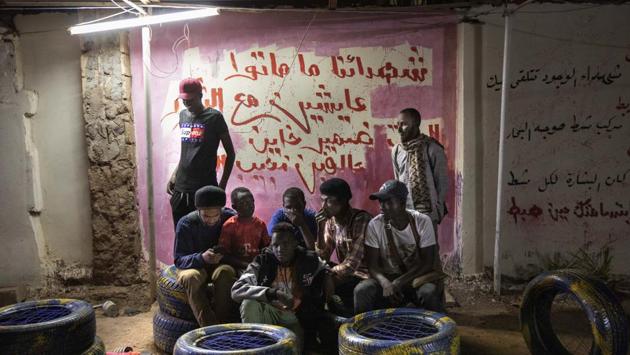
Young activists seen at the Revolutionary Martyrs Center, in Khartoum. Now, al-Sewahly and other young protesters find themselves with their futures on hold, suspended with the uncertainty of the post-uprising transition. (Nariman El-Mofty / AP)
3/9
 View Photos in a new improved layout
Updated on Mar 12, 2020 3:23 PM
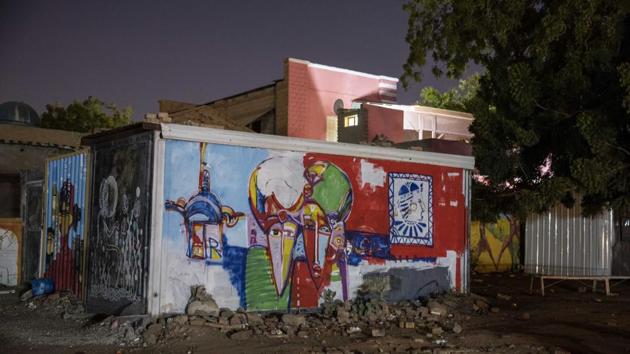
Nearly a year after al-Bashir’s ouster, the country faces a dire economic crisis. Inflation stands at a staggering 60% and the unemployment rate was 22.1% in 2019, according to the International Monetary Fund—reported AP. (Nariman El-Mofty / AP)
4/9
 View Photos in a new improved layout
Updated on Mar 12, 2020 3:23 PM
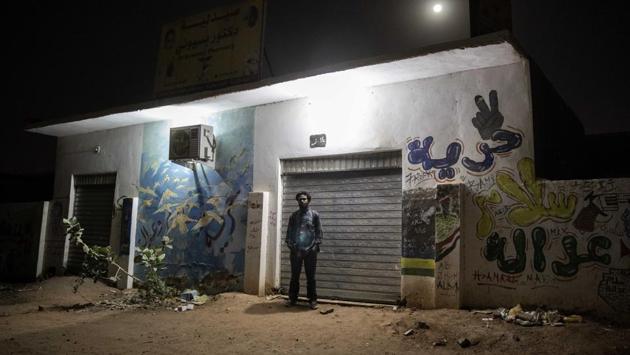
Sudanese activist and artist Youssef al-Sewahly stands next to graffiti he made during last years’ revolution. The government has said that 30% of Sudan’s young people, who make up more than half of the over 42 million population, are without jobs—reported AP. (Nariman El-Mofty / AP)
5/9
 View Photos in a new improved layout
Updated on Mar 12, 2020 3:23 PM
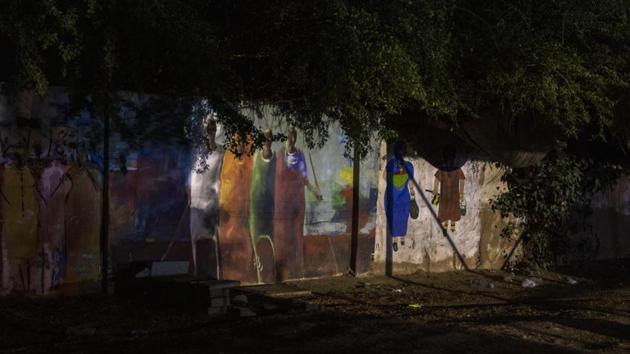
Farida, 26, graduated from the University of Khartoum in 2017 with a degree in education. Since then, she has not been able to find work as a teacher. She helps her mother who works as a tea street vendor in the capital. She, like many young people, predicts the return of protests if things don’t improve. (Nariman El-Mofty / AP)
6/9
 View Photos in a new improved layout
Updated on Mar 12, 2020 3:23 PM
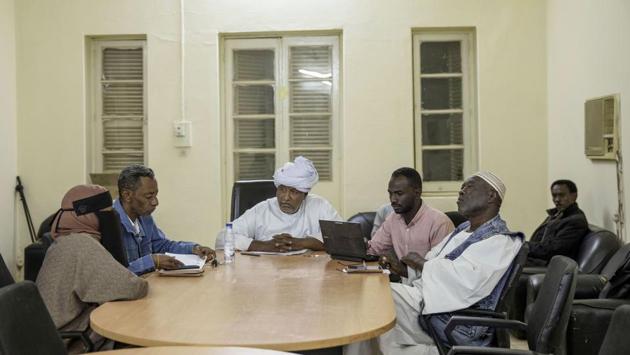
Sudanese families who lost loved ones during last years’ revolution gather for a meeting, at the Revolutionary Martyrs Center. Youth activists like al-Sewahly face arrest and intimidation and are still reeling from a ferocious crackdown by security forces last summer that broke up their sit-in and killed dozens. (Nariman El-Mofty / AP)
7/9
 View Photos in a new improved layout
Updated on Mar 12, 2020 3:23 PM
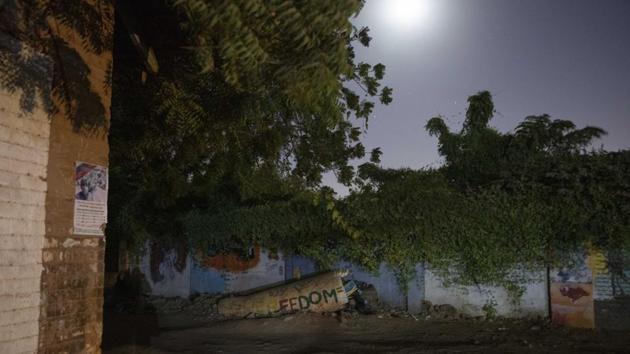
“Our trust in the military is zero, we do not expect anything from them,” said al-Sewahly, 19, who stopped attending high school when the protests started. (Nariman El-Mofty / AP)
8/9
 View Photos in a new improved layout
Updated on Mar 12, 2020 3:23 PM
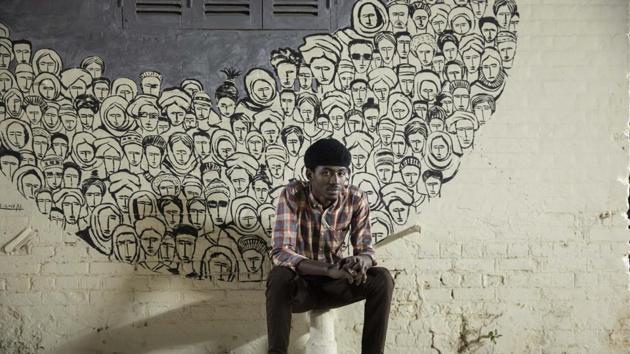
Activist Wadah Ahmed, 21, poses for a photograph, at the Revolutionary Martyrs Center. Al-Sewahly and other activists have found a refuge at a charity centre just blocks away from the former location of the sit-in. It sprang up as a central point where family members could come for help as they searched for protesters missing and feared dead in the June 3 crackdown. (Nariman El-Mofty / AP)
9/9
 View Photos in a new improved layout
Updated on Mar 12, 2020 3:23 PM


