
 E-Paper



Syrian children with cancer face the brunt of civil war
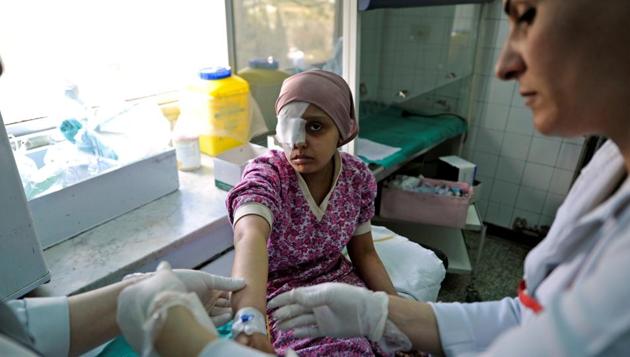
Nurses tend to a child with cancer at Damascus Children's Hospital in Damascus, Syria. In the cancer ward at Damascus Children’s Hospital, doctors are struggling with a critical shortage of specialist drugs to treat their young patients - and it’s not just due to the general chaos of the Syrian civil war. (Omar Sanadiki/REUTERS)
Updated on: Mar 21, 2017 9:12 AM IST

Share via


Copy link

1/15
 View Photos in a new improved layout
Updated on Mar 21, 2017 9:12 AM
Nurses tend to a child with cancer at Damascus Children's Hospital in Damascus, Syria. In the cancer ward at Damascus Children’s Hospital, doctors are struggling with a critical shortage of specialist drugs to treat their young patients - and it’s not just due to the general chaos of the Syrian civil war. (Omar Sanadiki/REUTERS)
2/15
 View Photos in a new improved layout
Updated on Mar 21, 2017 9:12 AM
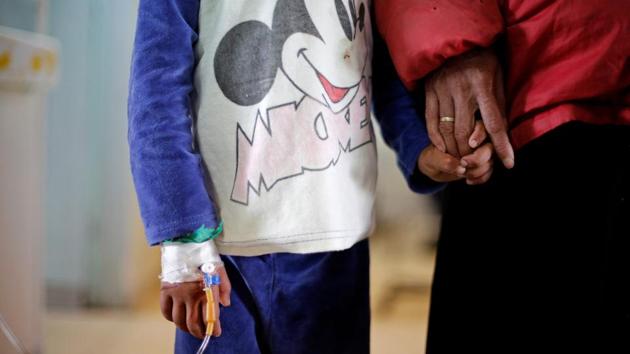
Syrian boy Ghazi (L) stands next to his mother Um Ghazi, as he receives treatment for cancer. (Omar Sanadiki/REUTERS)
3/15
 View Photos in a new improved layout
Updated on Mar 21, 2017 9:12 AM
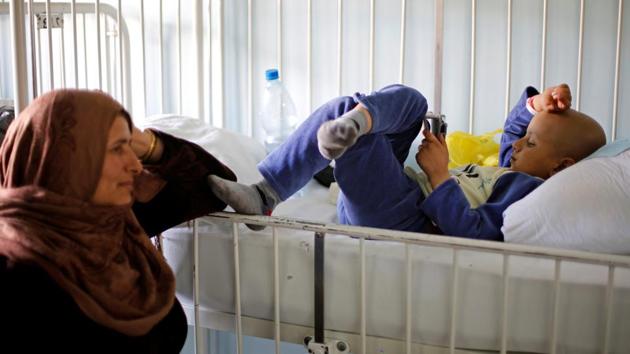
Syrian boy Fahd (R) plays with a mobile phone next to his mother Um Fahd, as he receives treatment for cancer. Six years of conflict have brought the Syrian health service, once one of the best in the Middle East, close to collapse. Fewer than half of the country’s hospitals are fully functioning and numbers of doctors have dived. (Omar Sanadiki/REUTERS)
4/15
 View Photos in a new improved layout
Updated on Mar 21, 2017 9:12 AM
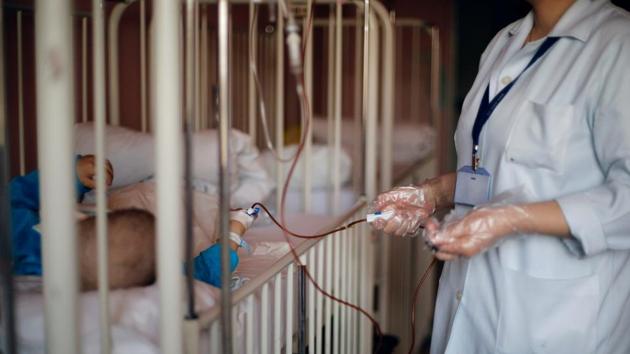
A nurse tends to a child suffering from cancer at Damascus Children's Hospital in Damascus, Syria. Local and World Health Organization (WHO) officials also blame Western sanctions for severely restricting pharmaceutical imports, even though medical supplies are largely exempt from measures imposed by the United States and European Union. (Omar Sanadiki/REUTERs)
5/15
 View Photos in a new improved layout
Updated on Mar 21, 2017 9:12 AM
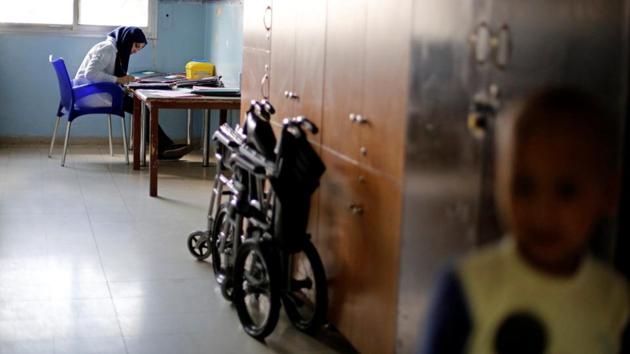
A young cancer patient stands as a nurse sits at a desk inside Damascus Children's Hospital. The result is tumbling life expectancy - even after accounting for the hundreds of thousands directly killed in the fighting - and soaring deaths in pregnancy and childbirth. (Omar Sanadiki/REUTERS)
6/15
 View Photos in a new improved layout
Updated on Mar 21, 2017 9:12 AM
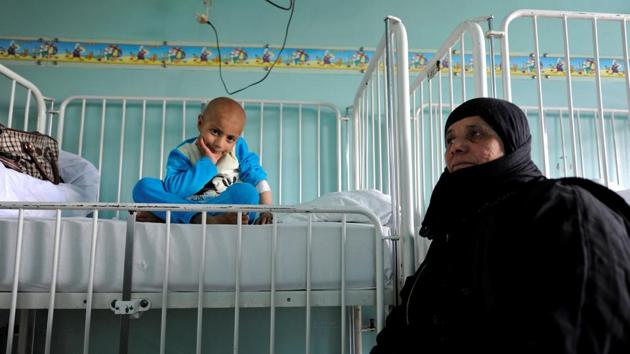
Syrian girl Rahma (L) sits on a bed next to her grandmother Um Ahmad, as she receives treatment for cancer. On top of this, cuts in health spending by the government that is fighting a hugely expensive war, a drastic fall in the Syrian currency and indirect effects of the sanctions are all deepening the misery of patients who need foreign-made drugs. (Omar Sanadiki/REUTERS)
7/15
 View Photos in a new improved layout
Updated on Mar 21, 2017 9:12 AM
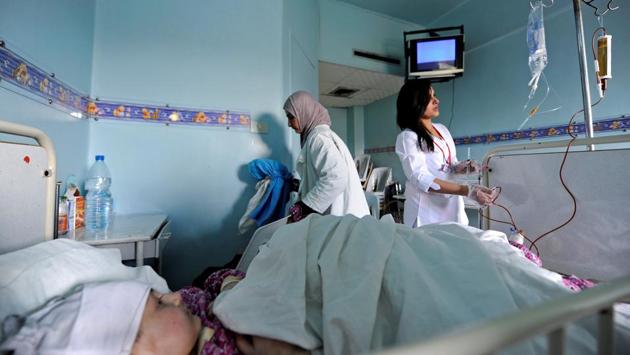
Nurses tend to a child with cancer at Damascus Children's Hospital. At the children’s hospital in government-held Damascus, the waiting room outside the cancer ward was crowded with relatives, many of whom had brought clothes, mattresses and blankets in case they had to spend long periods far from their homes outside the city. (Omar Sanadiki/REUTERS)
8/15
 View Photos in a new improved layout
Updated on Mar 21, 2017 9:12 AM
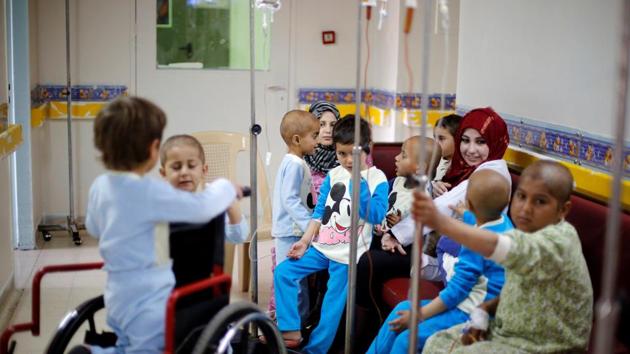
Children with cancer sit at Damascus Children's Hospital in Damascus, Syria. Before the conflict, Syria produced 90 percent of the medicines it needed but anti-cancer drugs were among those where it traditionally relied on imports. (Omar Sanadiki/REUTERS)
9/15
 View Photos in a new improved layout
Updated on Mar 21, 2017 9:12 AM
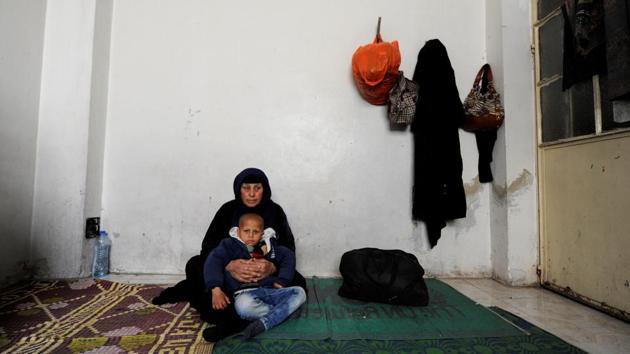
A child with cancer rests with his grandmother inside a shelter provided by Basma, a private charity which funds cancer drugs for some poor families. Elizabeth Hoff, the WHO representative in Syria, said medicine imports have been hit by significant cuts in the government’s health budget since the war began in 2011 plus a 90 percent drop in the value of the Syrian pound, which has made some pharmaceuticals prohibitively expensive. (Omar Sanadiki/REUTERS)
10/15
 View Photos in a new improved layout
Updated on Mar 21, 2017 9:12 AM
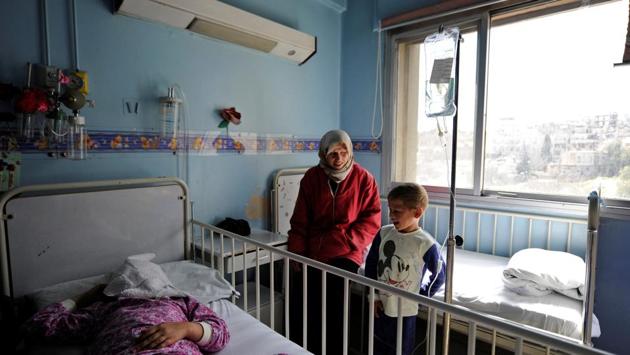
Syrian boy Ghazi (R) who receives treatment for cancer and his mother Um Ghazi (C) stand at the bed of another patient. However, a lack of cash is not the only reason why supplies of cancer drugs are falling far short of increasing demand. (Omar Sanadiki/REUTERS)
11/15
 View Photos in a new improved layout
Updated on Mar 21, 2017 9:12 AM
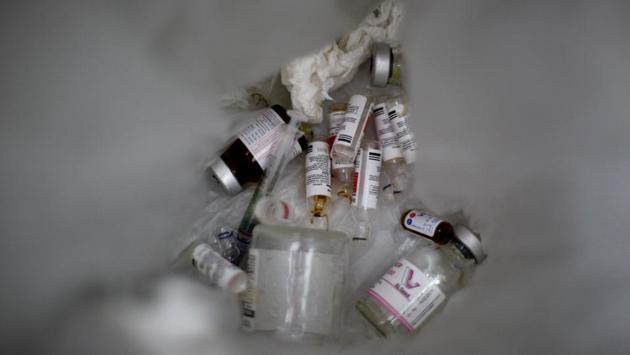
Disposed cancer medicine containers distributed by Basma, a private charity which funds cancer drugs for some poor families. The United States and EU have imposed a range of measures targeted both at the government and some of the many armed groups operating in the country. (Omar Sanadiki/REUTERS)
12/15
 View Photos in a new improved layout
Updated on Mar 21, 2017 9:12 AM
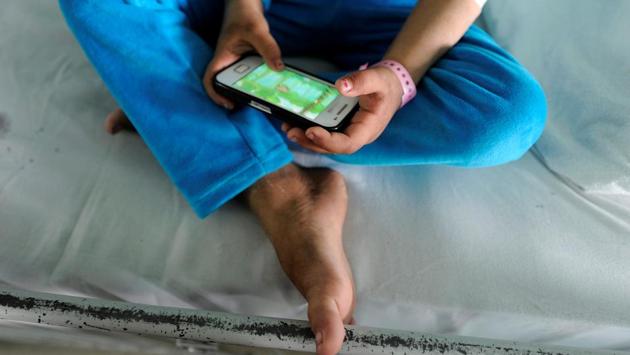
Syrian girl Rahma plays with a mobile phone on her bed. Washington has banned the export or sale of goods and services to Syria from the United States or by U.S. citizens. The EU has imposed travel bans, asset freezes and an arms embargo, with sanctions also targeting financial ties with Syrian institutions, buying oil and gas from the country or investing in its energy industry. (Omar Sanadiki/REUTERS)
13/15
 View Photos in a new improved layout
Updated on Mar 21, 2017 9:12 AM
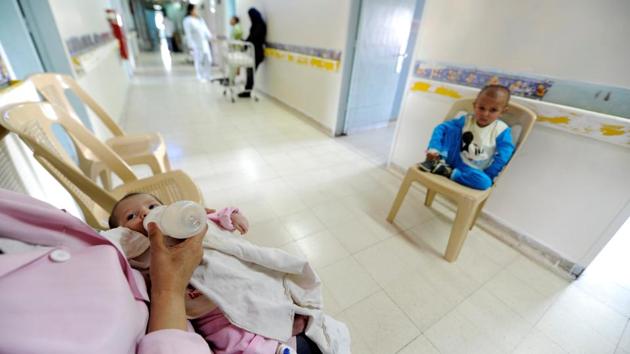
A nurse feeds a baby undergoing cancer tests, as another child with cancer sits on a chair. (Omar Sanadiki/REUTERS)
14/15
 View Photos in a new improved layout
Updated on Mar 21, 2017 9:12 AM
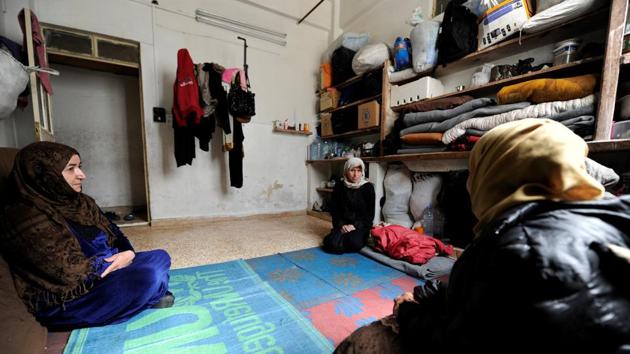
Un Ghazi (C), mother of cancer patient Ghazi, rests near other women inside a shelter provided by Basma. President Bashar al-Assad has partly blamed the sanctions for turning many Syrians into refugees, often heading to Europe. (Omar Sanadiki/REUTERS)
15/15
 View Photos in a new improved layout
Updated on Mar 21, 2017 9:12 AM


