

 E-Paper


Chernobyl after 30 years: The disaster that changed a generation
1 / 14
 View Photos in a new improved layout
Updated on Apr 27, 2016 11:31 am IST
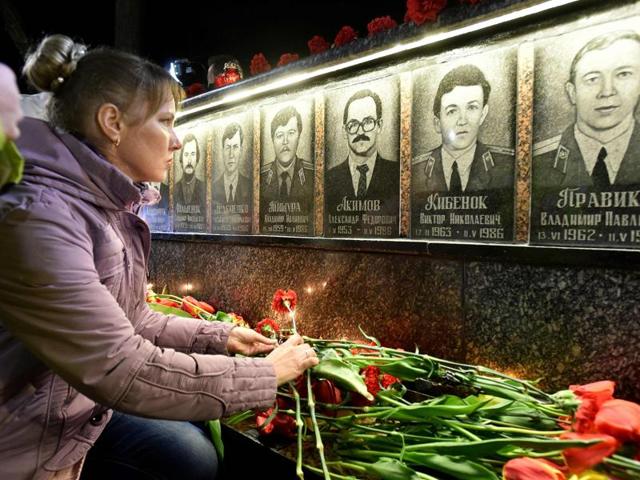
A woman places a flower in front of the monument to Chernobyl victims in Slavutich, some 50 kilometres (30 miles) from the accident site during a memorial ceremony. (AFP Photo)
2 / 14
 View Photos in a new improved layout
Updated on Apr 27, 2016 11:31 am IST
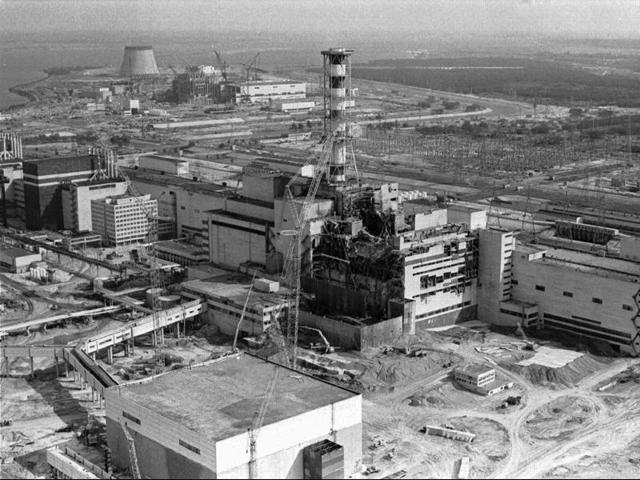
A 1986 file photo of the Chernobyl nuclear plant in Chernobyl, Ukraine showing damage from an explosion and fire in reactor four on April 26, 1986 that sent large amounts of radioactive material into the atmosphere. (AP Photo)
3 / 14
 View Photos in a new improved layout
Updated on Apr 27, 2016 11:31 am IST
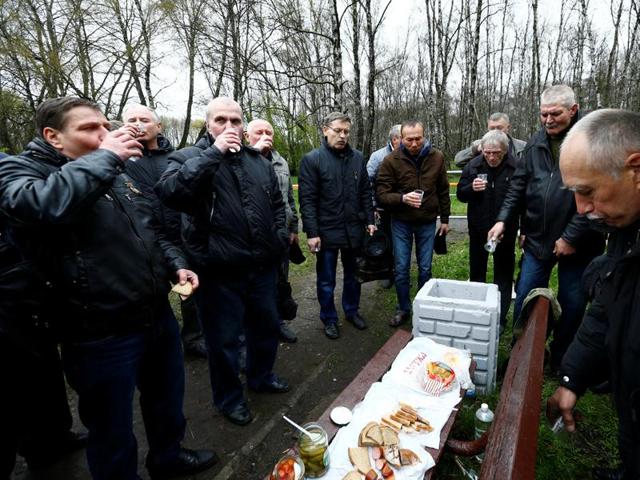
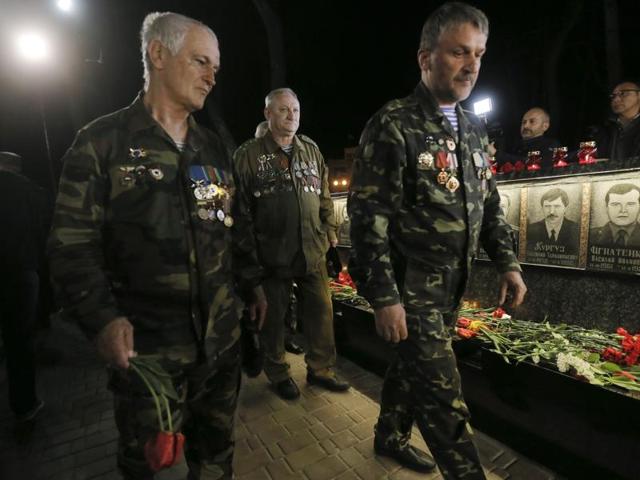
Men who took part in liquidation of consequences of the Chernobyl disaster, drink vodka to remember their deceased friends after the official ceremony in Minsk, Belarus. (REUTERS)
4 / 14
 View Photos in a new improved layout
Updated on Apr 27, 2016 11:31 am IST
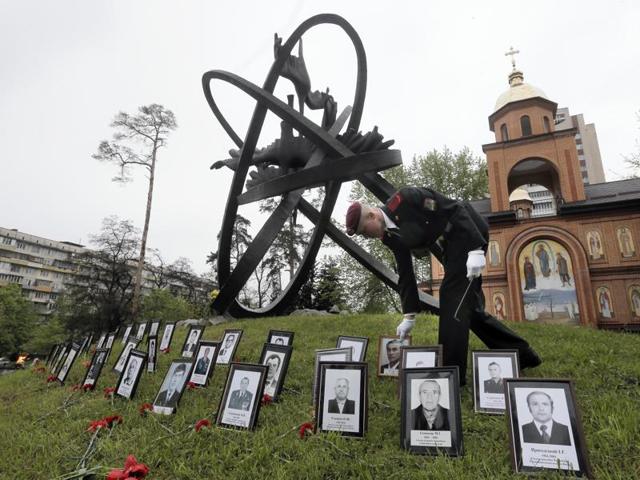
Ukraine marks the 30th anniversary of the Chernobyl nuclear disaster, which spread radiation over much of northern Europe. (AP Photo)
5 / 14
 View Photos in a new improved layout
Updated on Apr 27, 2016 11:31 am IST
Guards of Honour march with a wreath during a memorial ceremony to mark the 30th anniversary of the Chernobyl disaster. The meltdown was the world’s worst nuclear disaster and changed how nations viewed atomic energy. (REUTERS)
6 / 14
 View Photos in a new improved layout
Updated on Apr 27, 2016 11:31 am IST
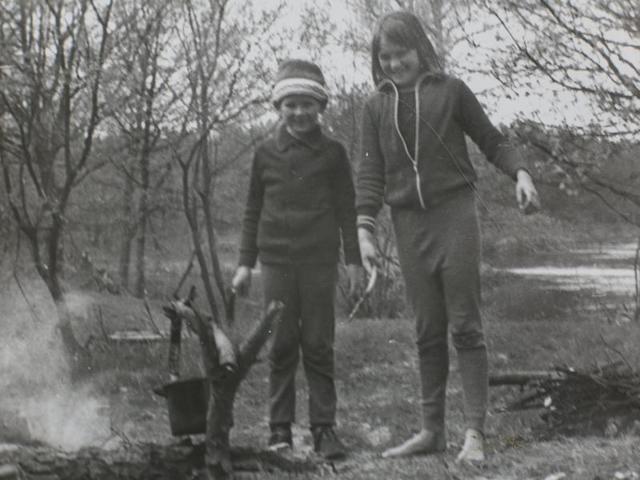
An undated photograph shows Oleksiy Yermakov (L) before the Chernobyl nuclear disaster in the town of Pripyat, Ukraine. (REUTERS)
7 / 14
 View Photos in a new improved layout
Updated on Apr 27, 2016 11:31 am IST
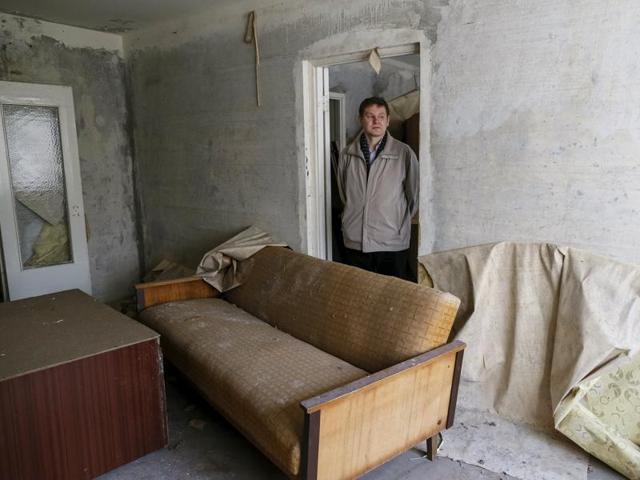
Oleksiy Yermakov, now 41, poses for a photograph in his flat in the ghost town of Pripyat, Ukraine April 5, 2016. For residents of Chernobyl, a three-day evacuation turned into a thirty-year exile. (REUTERS)
8 / 14
 View Photos in a new improved layout
Updated on Apr 27, 2016 11:31 am IST
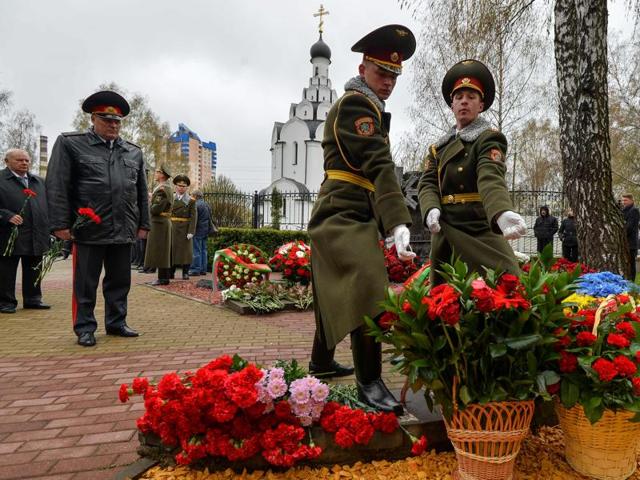
Honour guard soldiers lay flowers at the Chernobyl victims' memorial in Minsk. The exact number of casualties is unknown, largely due to the Soviet Union’s initial attempts to cover it up. (AFP Photo)
9 / 14
 View Photos in a new improved layout
Updated on Apr 27, 2016 11:31 am IST
The then Soviet premier Mikhail Gorbachev famously described Chernobyl as being “the final nail” for the USSR, and the pivotal event that ushered in his policy of glasnost, or “openness”. (AP Photo)
10 / 14
 View Photos in a new improved layout
Updated on Apr 27, 2016 11:31 am IST
Moss is seen growing on a child's slipper in the ghost town of Pripyat. 50,000 residents had to flee following the explosion in 1986. None have returned. (REUTERS)
11 / 14
 View Photos in a new improved layout
Updated on Apr 27, 2016 11:31 am IST
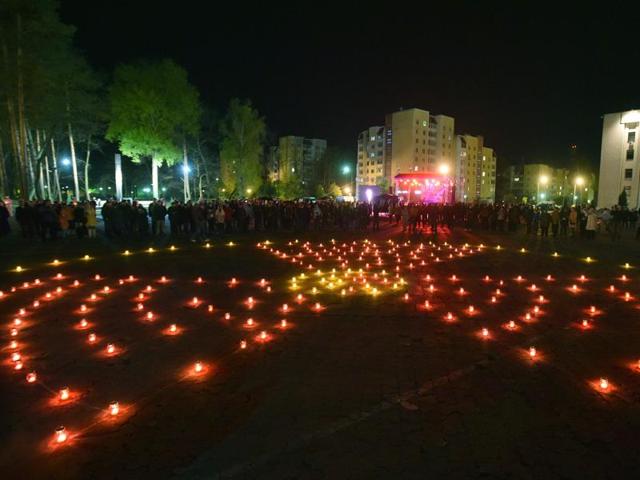
Candles set in the shape of a radiation hazard symbol is seen on a square next to the monument to Chernobyl victims in Slavutich, some 50 kilometres from the accident site, and where many of the power station's personnel used to live. (AFP Photo)
12 / 14
 View Photos in a new improved layout
Updated on Apr 27, 2016 11:31 am IST
The Ukrainian government allowed the remaining three generators operate because of an acute power shortage in the country at the time. (REUTERS)
13 / 14
 View Photos in a new improved layout
Updated on Apr 27, 2016 11:31 am IST
A tree grows out of the door of an abandoned barn in the 30 km (19 mile) exclusion zone around Chernobyl. The impact of the radiation has permanently marked the region and all that dwell within it. (REUTERS)
14 / 14
 View Photos in a new improved layout
Updated on Apr 27, 2016 11:31 am IST