
 E-Paper



Maharashtra missed first phase of Rs 2,100 cr national dam safety programme
This absence now figures conspicuously amidst the rising death toll due to the breaching of the Tiware dam in Ratnagiri district on July 2

 Prefer HTon Google


In April 2012, Maharashtra was conspicuous by its absence in the first phase of a national dam safety programme- the central government’s Dam Rehabilitation and Improvement Project (DRIP), Phase-1.
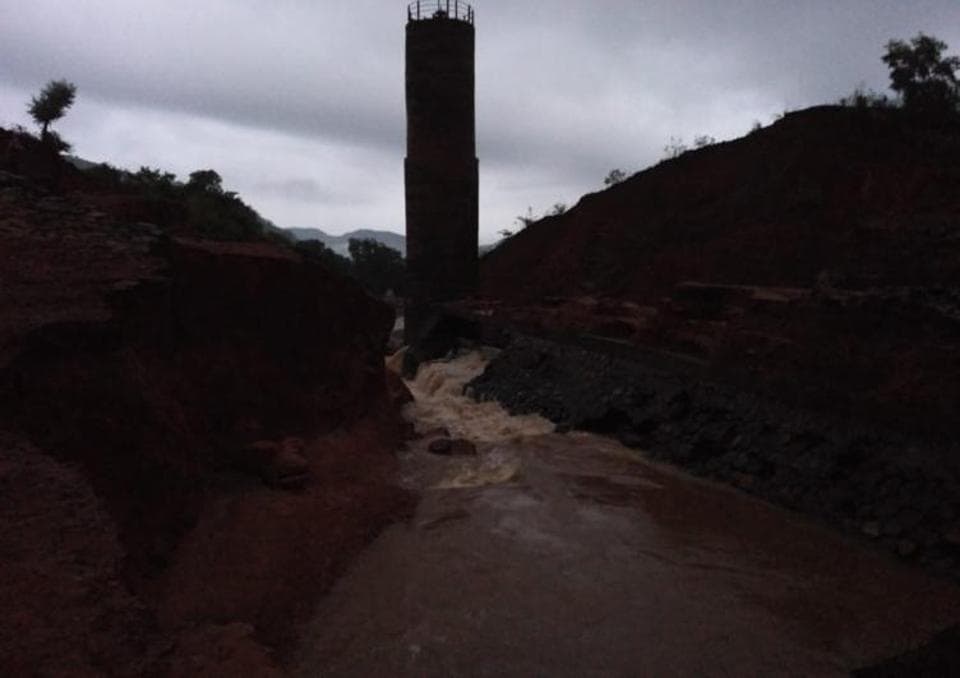
This absence now figures conspicuously amidst the rising death toll due to the breaching of the Tiware dam in Ratnagiri district on July 2.
DRIP Phase-1 was initiated in 2012 with World Bank funding to improve the safety and operational performance of selected dams across the country. Initially, 225 dam projects across seven states, namely, Jharkhand, Karnataka, Kerala, Madhya Pradesh, Odisha, Tamil Nadu and Uttarakhand were selected and finally, the number was revised to 198 with a funding of Rs. 2,100 crore. Maharashtra, however, did not figure in this project.
When asked about the state’s absence from the first phase of DRIP, deputy secretary in the Water Resource department, Atul Kapole said, “DRIP-1 happened six years ago. As per my information, Maharashtra applied at that time but may not have not completed norms of the Central government and World Bank. But now in DRIP II, Maharashtra has taken 167 dams and we are receiving Rs 940 crore funds for it. It will help to streamline maintenance work in the state.”
As per Central Water Commission’s National Register of Large Dams, of the 5,700 dams in the country of which 437 are under construction, Maharashtra has the highest number of dams at 2,354 which include 285 projects under construction.
In December 2018, CWC’s Dam Safety Organisation (DSO) observed that Maharashtra ranked fourth in large dam failures in the country. Giving a break-up of year-wise dam failures in the country since 1950, the DSO observed that 44% of dam failures were caused by breaching failure due to flooding. This was followed by overtopping due to inadequate spillway capacity (25%), other distress (17%) and piping/bad workmanship (14%).
Former chairman of CWC, C D Thatte declined to speak on dam safety issues saying that the information was available on the Central Dam Safety Organisation’s website on what precautions need to be taken for dam safety.
Former CWPRS officer Vijay Desai said there were different reasons for dam breaches and audits were being conducted every year. He declined to elaborate on the issue.
Speaking on condition of anonymity, experts said given the rising number of dams, the likelihood of dam failures in the country was expected to rise.
“Many dams have varied structural deficiencies and shortcomings in operations and monitoring facilities. They do not meet the present design standards both structurally and hydrologically,” an expert said.
He noted that most of the states had failed to provide sufficient budgets for maintenance and repair of dams. Many states also lacked the institutional and technical capacities to address the dam safety issue.
Cause of Dam Failures Since 1950
•44%: Breaching failure due to flooding
•25%: Overtopping due to inadequate spillway capacity
•17% Other distress
•14%: piping/bad workmanship
-Source: Central Dam Safety Organisation


