
 E-Paper



Supply of essential commodities in containment zones enough, say residents of Pune; slum dwellers struggle to survive
Shop owners claim that due to the disruption in supply chain with wholesale grocery market closed for two days, their stocks are limited


Presence of restrictions in the containment zones (sealed areas) across eastern Pune has not hampered the supply of essential commodities, say residents. However, those residing in slums claim that there are still problems in getting commodities from fair price shops and shop owners claim that due to the disruption in the supply chain with the wholesale grocery market closed for two days, their stocks are limited.
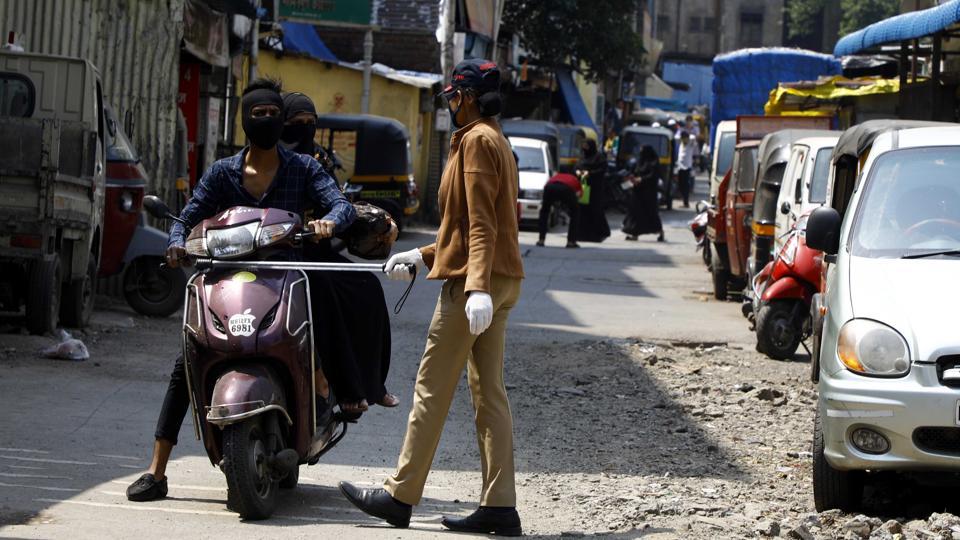
The Pune Municipal Corporation (PMC) sealed all peth areas, including Swargate, Ghorpade peth, Somwar peth, Mangalwar peth, Budhwar peth, Guruwar peth, Shukrawar peth, Shaniwar peth, Raviwar peth, Bhavani peth, Nana peth and areas around the RTO office after maximum number of Covid-19 positive cases were reported from there. Once an area is defined as a containment zone, private vehicle movement will be banned and individuals who step outside their homes must wear masks. The containment, however, excludes vegetable vendors/agriculture-related transport, essentials including grocery and medical, institutional and government vehicles for scheduled period. On Monday, the Pune civic body proposed to district collector Naval Kishore Ram to declare 22 more areas as containment zones. The collector has not taken a call on the proposal yet.
Anand Saraf, a resident of the peth area, said, “Although the vegetable market is closed, many vendors are still selling their stock in the internal lanes, which is helpful for residents.The milk supply is regular, too. There is no need to visit to grocery shops regularly during the lockdown, but if needed, all the necessary items are easily available in our areas.” Sandip Bhosale, a grocery shop owner from Swargate area, said, his stocks are running low. “The main market is closed and supply has been hampered. I have to send customers empty-handed even for items which could have been easily available.”
Another resident, Vishal Dhanwade, who lives in Guruwar peth, said, “There have been no complaints from residents about availability of essential commodities. Though there are barricades on the roads, it is only to restrict vehicular movement. People can walk to their nearby stores and purchase essential commodities, if needed. The area is sealed, so residents prefer to get items from shops adjacent to their homes and do not step out. Also, the public appreciates the government’s move to seal the area to contain the spread of the Sars-Cov-2 virus which causes Covid-19.”
However, Avinash Bagwe, who is a corporator and represents people who live in the slum areas, mainly near Bhavani peth, highlights the plight of the urban poor. He said, “Our area mainly consists of slums. People do not have enough money to procure grocery for a month. They depend on the fair price shops, but since many people do not fall in the below poverty line category, they have not been able to purchase items from the fair price shops. They are daily wage earners and need a source of sustenance during the lockdown.
“Along with the problem of daily meals, residents of slums are also dealing with the woes arising due to increasing daily temperature. Most of the houses are 10x10 rooms made of steel. With the temperature rising, residents cannot stay inside their homes during the daytime and hence, come out to roam on the streets. This causes problems for the police officials who ask them to go back. These residents work as domestic helps and are currently not getting any financial help,” he added.
Navnath Kamble, a slum dweller from Bhavani peth, said, “I am an autorickshaw driver. However, since March my income has been zero and it has become tough to manage my domestic expenses. We do not get grocery from the fair price shops as we do not fall in the below poverty line category and I do not have enough money to buy grocery for at least 15 days. The lockdown is increasing my burden and I am finding it difficult to manage my home.”


