
 E-Paper



By The Way | Gurdas Maan’s ‘Punjab’ a victim of its own times
Fine, he is a legend, a rare singer-lyricist whose work is celebrated as much in the hinterland as it is in the drawing rooms of Chandigarh. No wonder, his new outing, ‘Punjab’, is all the rage across the Punjabi-speaking areas in India and abroad.

 Prefer HTon Google


Fine, he is a legend, a rare singerlyricist whose work is celebrated as much in the hinterland as it is in the drawing rooms of Chandigarh. No wonder, his new outing, ‘Punjab’, is all the rage across the Punjabi-speaking areas in India and abroad. Gurdas Maan does not fail to disappoint the social-folk-pop scene. Playing to the gallery while masquerading as a conscience-keeper, he espouses much the same rhetoric that has become fashionable to peddle as socially relevant music these days.
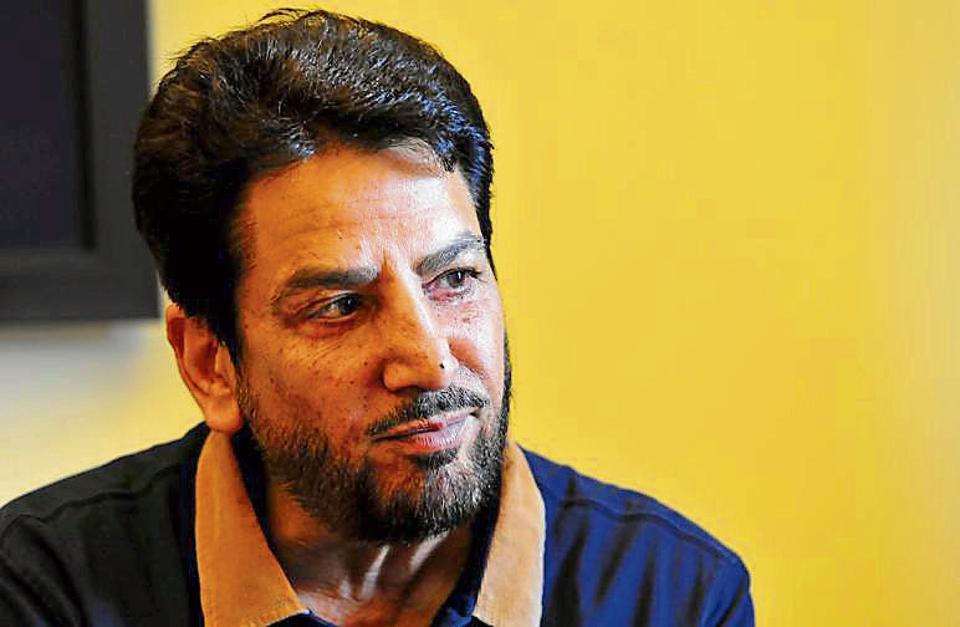
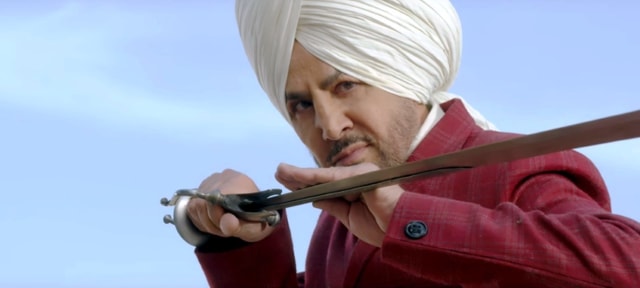
In the music video, Maan plays the personification of Time, who brings Bhagat Singh to the present to show him how his martyrdom is a debt that Punjab is yet to repay. The imagery is so typical that it’s not very hard to imagine even Bhagat Singh cringing at the simplistic narrative that follows. Pardon my imagination, because it can never match the creative licence that lets you show that, even as a 10-yearold child, Bhagat Singh took a rope out to the fields early in the morning to practice his own hanging. Shaheed-e-Azam knew his own future, but not Punjab’s. Maan helps him along.
How horrible is that future in which women take selfies while sitting in an open air café at a mall. On their table, you can even spot some glasses carrying coloured liquid. This shocks Time and, by extension, the child Bhagat Singh who is flying with him to such dark spots where such dark deeds are being done in broad daylight! It’s hard to pinpoint Maan’s problem with these women drinking: Is it that the drink in their glasses does not look like ‘ghar di sharaab’, or home-made liquor, which he sang about so lovingly some years ago; or is that the drinkers are women? Women!
Also Read | Video: Gurdas Maan’s new album, Punjab, exposes the state’s problems
What adds to the shock is a woman walking out of a fancy showroom with shopping bags dangling at her arm. But, I wonder again: what’s the exact problem here? Is it that she’s not buying phulkaris, or is it that she’s a woman? The patriarchy is not new to Maan’s songs. His outing for Coke Studio India may have given the fledgling show a hit after all, but his song of choice there too was his classic panning of modernity as some kind of sin. In that song, he wonders what’s happening to the world — ‘Ki banu duniya da?’ — since women who once used to shepherd buffaloes are now making their men eat at hotels. ‘Sache Patshah Waheguru Jaane,’ he sings: Only God knows!
In his new ‘Punjab’, too, his problems with women do not end. Not only do they take selfies, but they smoke too. So much so that it has dried up their breast milk. They anyway have forgotten how to take care of kids, he sings. The woman in the video is drinking from a wine glass, while her child is popping pills. Daddy is free of such menial responsibilities, of course.
Also read | By the way: ‘Udta Punjab’ is scared of deeper reality
But that’s not all about the video. It’s not blatant about its misogyny. Among the male characters is a guy using dumbbells in a mall while also injecting something in his biceps; and another who throws acid at a group of women. Maan also covers the frequent protests and how an ambulance gets stuck in the jam caused by it. A woman gets off the ambulance to request the protesters to give way, but she is shoved aside by one of the slogan-shouting men. Another protester spits at the base of Bhagat Singh’s statue under which the protest is being held. One wonders, again: who deserves our sympathy more, the patient in the ambulance or the protesters?
Nobody’s doubting Maan’s motivations and intentions, but he avoids nuance. He wants to tell you that Punjab is in the pits because of liquor, drug addiction, the loss of values, and lack of compassion. And he does that with good production values, a memorisable beat, the Bhagat Singh trope, and lyrics that don’t leave much to imagination. Yet, his articulation of what’s wrong with Punjab, and the world, falls into the Honey Singh space.
Maan means well. But legends, too, are creatures of their own times.
(Writer’s email ID: aarish.chhabra@hindustantimes.com || On Twitter, @aarishc)


