
 E-Paper



Crop residue management: Some making hay of the stubble
Whether it’s wheat or paddy, smog engulfs the region at the end of the harvesting. Thanks to the practice of stubble burning, which farmers opt for to get rid of the unwanted plant residue, before preparing the land for the next crop. Most farmers say this is the only viable option with them as managing stubble in a scientific manner using machines is too costly. Still, there are farmers who have realised the seriousness of the ill-effects of stubble burning and are supporting people of their ilk in collecting and supplying the residue to the biomass plants. Better still, this earns them profit too. HT meets two such progressive farmers.

 Prefer HTon Google


Change agents: Whether it’s wheat or paddy, smog engulfs the region at the end of the harvesting. Thanks to the practice of stubble burning, which farmers opt for to get rid of the unwanted plant residue, before preparing the land for the next crop. Most farmers say this is the only viable option with them as managing stubble in a scientific manner using machines is too costly. Still, there are farmers who have realised the seriousness of the ill-effects of stubble burning and are supporting people of their ilk in collecting and supplying the residue to the biomass plants. Better still, this earns them profit too. HT meets two such progressive farmers.
‘Govt help must to motivate farmers’
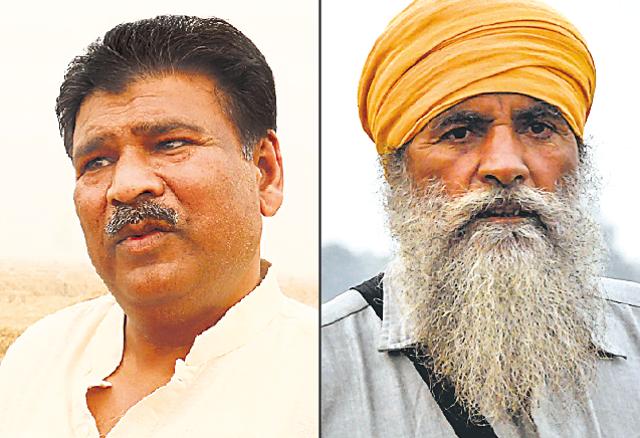
Tirlochan Singh (51) of Chak Duhe Wala village has proved that stubble can be profit-making. He manages the residue in fields of at least five surrounding villages, which the farmers otherwise would have set on fire. Besides doing a service to the humanity, he earns some money from this.
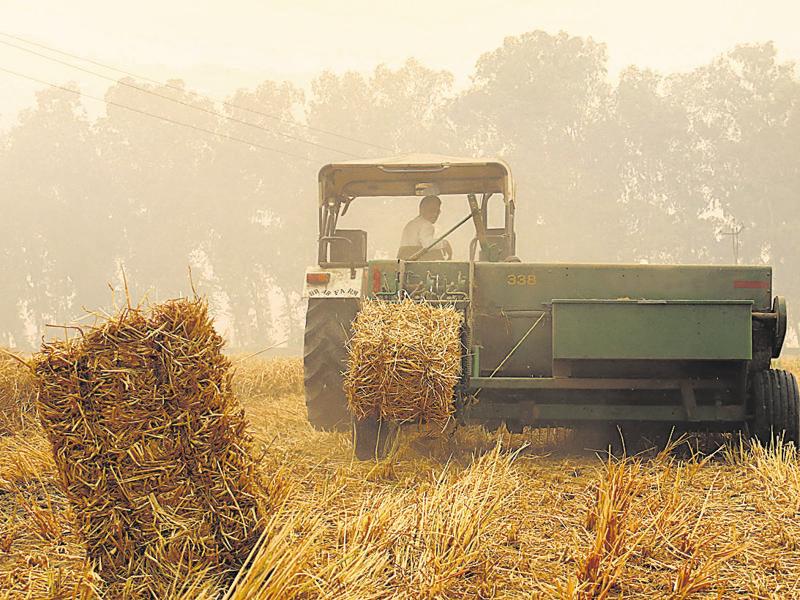
Using balers and other modern machinery, he collects stubble from about 2,000 acres without any government help. The machines to manage stubble cost about ₹15 lakh, which small farmers can’t afford on their own.
“I was first in the region to purchase a baler for ₹12 lakh and a rake machine for ₹2.9 lakh in 2009. I started collecting stubble, making bales and selling them to a nearby biomass power generation plant,” Tirlochan said.
Now, he owns five balers, six rake machines and reapers and more than six tractors, which he gives on rent to other farmers, who now make extra money from stubble. “A farmer can earn up to ₹4,000 from stubble per acre as 25-35 quintal of stubble is produced in an acre. The biomass plants purchases stubble bales at `132 per quintal,” he said.
Besides, managing stubble in his 200 acres owned by him, Tirlochan motivates others against putting the unwanted residue to fire. On stubble burning, Tirlochan says the practice can’t be stopped unless there is government support to the farmers in buying the machines.
“The government stopped giving subsidy on balers and rake machines two years ago. It’s now near impossible even for the well-to-do farmers to purchase these machines. The government must provide subsidy if it wants to stop stubble burning,” he suggests. Earlier, there was subsidy of ₹4 lakh on balers, and ₹1.3 lakh on rake machine.
According to him, more biomass plants are needed so that there is more demand for stubble.
‘More biomass plants will boost demand’
An initiative taken by Jagdev Singh (63) of Sandhwan village three years ago to discourage stubble burning is paying him dividends now. He is making a profit of ₹70 per quintal by selling the residue to biomass plant at Gujjarpur village in Garhshankar.
“I sell stubble for ₹140 per quintal and after excluding labour, transport and machine expenses, I make ₹70 per quintal as profit,” Jagdev tells HT. He is also selling sugarcane residue that fetches him ₹170 per quintal.
Following him, three other farmers of his village followed him. They purchased reaper and baler at 40% subsidy from the government, which was available till two years ago. Together, these farmers manage the residue on 500 acres in area.
“The entire process of collecting stubble and making bales needs a few hours, but farmers want their fields cleared immediately after harvesting. So, they go for the easiest option of burning it,” he says.
He make farmers aware of the ill-effects of burning stubble and guides them how they can make money out of it. Farmers in the area want more biomass plants in their vicinity.
“We are calling tenders for setting up more biomass plants. Soon, there will be demand for most of the residue produced in the state,” said Amarpal Singh, chief executive officer, Punjab energy development authority.
Watch: NASA image on stubble burning in Punjab
Quick facts
₹4,000 Additional income (per acre) for farmers if stubble is sold
25-50% Rise in suspended particulate matter due to stubble burning
736 farmers challaned by PPCB this season
₹30 lakh fine imposed on erring farmers
70 megawatts power generating capacity of seven plants that use stubble
10 lakh tonne stubble consumed by these plants
180 lakh tonne Stubble produced in kharif season
22% Stubble being used, rest is set on fire


