
 E-Paper



Govt should incentivise farmers to deal with stubble burning, says ex-NGT chief
A core group for conservation of ecology, Justice Swatanter Kumar said, will be based in Chandigarh and cover Punjab, Haryana, Himachal Pradesh, Jammu and Kashmir, Rajasthan and Chandigarh.


Justice Swatanter Kumar, a retired Supreme Court judge who remained chairperson of the National Green Tribunal till December last year, was in Chandigarh on Sunday to form a core group for conservation of ecology.
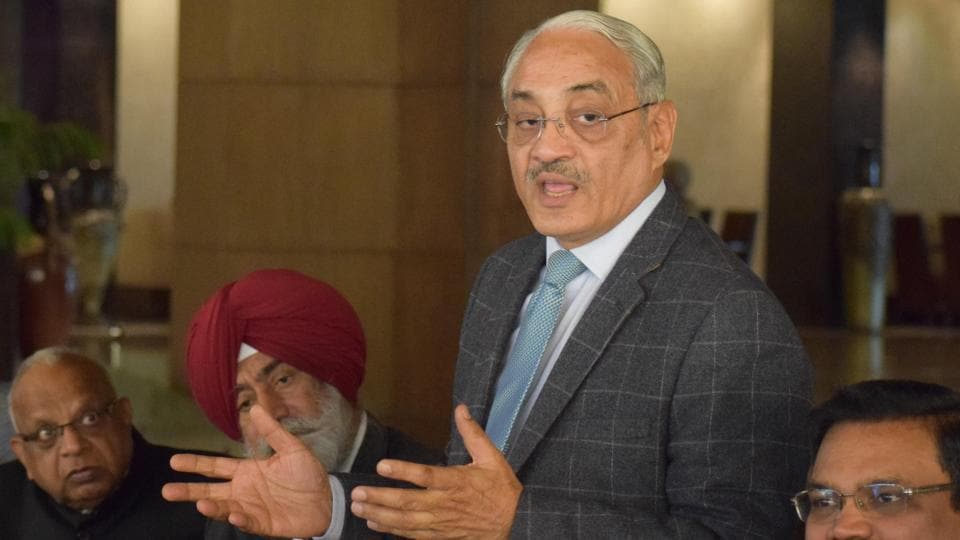
The group, he said, will be based in Chandigarh and cover Punjab, Haryana, Himachal Pradesh, Jammu and Kashmir, Rajasthan and Chandigarh.
Kumar spoke to Hindustan Times.
Q: As head of the National Green Tribunal, you made Punjab and Haryana and its agrarian community realise how much harm burning of crop residue, particularly paddy stubble, was causing to the ecology. Is the change visible?
A: Yes, the change is visible for sure and we have to constantly build pressure to bring it (crop residue burning) to zero level. It is possible.
Q: Do think farmers of the two states understand the problem?
A: They do understand. The only thing is that they need financial support from the government and incentives to find alternative ways to dispose of crop residue.
Q: The governments in the states and at the Centre are blaming each other. What is the way out?
A: The blame game should stop. Money should not be a problem. The governments should raise resources to help the farmers.
Q: What are your plans now?
A: I am planning to hold a two-day conference on environment the schedule of which will be announced soon. The workshop will have six technical sessions and at least 30 speakers will address the key issues. The purpose is not to create an NGO or a body but to bring key issues concerning the ecology for discussion.


