
 E-Paper



Elephant numbers fall in Jharkhand; officials blame anti-Maoist ops, Bengal’s trenches
Jumbo count dropped to 555 from 688 in five years as officials blamed a 6.5-km trench dug by West Bengal government on Jharkhand border for the decline.


Degradation of habitat, anti-Maoist operations and a 6.5-km trench dug by West Bengal government on Jharkhand border have led to a decline in the state’s elephant population, according to forest officials.
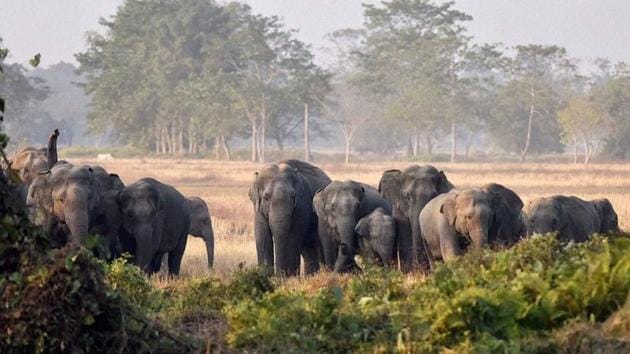
The 2017 elephant census report released by the Jharkhand forest department on Wednesday showed that the jumbo count dropped to 555, which is the lowest since state’s formation in 2000, from 688 in the last elephant census in 2012.
The report indicates a migration of elephants from major sanctuaries, including the Dalma Wildlife Sanctuary (DWS) in Jamshedpur and Palamu Tiger Reserve (PTR).
The DWS recorded only 46 elephants during the three-day census from May 10 while the number was 156 in 2012. Similarly, the PTR has counted 186 jumbos down from 238 in the last census.
Principal chief conservator of forest (PCCF-wildlife) LR Singh blamed rising human disturbance behind the shrinking numbers in sanctuaries.
“The PTR has been disturbed due to anti-Maoist activities, which might have forced the elephants to migrate to Chattisgarh,” Singh said.
However, the jumbo count in PTR has increased from last year’s 160, officials said.
But, the forest department is worried over the drastic decline of the pachyderms in DWS, considered a favourite summer abode of elephants of Odisha and Bengal.
Singh said the 6.5km trench dug by West Bengal forest department along the Jharkhand border in Ghatsila and Chakulia in August has prevented the jumbos from crossing over.
“West Bengal elephants generally migrate to Dalma during summer. They come in February and go back to Bengal in September,” he said.
The jumbo population, however, has increased in Ranchi forest division from 27 in 2012 to 66 now.
The east and west Singbhum divisions of the forest are still jumbos’ favourite destinations where their population was recorded at 234, a slight decline from 244 in last census.
Officials also blamed the degradation of habitats for the decline.
“The scarcity of selected food for elephants like bamboo, kajhi and khair in Jharkhand’s forests have forced the pachyderms to enter villages, causing man-elephant conflict and crop damage,” state wildlife board member DS Srivastava said.


