
 E-Paper



Ranchi joins electric car revolution
Chief minister Raghubar Das handed over the ceremonial keys to the JBVNL officials and flagged off the service from state secretariat.


Jharkhand heralded a new beginning on Wednesday with the launch of electric cars in Ranchi marking e-mobility in the state.
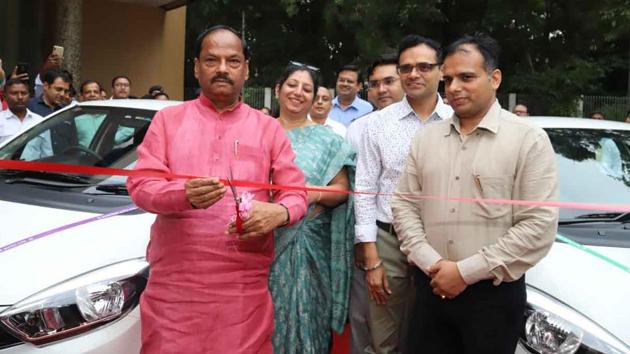
Twenty electric vehicles hit the capital’s roads following an MoU signed between the Jharkhand Bijli Vitran Nigam Limited (JBVNL) and Energy Efficiency Services Limited (EESL) to deploy electric vehicles in various JBVNL offices. Thirty more electric cars will be on roads in two weeks.
Chief minister Raghubar Das handed over the ceremonial keys to the JBVNL officials and flagged off the service from state secretariat.
With the launch, the state began its transition towards a reduced carbon footprint and a more sustainable greener and cleaner future. It also ushered Jharkhand’s participation in e-mobility goal of 30% fleet electrification by 2030.
The cars will ferry the JBVNL officers and in all, 12 charging stations have been set up in various JBVNL offices.
The conventional petrol cars cost ₹5 to cover one kilometer (km) while the electric cars will cost only 80 paisa per km, said Madan Bedia of EESL who installed the charging stations in Ranchi. When fully charged, the vehicle can cover 130km distance, he added.
Addressing the gathering, the chief minister said e-mobility is attractive, cheap, clean and sustainable solution. The launch will generate further awareness, he said.
EESL managing director Saurabh Kumar said the company feels proud of supporting the Centre’s initiative and help in cutting down the pollution level.
He said with the 50 electric cars on roads, the JBVNL will save over 1.20 lakh litres of fuel every year and will also cut down 1400 tonnes of carbon dioxide.


