E-Paper



Bengaluru real estate: Homebuyers get relief as KRERA orders BDA to finish a project, pay compensation
Karnataka RERA has pulled up Bangalore Development Authority over delays and non-completion of housing projects, providing relief to homebuyers

 Prefer HTon Google


In a boost for homebuyers, KRERA has passed key orders against the Bangalore Development Authority (BDA), directing it to complete the long-delayed Nadaprabhu Kempegowda Layout (NPKL) with full infrastructure within two months and to pay ₹22.4 lakh in interest compensation to an allottee for the delays. In a separate case, the authority also held that BDA qualifies as a ‘promoter’ under RERA, thereby subjecting it to the same compliance standards as private developers.
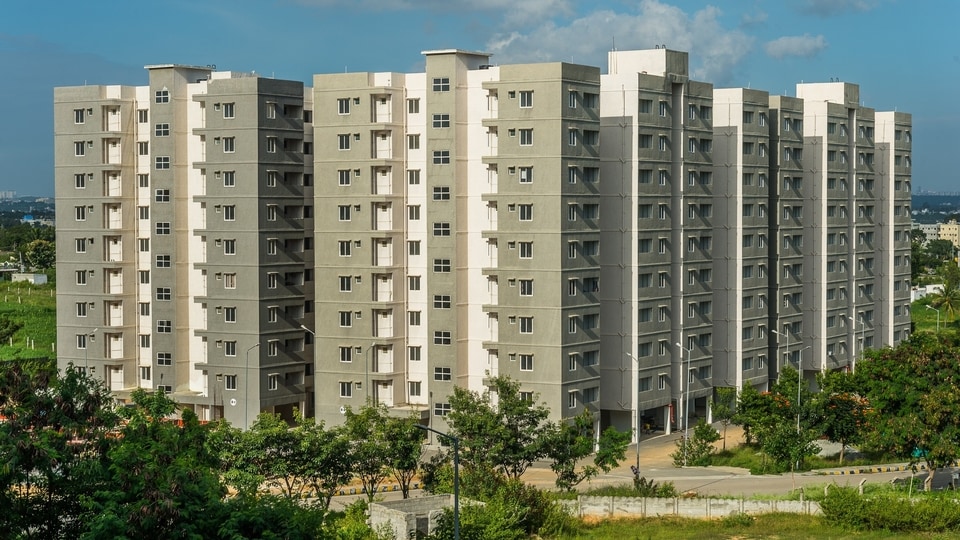
This comes at a time when affordable housing supply in Bengaluru has steadily shrunk, with rising land and construction costs pushing developers toward mid- and premium-segment projects, leaving budget homebuyers with limited options.
In one case, KRERA directed BDA to complete the long-delayed Nadaprabhu Kempegowda Layout (NPKL) and hand over fully serviced plots within two months, ensuring provision of essential infrastructure such as water and electricity connections, drainage systems, roads, and street lighting. The authority also ordered BDA to pay ₹22.4 lakh as interest compensation to the allottee, citing prolonged delays.
The complainant, a Jayanagar-based buyer, had purchased a site in Sector B of the layout, with allotment dating back to October 2018 and full payment completed by February 2019. While a lease-cum-sale deed and possession certificate were issued in 2020, KRERA noted that the plot still lacked basic civic amenities, rendering it unfit for use or construction.
The regulator held that mere physical possession without the requisite core infrastructure does not meet the legal obligations under RERA. The authority also ordered BDA to pay delayed interest compensation for the period from 2018 to 2025. It further said additional interest would continue until the pending infrastructure is completed.
Tribunal upholds BDA as ‘promoter’ under RERA
In another order, the KRERA tribunal dismissed an appeal filed by BDA and upheld an earlier KRERA order classifying the authority as a ‘promoter’ under RERA. The tribunal ruled that since BDA develops and sells plots to the public, it falls squarely within the definition of a promoter and must adhere to the same compliance standards as private developers.
BDA had argued that it operates under a separate statutory framework and should be exempt from RERA provisions. However, the tribunal rejected this contention, stating that the Act’s definition of promoter explicitly includes development authorities and public bodies engaged in real estate development for sale.
The KRERA tribunal rejected BDA's arguments, observing that the definition of “promoter” under the RERA Act includes development authorities and public bodies that construct buildings or develop plots for sale.
“We are of the considered view that the definition of promoter in RERA Act is an inclusive definition and explicitly includes the Development Authority, and other Public bodies in respect of plots as well as apartments developed by such Authority or body on lands owned by them, or placed at their disposal by the Government, for the purpose of selling all or some of the apartments or plots to the Allottees,” the order had said.
The definition applies uniformly to all developers, whether in the private or public sector, with the objective of ensuring accountability and improving transparency across the real estate sector, it said.
“However, insofar as the applicability of RERA enactment is concerned, BDA is equally required to follow all the Rules and Regulations with respect to issues such as registration of all projects with RERA under Section 3 of RERA Act, functions and duties of the Promoter under Section 11 (2), 18 of RERA Act,” KREAT said.
A list of questions has been sent to BDA. The story will be updated once a response is received.
The RERA Act, 2016, came into force on May 1, 2017, marking a decade in 2026. The law was introduced to improve transparency, accountability, and efficiency in the real estate sector, which had long been affected by project delays, opaque practices, and frequent disputes between developers and homebuyers.