
 E-Paper



Festive demand pushes Mumbai property registrations up 32%, market defies Shradh lull; stamp duty collections rise 47%
Mumbai real estate: September registrations rose 32% YoY, aided by an early end to Shradh and Navratri 2025 starting within the month, boosting buyer activity

 Prefer HTon Google


Mumbai’s real estate market defied the traditional slowdown during the Shradha or Pitrupaksha fortnight to post its best-ever September performance. Property registrations in the Mumbai municipal region rose 32% year-on-year to 12,070 units, while stamp duty collections surged 47% to ₹1,292 crore, according to an analysis by Knight Frank India.
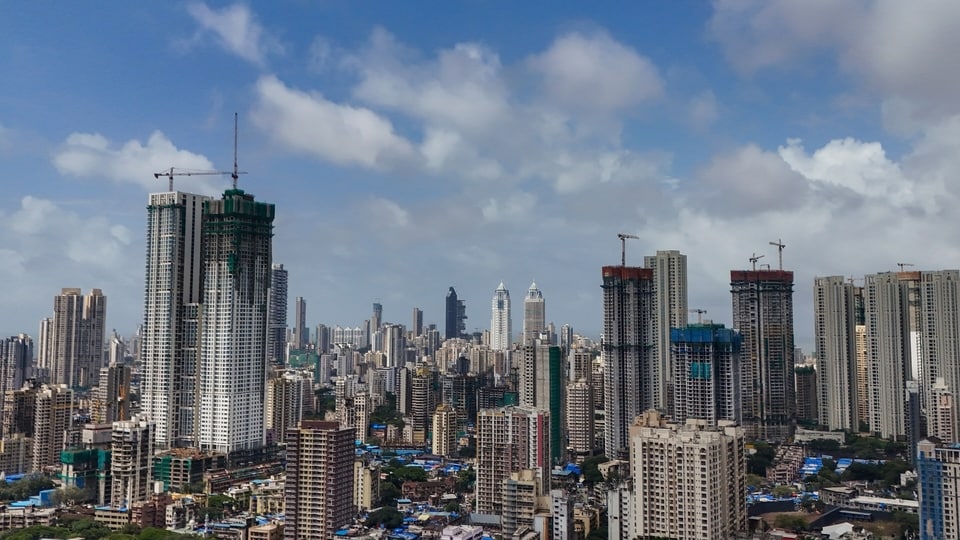
Mumbai city (area under BMC jurisdiction) recorded 12,070 property registrations in September against 9,111 units in the same month last year, marking a 32% YoY (year-on-year) increase, it said, pointing out that stamp duty collections touched ₹1,292 crore, up 47% YoY.
The rise in registrations was due to the shifting festive calendar. Last year, property activity was subdued during the inauspicious Shraddh period (September 17–October 2, 2024), whereas this year it fell earlier (September 7–21, 2025). This effect was offset by Navratri, which began on September 22 and continues through October 2, 2025, unlike last year when it was observed later (October 3 to 12, 2024), the analysis showed.
On a month-on-month (MoM) basis property registrations increased by 7% and stamp duty collections rose by 29%. The market continues to be driven by residential demand, with 80% of all registrations in the month attributed to residential properties, it said.
The data pertains to registration of properties transacted in both primary (first sale) and secondary (resale) markets. The market continues to be driven by residential demand, with 80% of all registrations in the month attributed to residential properties, the consultant noted.
Mumbai recorded over 111,939 property registrations in the first nine months of 2025, contributing more than ₹11,141 crores to the state exchequer during this period. Property registrations observed a 6% year-on-year (YoY) growth while revenue grew by 26% YoY during the same period. Sustained buyer confidence has fueled consistent sales, driven by the city's property registration growth.
“Mumbai’s housing market has maintained a steady growth trajectory in 2025. The 32% YoY rise in September registrations was influenced by the shift in the festive calendar, with the Shraddh period ending earlier and Navratri beginning within the month, which supported buyer activity. Revenue collections crossed ₹1,292 crore, the second highest this year, reflecting robust growth of 47% YoY and 29% sequentially. Activity levels remain healthy at sustainable volumes, signalling both maturity and enduring confidence in the city’s real estate market,” said Shishir Baijal, chairman and managing director, Knight Frank India.
Home priced above ₹5 crore accounted for 7% of total registrations in September
Registration momentum in Mumbai continues to tilt toward the higher price brackets. Homes priced above ₹5 crore accounted for 7% of total registrations in September 2025, up from 5% a year earlier, reflecting demand in the luxury segment. Meanwhile, the less than ₹1 crore range saw its share decline as affordability challenges weighed on buyer sentiment in this bracket. The 2–5 crore range remained stable, while the share of properties worth ₹1 to 2 crores increased from 32% in 2024 to 33% in 2025.
Properties up to 1,000 sq ft continue to lead in registrations
Units up to 1,000 sq ft contributed 81% of all registrations, slightly higher than last year. The 500– 1,000 sq ft segment was the most preferred, striking a balance between affordability and usable space for end-users. Larger homes retained a niche buyer base, with 1,000–2,000 sq ft units edging up to 14% and apartments above 2,000 sq ft rose to 5%, the consultant said.
Western Suburb and Central Suburb account for 86% of the total market share
The suburban markets continued to anchor activity. Western and Central Suburbs accounted for 88% 88% of the total registrations in September 2025. The Western Suburbs led with 59%, while the Central Suburbs contributed 29%. In contrast, South Mumbai held at 8%, and Central Mumbai slipped to 5%, Knight Frank’s analysis showed.


