E-Paper



Mumbai tops warehousing absorption at 4.7 mn sq ft in Q1 2026; demand dips 14% YoY
Mumbai led Q1 warehousing leasing as India absorption fell 14% YoY; Vestian said annual absorption is likely to cross 45 mn sq ft in 2026.

 Prefer HTon Google


Mumbai topped warehousing absorption in the January-March quarter among the top seven cities, with 4.76 million sq ft, accounting for 42% of total demand across the top seven cities. However, its leasing activity dipped 14% from 5.56 million sq ft in the same period last year, according to a report by Vestian.
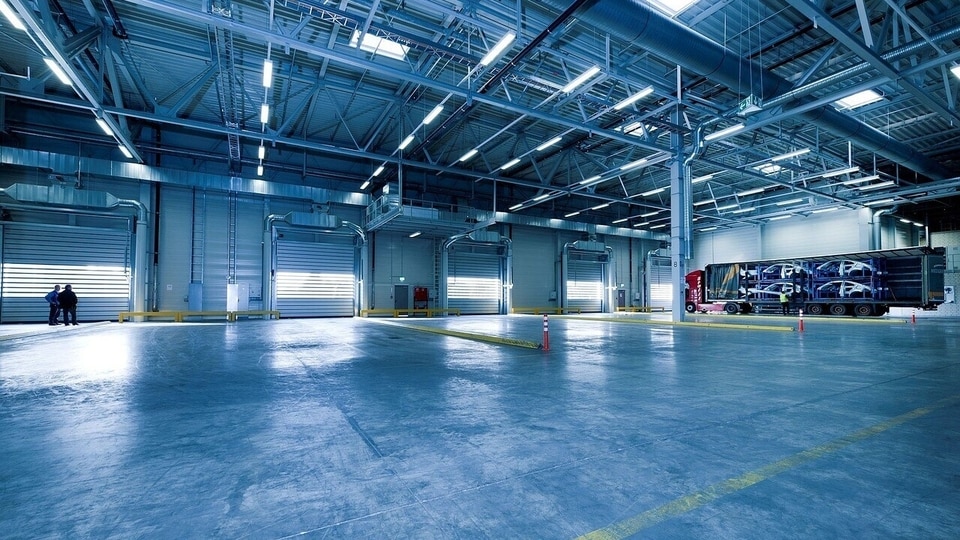
The warehousing segment recorded total absorption of 11.4 million sq ft in Q1 2026, down by 14% from 13.3 million sq ft in the same quarter last year, the report said. While absorption declined by 14% year-on-year, leasing activity remained robust, led by 3PL, engineering & manufacturing, and consumer goods occupiers, it said.
Pune emerged as the second-largest market with 4.46 million sq ft of absorption, registering a sharp 162% rise quarter-on-quarter and 42% growth year-on-year, signalling a strong revival after muted activity in previous quarters.
“Mumbai and Pune together contributed 81% of the total leasing activity, underscoring the continued dominance of established western industrial and logistics hubs in driving demand. The sustained quarterly recovery indicates that the moderation witnessed in 2025 was a phase of strategic recalibration rather than a structural slowdown in demand,” the report said.
Hyderabad absorbed 0.69 million sq ft during the quarter, down 17% quarterly but up 50% annually.
In contrast, NCR recorded 0.73 million sq ft of absorption, falling 61% from the previous quarter and 57% year-on-year, indicating weaker leasing momentum.
Chennai posted 0.59 million sq ft, declining 50% quarter-on-quarter and 34% annually after stronger demand in earlier quarters.
Bengaluru recorded 0.17 million sq ft of absorption. While this marked a 566% jump from the previous quarter, it was still down 87% compared with a year ago.
Kolkata saw the weakest activity among the major markets, with absorption slipping to 0.01 million sq ft.
Warehousing absorption to cross 45 million sq ft by the end of 2026
Shrinivas Rao, CEO of Vestian, said the warehousing segment has begun 2026 with renewed momentum as occupiers resume expansion plans following a consolidation phase last year.
“The warehousing and logistics sector has begun 2026 with renewed momentum, as occupiers resume expansion plans following a period of consolidation in 2025. Sequential growth in absorption reflects strong underlying market fundamentals, supported by rising manufacturing activity, infrastructure development, and resilient domestic consumption. While annual comparisons remain impacted by last year’s high base, the sector remains well positioned for sustained growth in the coming quarters,” he said.
Looking ahead, Vestian said that a growing emphasis on supply chain resilience, rising demand for modern Grade-A facilities, and continued expansion into emerging Tier-I and Tier-II logistics hubs are expected to drive the next phase of growth in 2026.
“Occupiers are likely to prioritise network efficiency, faster delivery capabilities, and technology-enabled warehousing solutions, creating fresh demand across strategic corridors. The warehousing and logistics sector is anticipated to witness annual absorption exceeding 45 million sq ft by the end of 2026, reflecting sustained demand in the sector,” the report said.