E-Paper



Mumbai real estate market: Should you buy an apartment on leasehold or freehold land? Netizens weigh in
As Mumbai’s luxury real estate market expands, many flats on leasehold land have sparked a debate over the risks and benefits of leasehold vs freehold ownership

 Prefer HTon Google


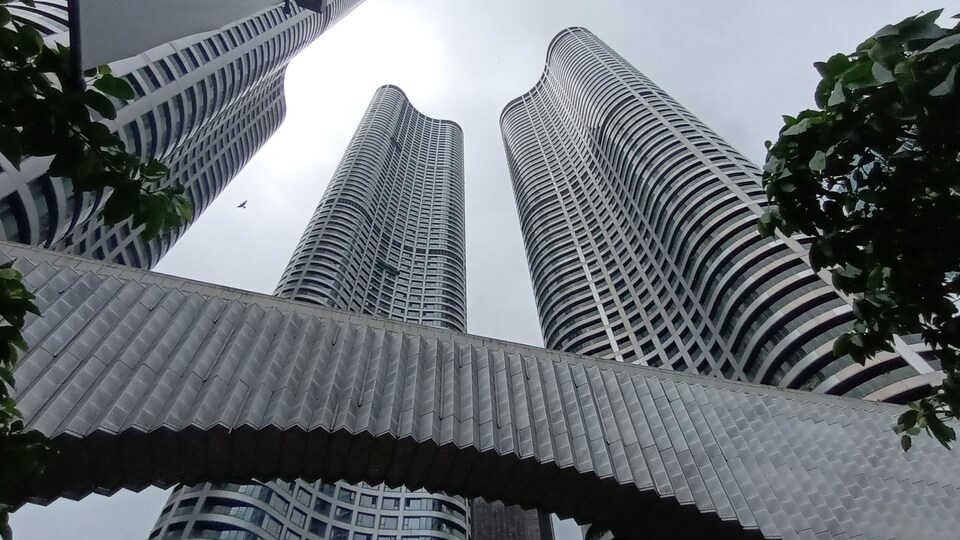
Mumbai’s luxury real estate market often features apartments built on leasehold land rather than freehold, raising concerns among homebuyers about which option is better.
Freehold vs leasehold: What’s better?
A growing number of netizens are debating the pros and cons of freehold versus leasehold properties, especially as many premium and luxury apartments in Mumbai are built on leasehold land.
One Reddit user recently highlighted this trend, posting, "I have been seeing a lot of premium residential towers in Mumbai (priced ₹5 crore and upwards) that are actually constructed on leased land, not freehold. It is surprising how many people are buying into these projects, knowing that the land is not permanently owned."
The user raised critical questions. "What happens after the lease period (usually 30, 60, or 99 years) ends? Do the residents have to vacate? Will the land go back to the original lessor or there is an option to renew the lease by paying a hefty premium and who will pay that amount?"
He also expressed concern over whether homebuyers fully understand the risks and whether property values decline as the lease nears expiry.
What is leasehold land?
In a leasehold arrangement, buyers own their apartments, but the land itself remains under lease. This means the housing society does not receive outright ownership of the land through a conveyance deed.
In Mumbai, leasehold land is commonly controlled by government agencies such as the Maharashtra Housing and Area Development Authority (MHADA), City and Industrial Development Corporation (CIDCO), and Mumbai Metropolitan Region Development Authority (MMRDA), or by private entities such as family trusts.
What is freehold land?
In a freehold land model, the developer permanently transfers ownership of the land to the housing society. The conveyance deed is executed in the society's name, giving it complete ownership rights over the land.
This is what legal experts have to say
According to legal experts, homebuyers should study the lease deed signed between the landlord and developer before deciding to purchase an apartment in a housing society built on leasehold land.
“There are several factors homebuyers should consider before purchasing an apartment on freehold or leasehold land. In the case of leasehold properties, experts recommend obtaining a legal opinion on the lease deed signed between the developer and the landowner to ensure it is watertight. If the deed lacks clarity or strong legal safeguards, there’s a risk the landowner could seek a vacate order once the lease period ends. A thorough review of the lease agreement is essential to avoid future complications,” said Nilesh Gala, an advocate based in Mumbai.
“The lease deed should also include clauses outlining what happens after the lease period ends. It should clearly state the lease renewal premium, how much it will be, and who is responsible for paying it, whether it's the individual flat owners, the housing society, or an incoming developer in case of redevelopment,” said Gala.
“Homebuyers should make informed decisions based on these details. I also believe MahaRERA should introduce a standard format for lease deeds and conveyance deeds, similar to the model agreement for sale, to ensure uniformity and clarity," he said.
Real estate advertisements should also have a mention about whether the project is being constructed on lease hold or free hold land, Gala added.