
 E-Paper



Fortis nutritionist suggests ‘consuming 1 tablespoon of pumpkin seeds a day,’ says ‘it is better for heart health’
‘Eating just one tablespoon of pumpkin seeds daily can help improve heart health, ’ Fortis nutritionist recommends this for better well-being.

 Prefer HTon Google


Want to learn more about pumpkin seeds? Pumpkin seeds, also known as pepitas, are recognised for being a rich source of nutrients that support and preserve good heart health. They are high in magnesium, zinc, antioxidants, and healthy fats, all of which are vital for maintaining heart health.
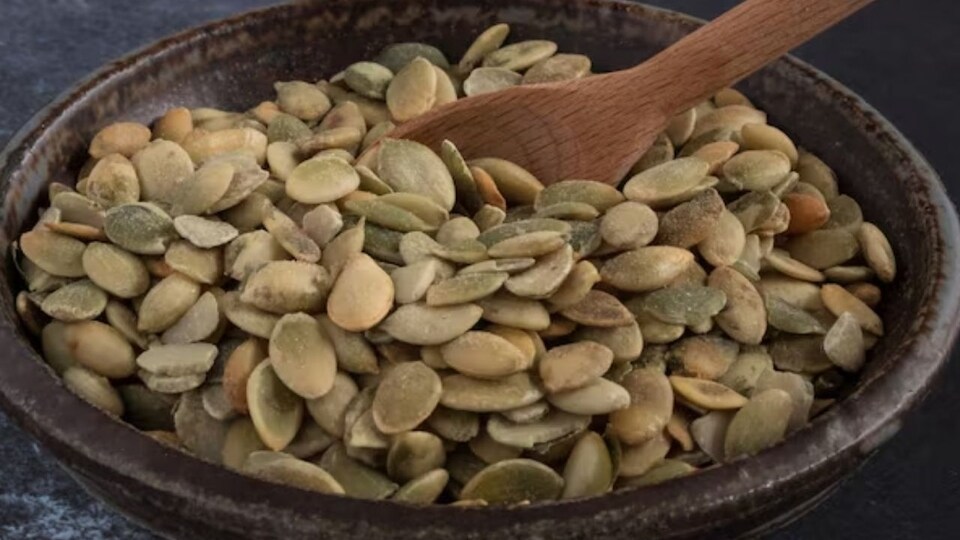
“Magnesium helps in maintaining blood pressure and a regular heartbeat, while zinc supports healthy cholesterol levels and strengthens the immune system. Antioxidants and unsaturated fats in the seeds help lower inflammation and protect the blood vessels from damage, lowering the risk of heart disease. Each of these nutrients plays a vital role in maintaining heart health”, Dr Bharathi Kumar, nutritionist at Fortis Hospital, Nagarbhavi, Bengaluru, tells Health Shots.
Is pumpkin seed good for heart health?
Dr Archana Batra, a dietitian and certified diabetes educator, explains that pumpkin seeds are more than just a common topping for oats or smoothies; they provide a significant boost for heart health.
- Reduce bad cholesterol: The mix of fibre, phytosterols, and healthy fats helps lower LDL cholesterol.
- Regulate blood pressure: Magnesium and potassium work together to relax blood vessels and reduce hypertension.
- Improve endothelial function: Antioxidants help prevent oxidative damage to the inner lining of arteries, improving overall blood flow.
- Anti-inflammatory effect: Chronic inflammation is a hidden driver of heart disease, and pumpkin seed oil has shown inflammation-lowering properties in animal studies and small human trials.
- Balance blood sugar: Stable blood sugar reduces strain on the heart, and the protein-fibre-fat trio in pumpkin seeds supports this balance.
Think of pumpkin seeds as the “quiet achievers” of heart health, subtle in presence, strong in effect.
How to add pumpkin seeds to the daily diet?
One tablespoon may not seem like enough to some, but it's excellent for bringing consistency. Pumpkin seeds can be added to:
- Smoothie bowls
- Salads
- Oatmeal or cereal
- Homemade energy bars
- Yogurt
- Snacks or trail mix
Note: You can enjoy it in both raw and roasted forms, as each has its own benefits.
Is it safe to consume pumpkin seeds every day?
Dr Kumar explains that “while pumpkin seeds are highly nutritious, they should be consumed in moderation. If you drink a lot of sodium, you should avoid salted pumpkin seeds because their sodium content raises your blood pressure. If you have digestive issues or are following a calorie-restricted diet, keep in mind that seeds can add a significant amount of calories to your diet. People with nut or seed allergies should consult with a doctor before incorporating these foods into their diet.”
Who should avoid overconsumption?
Although it's completely safe and beneficial, moderation is key for those who have allergies or restrictions:
- Those on calorie-restricted diets: Pumpkin seeds are rich in calories; consuming them in excess can contribute to weight gain.
- People with digestive issues: Consuming large amounts of fibre and fat content can cause bloating in the stomach.
- Individuals with zinc or magnesium supplements: Overlapping intake can lead to an increase in mineral levels over time.
- Those with nut or seed allergies: Though rare, pumpkin seed allergies can occur; always check for reactions.
- People with low blood pressure or those taking blood thinners: Magnesium and omega-3 fatty acids can lower blood pressure or affect blood clotting, so it is essential to be aware of the dosage.
(Note to readers: This article is for informational purposes only and not a substitute for professional medical advice. Always seek the advice of your doctor with any questions about a medical condition.)


