
 E-Paper



Woman receives 3-D printed ear implant made from her own cells
The new ear was transplanted earlier in March and is shaped precisely like the patient’s other ear. “The new year will continue to regenerate cartilage tissue, giving it the look and feel of a natural ear,” the officials were quoted as saying.

 Prefer HTon Google


Marking a stunning advance in the field of tissue engineering, a 20-year-old woman - born with a small and misshapen right ear - received a 3-D printed ear implant made from her own cells on Thursday, The New York Times reported. This transplant is said to be the first known example of a 3-D printed implant made of living tissues.
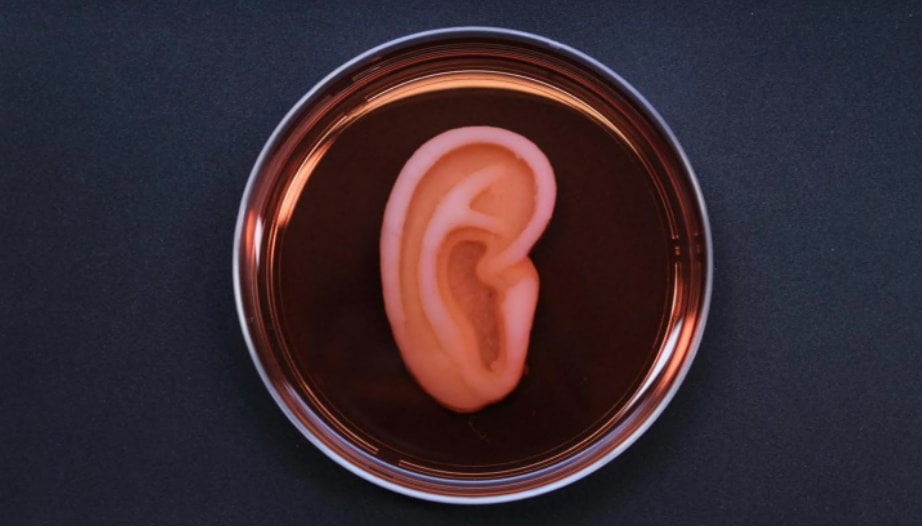
The new ear was transplanted earlier in March and is shaped precisely like the patient’s other ear, NYT reported citing regenerative medicine company 3DBio Therapeutics. “The new year will continue to regenerate cartilage tissue, giving it the look and feel of a natural ear,” the company was quoted as saying.
The company has not revealed any technical details of the transplant yet. While the chances that the transplants could fail or bring unanticipated health complications do exist, the possibility of the new ear being rejected by the body is highly unlikely since the ear is made from the patients’ own tissues, officials involved in the transplant explained.
3-D printing is a manufacturing process that creates a solid, three-dimensional object from a digital model. It involves a computer-controlled printer that deposits material in thin layers creating the precise shape of the object. The 3-D printing technology has been in use by the pharmaceutical industry for several years now.
So far, its use has been majorly confined to producing custom-fit prosthetic limbs that are usually made of plastic and lightweight metals. However the ear implant - made from a tiny glob of cells harvested from the woman’s misshapen ear - is said to be a game changer as per experts in the field. The success of this transplant would mean that 3-D printing could even produce far more complex vital organs, like livers, kidneys and pancreases.


