
 E-Paper



Apple plans to replace 'Hey Siri' with silent facial commands: What it means for you
Apple may soon let users control devices without speaking, as new technology aims to read lip movements and facial signals silently.

 Prefer HTon Google


Apple may soon allow users to control their devices without speaking. Reports from international media outlets state that the company has acquired Israeli startup Q.ai in a deal valued at about $2 billion. This marks Apple’s largest acquisition since it purchased Beats Electronics.

Q.ai develops machine learning systems that study small facial movements. Its technology examines lip motion, skin shifts, and minor muscle activity to identify silently spoken words. The system can also detect facial expressions and track physical signals such as heart rate and breathing patterns.
Also read: Apple could launch its most affordable MacBook in 2026 at Rs…: Here’s what to expect
How the Technology Could Work
Analyst Ming-Chi Kuo has earlier suggested that Apple could introduce camera-equipped AirPods in 2026. These earbuds may include infrared sensors similar to the depth-mapping system used in Face ID. If Apple combines this hardware with Q.ai’s software, users could send messages, control music, or activate Siri by silently moving their lips.
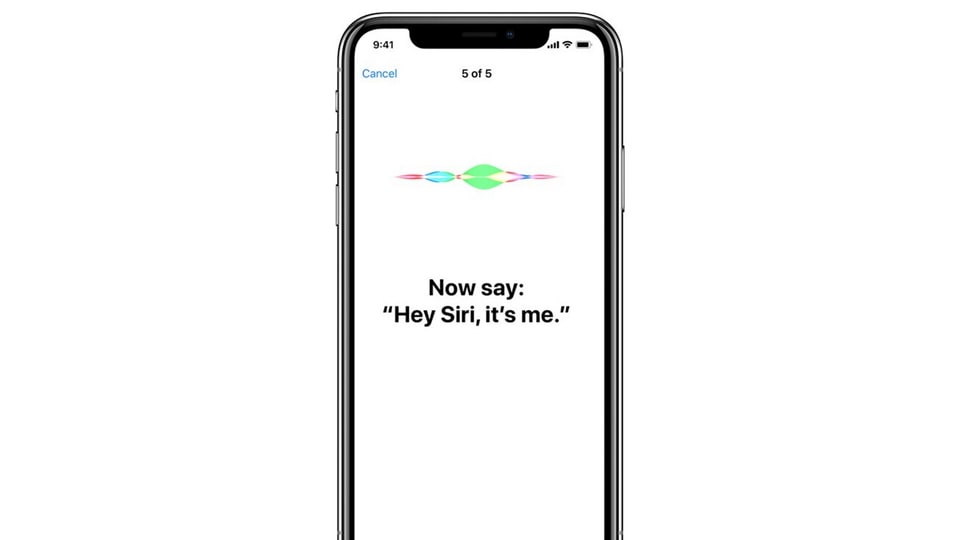
The system would rely on sensors to capture facial data and convert it into digital commands. Instead of using voice prompts such as “Hey Siri,” users may interact with devices through silent facial input. This approach could help in situations where speaking aloud is not possible or practical.
Also read: Google Pixel 9a gets ₹10,000 price cut in India ahead of Pixel 10a launch - Details
Expansion to Other Devices
Apple may also extend this technology to other products, including Vision Pro and future smart glasses. Q.ai founder Aviad Maizels previously co-founded PrimeSense, the company behind 3D sensing technology that later contributed to the development of Face ID. This background suggests Apple may integrate facial sensing tools across multiple devices.
Also read: Samsung Galaxy S26, S26+ and S26 Ultra to launch in India on February 25 - All details
Privacy and Data Concerns
The move toward silent facial tracking raises privacy issues. Continuous monitoring of lip and muscle activity could create detailed biometric records. If companies store or handle such data without safeguards, it could reveal personal information, including emotional states or health signals.
Critics also warn about risks such as unauthorised tracking or misuse of intent detection systems. As wearable devices gain the ability to observe more physical signals, the debate over data protection and user consent may intensify.
If Apple moves forward with this plan, it could change how people interact with technology, while also prompting fresh discussions about privacy and biometric data use.


