E-Paper



Buying a smartwatch sounds simple until you start noticing these things
Modern smartwatches look packed with health and fitness features, but many of those claims feel very different during real-world usage.

 Prefer HTon Google


Our Picks
FAQs
Our Picks
| Product | Rating | Price |
|---|---|---|
Samsung Galaxy Watch6 Classic (Smartchoice) (Black, 47mm) | Rotating Bezel | LTE | Monitor BP and ECG | Track Sleep and Health | Upto 40hrs Charge with Fast Charging | Galaxy Ecosystem | IP68View Details  | ₹16,999 | |
 | ||
Noise Endeavour Pro (Smartchoice) Outdoor Rugged Military Smart Watch, Dual-Band GPS, 164ft Water Resistance, 28 Days Battery on Standby, AI Companion, for iOS & Android (Driftstone Beige)View Details | ||
| ||
Amazfit GTR 3 Pro (Smartchoice) 46mm Smart Watch with BT Phone Calls, BP Monitoring, 1.45”AMOLED Display, 24/7 HR Tracking, Alexa, GPS, WiFi, 12-Day Battery Life,150 Sports Modes(Infinite Black)View Details | ||
| ||
Huawei Watch GT 5 41mm Smartwatch, Up to 7 Days Battery Life, iOS & Android Compatible,Built in Maps, Pro-Level Sports Call&Message Reply (Black)View Details | ₹13,999 | |
| ||
Amazfit Active 2 Premium (Smartchoice) 44mm Smart Watch, Sapphire Glass Display, Free Silicon Strap, Built in GPS, 10day Battery, 5ATM, iOS & Android, 2000 Nits, 160+ Sports Mode, Black LeatherView Details | ₹11,999 | |
| ||

Research-Backed Choices
Every product we recommend is chosen through a combination of Primary Research and Secondary Research.
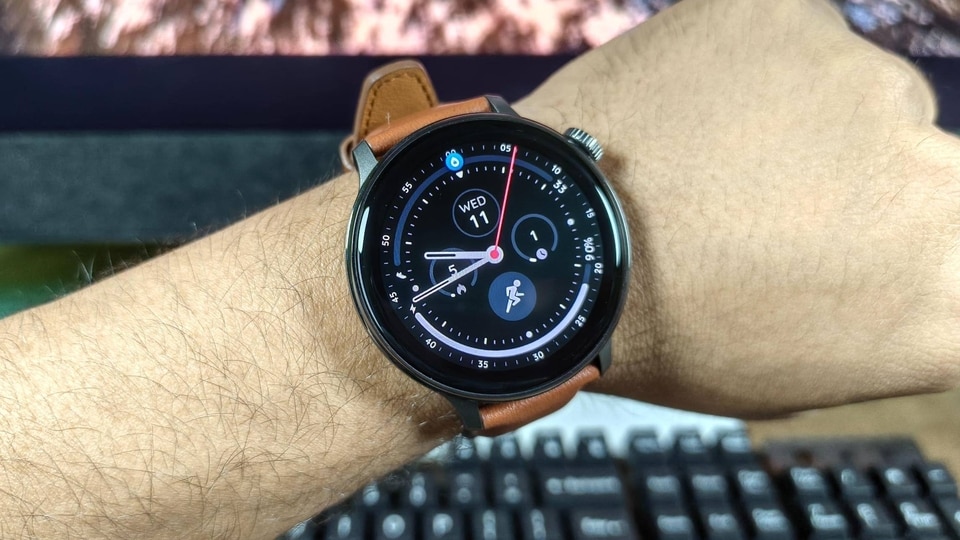

Smartwatches have quietly become one of those gadgets people buy expecting a dramatic lifestyle upgrade. The ads make them look futuristic, fitness-focused, and incredibly useful. And to be fair, they can be all of those things. But after using different smartwatches over the years, I have realised there are quite a few things people only discover after wearing one daily. And interestingly, most of these things are never mentioned properly in flashy launch events or quick YouTube reviews.
Smartwatch expectations vs reality
| Expectation | What Actually Happens |
|---|---|
| You will use every feature daily | Most people regularly use only notifications, fitness tracking, and alarms |
| Battery lasts for weeks | Heavy usage usually reduces battery life quite noticeably |
| Health data is perfectly accurate | Most readings work better as estimates and trends |
| More features always mean better experience | Software smoothness matters more in daily usage |
| A smartwatch reduces phone usage | Constant wrist notifications can sometimes feel distracting |
| Premium design guarantees comfort | Weight, strap quality, and thickness matter more than expected |
The excitement usually peaks in the first few weeks
One of the first things no one tells you is that you will probably stop using half the features after a few weeks. In the beginning, you check your heart rate constantly, measure sleep every night, track stress levels, count steps, and try every workout mode available. But eventually, most users settle into using only three or four core features regularly. Usually that becomes notifications, fitness tracking, alarms, and maybe Bluetooth calling.
Software matters more than fancy specs
Another thing people do not realise is how much smartwatch experience depends on the software rather than the hardware. Two watches may look almost identical on paper, but daily usage can feel completely different. Some watches feel smooth and responsive while others become frustrating because of laggy animations, delayed notifications, or unreliable app syncing. This is something spec sheets rarely tell you clearly.
Fitness tracking is helpful, but not perfect
Then there is the fitness tracking accuracy conversation. Most people assume expensive smartwatches automatically deliver medical-grade accuracy. That is not really true. Smartwatches are useful for trends and estimates, but numbers can still vary depending on how you wear the watch, your skin type, movement, or workout intensity. Step counts, calories burned, stress monitoring, and even sleep tracking are not always perfectly accurate.
Comfort becomes more important than looks
Comfort is another underrated factor that nobody talks about enough. A smartwatch may look premium online, but wearing it all day is a completely different experience. Some watches feel heavy during sleep tracking. Others become uncomfortable during workouts because of thick cases or poor-quality straps. Even the best-looking smartwatch can quickly feel irritating if it is not comfortable enough for long-term wear.
Smartwatches age faster than traditional watches
There is also an awkward truth about smartwatch upgrades. Unlike traditional watches that can last for years without feeling outdated, smartwatches age surprisingly fast. Software support slows down, new health features arrive on newer models, and performance differences become noticeable much earlier than expected. A smartwatch bought today can start feeling old in just two or three years.
So, are smartwatches actually worth buying?
And maybe that is the most important thing nobody tells you about smartwatches. They are not magical gadgets that suddenly transform productivity or fitness overnight. Instead, they improve convenience in small ways throughout the day. The experience is less about dramatic innovation and more about tiny practical improvements you start appreciating over time.
So if you are planning to buy a smartwatch, it probably makes more sense to focus on comfort, software reliability, battery life, and daily usability instead of chasing the longest feature list. Because in real-world usage, those practical details matter far more than flashy marketing claims.
The research and expertise
I have been covering smartwatches and wearable technology for years, regularly comparing models across different price ranges and categories. From fitness-focused wearables to feature-rich smartwatches for everyday use, I have explored devices designed for health tracking, calling, and productivity.
For this buying guide, I compared smartwatches based on features, display quality, battery life, comfort, software experience, and value for money. I also checked customer reviews on Amazon to understand real-world performance before shortlisting these smartwatches for buyers.
Similar articles for you
Best branded smartwatches under 5000 with BT calling, sports modes, Fitness tracking and more
NoiseFit Endeavour Pro review: Budget rugged smartwatch that outshines its price
Disclaimer: At Hindustan Times, we help you stay up-to-date with the latest trends and products. Hindustan Times has an affiliate partnership, so we may get a part of the revenue when you make a purchase. We shall not be liable for any claim under applicable laws, including but not limited to the Consumer Protection Act, 2019, with respect to the products. The products listed in this article are in no particular order of priority.