
 E-Paper



First commercial semiconductor fab to be setup by Tata, Powerchip-Taiwan as Centre gives approval
The first commercial semiconductor fab will be setup by Tata and Powerchip-Taiwan, whose plant will be in Dholera

 Prefer HTon Google


The Centre on Thursday announced the setting up of three semiconductor plants in the country.
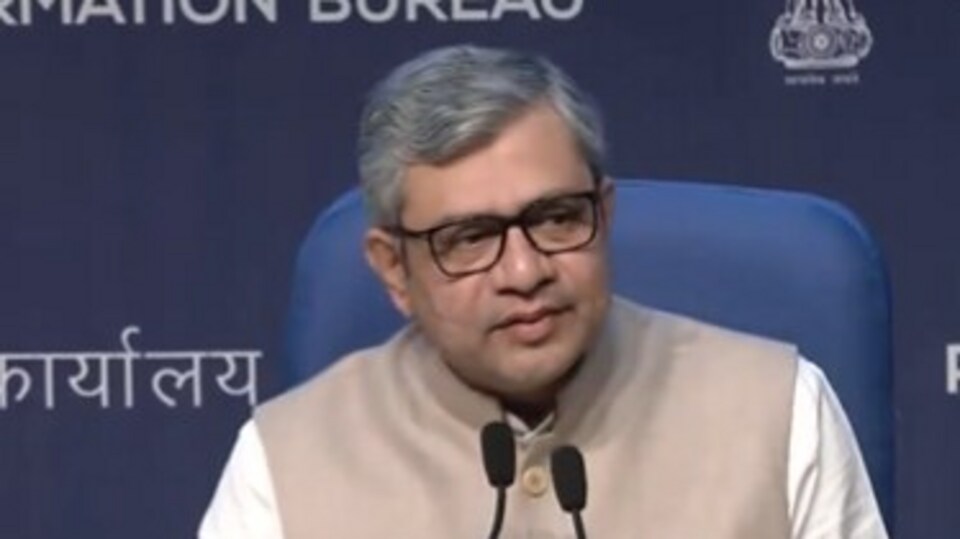
"Today the Prime Minister has taken an important decision to set up semiconductor fab in the country. The first commercial semiconductor fab will be setup by Tata and Powerchip-Taiwan, whose plant will be in Dholera," Union minister Ashwini Vaishnaw was quoted by ANI as saying.
The minister added that all the three semiconductor units will start construction within the next 100 days.
“A total of 50,000 wafer per month will be manufactured. 300 crore chips will be manufactured annually through this facility. Northeast will get its first semiconductor Unit in Assam. 48 million chips per day will be manufactured from here,” Vaishnaw added.
“Cumulative investment in all three units will be one lakh twenty-six thousand crore. The breakdown is investment in FAB will be 91,000 crore. Investment in the Assam unit will be 27,000 crore. Investment in the Sanand unit will be ₹7,600 crore,” he added.
With this the total investment in the semiconductor project amounts to around ₹1.26 lakh crore.
“CG Power will set up semiconductor unit in Gujarat in tie-up with Renesas Electronics Corp, Japan, and Stars Microelectronics, Thailand,” the minister added.
ALSO READ: UP’s semiconductor policy gets cabinet nod
Other cabinet decisions
The Union cabinet also approved a ₹75,000 crore rooftop solar scheme, under which one crore households will get financial assistance to set up solar panels at their homes.
“Today cabinet meeting was held under the leadership of PM Modi. 'PM Surya Ghar Muft Bijli Yojana' has been approved today, one crore families will get 300 units of free electricity under this scheme,” Union minister Anurag Thakur said.
Besides this, the government has also cleared nutrient-based subsidy rates for Kharif season 2024 on Phosphatic and Potassic fertilizers and the inclusion of 3 new fertilizer grades under the NBS scheme.
“The government will give a subsidy of ₹24,420 crore on NBS-based nutrients,” Thakur added.


