
 E-Paper



Dolby Cinema’s first screen in Pune offers new level of immersion, but how does it stack up against IMAX?
Dolby Cinema arrives in India with advanced visuals and immersive sound, promising a new way to watch movies. But how different?

 Prefer HTon Google


You may be interested in

38% OFF

XGIMI Horizon S Max New Launch 4K Projector, IMAX Enhanced Portable Projector, Dolby Vision, 3100 ISO Lumens, 110% BT.2020, Flexible Stand, Intelligent Screen Adaption, 2 x 12W Harman Kardon Speakers
 XGIMI Horizon S Max New Launch 4K Projector
- IMAX Enhanced Portable Projector
- Dolby Vision

₹2,49,999
₹3,99,999Check Details
38% OFF

XGIMI AURA 2 2024 NEW UST Laser Projector, Dolby Vision, IMAX Enhanced, 2300 ISO Lumens, 1,000,000:1 Dynamic Contrast Ratio, 0.177:1 Throw Ratio, Intelligent Screen Adaption, 60W Harman Kardon
- XGIMI AURA 2 2024 NEW UST Laser Projector
- Dolby Vision
- IMAX Enhanced
₹3,69,999
₹5,99,999Check Details
19% OFF

Cinema Experience Ambient Light Rejecting 92-Inch Diagonal Fixed Frame Projector Screen, 4K UltraHD.
- Cinema Experience Ambient Light Rejecting 92-Inch Diagonal Fixed Frame Projector Screen
- 4K UltraHD.
₹42,000
₹52,000Check Details
20% OFF

Formovie Theater Premium 4K UHD Laser Projector - ALPD® RGB+ 4.0 Technology, 150" UST Projector, Google TV with Netflix, Dolby Vision & Atmos, 2nd Gen Bowers & Wilkins Audio, HDR10+, Bluetooth 5.0
- Formovie Theater Premium 4K UHD Laser Projector - ALPD® RGB+ 4.0 Technology
- 150" UST Projector
- Google TV with Netflix
₹3,80,091
₹4,75,000Check Details

Dolby recently opened its first theatre in India at City Pride, Pune, with a lot of buzz around its Dolby Vision and Dolby Atmos technology. But for most moviegoers, what does this actually mean for the experience, and is it really that different from what you get at other premium cinemas or even IMAX?
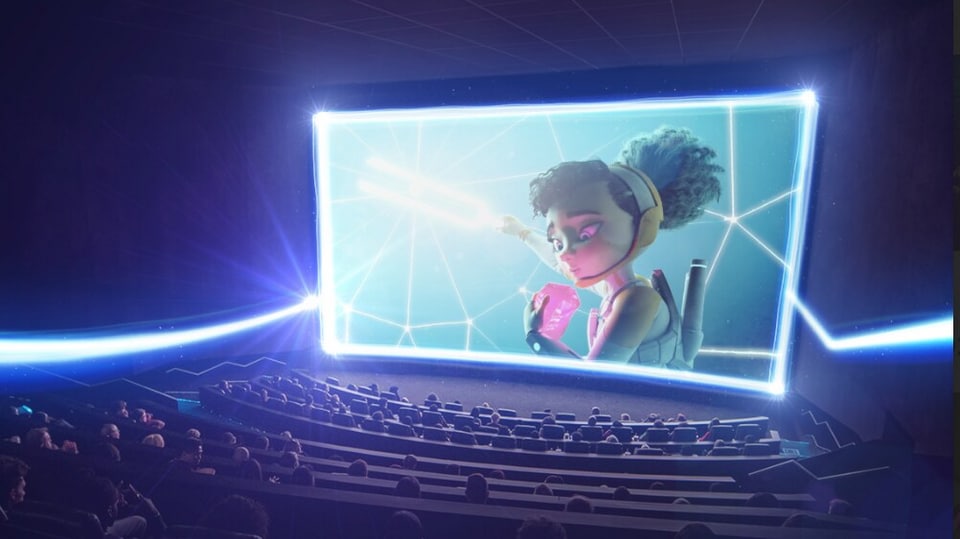

What Dolby Vision and Dolby Atmos mean for your movie night
Let’s start with Dolby Vision. Think of it as an upgrade to how you see movies. Dolby Vision is a type of high dynamic range (HDR) technology that brings out brighter highlights, deeper blacks, and a much wider range of colours than what you get with standard cinema screens. The secret lies in its dynamic metadata, which means the picture adjusts scene by scene, so every frame looks its best. You should be able to notice details in shadows, vibrant colours, and a level of clarity that makes even familiar films feel new.
Now, pair that with Dolby Atmos. Think of this as an extension of surround sound: a three-dimensional audio experience. Instead of sound coming from just the front or sides, Dolby Atmos uses speakers all around and even above you. Sounds move through the room, so when a plane flies overhead or rain falls, you actually feel it happening around you. Each sound can be placed and moved anywhere in the theatre, making you feel like you are right in the middle of the action.
When both technologies come together, your movie should look and sound the way the director intended.
How does this compare to other cinemas and IMAX?
Many high-end cinemas in India already offer 4K projection and some form of surround sound. But Dolby Vision goes a step further than standard HDR or regular 4K, with its dynamic scene-by-scene adjustments and a higher colour range. Dolby Atmos, meanwhile, offers more precise sound placement than traditional 5.1 or 7.1 surround systems, thanks to its object-based audio and overhead speakers.
IMAX is the other big name in premium cinema. IMAX screens are known for their sheer size and their own digital remastering process which makes images sharp and bright. IMAX sound is powerful and all-pervading but it is channel-based, not object-based. This means Dolby Atmos can offer more flexibility in placing sounds exactly where they need to be, while IMAX often wins on sheer scale and impact. Dolby Cinema focuses on creating a perfectly balanced experience, with both visuals and sound tuned for immersion and comfort. This doesn’t mean IMAX is not as good, but perhaps it’s safe to say it’s about spectacle and scale. Essentially, it’s about your preference.
So, if you want the most lifelike colours and pinpoint sound placement, Dolby Cinema stands out. If you crave a larger-than-life screen and booming audio, IMAX still has its loyal fans. Both are a big leap from standard theatres, so you get a good experience either way.


