
 E-Paper



iPhone 16 Pro's filmmaking features shine in new ad, but is it just hype? – Use case explored
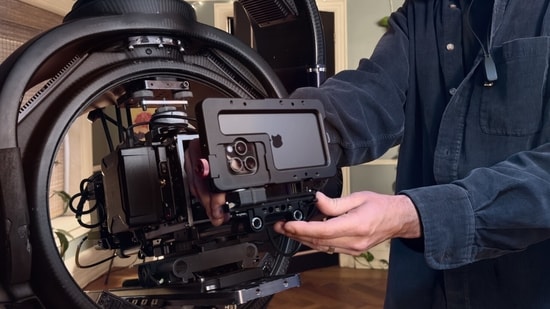
With the iPhone 16 Pro, you may not have Hollywood in your pocket, but you can certainly use it to pave your way there.


Our Picks
Our Picks
| Product | Rating | Price |
|---|---|---|
Apple MacBook Air Laptop: Apple M1 chip, 13.3-inch/33.74 cm Retina Display, 8GB RAM, 256GB SSD Storage, Backlit Keyboard, FaceTime HD Camera, Touch ID. Works with iPhone/iPad; Space GreyView Details  | ₹59,990 | |
 | ||
Apple 2024 MacBook Air 13″ Laptop with M3 chip: 34.46 cm (13.6″) Liquid Retina Display, 16GB Unified Memory, 512GB SSD Storage, Backlit Keyboard, 1080p FaceTime HD Camera, Touch ID- StarlightView Details | ₹1.40L | |
| ||
Apple iPad (10th Generation): with A14 Bionic chip, 27.69 cm (10.9″) Liquid Retina Display, 64GB, Wi-Fi 6, 12MP front/12MP Back Camera, Touch ID, All-Day Battery Life – BlueView Details | ₹30,999 | |
| ||
Apple Watch Ultra [GPS + Cellular 49 mm] smart watch w/Rugged Titanium Case & Orange Alpine Loop - Small. Fitness Tracker, Precision GPS, Action Button, Extra-Long BatteryLife, Brighter Retina DisplayView Details | ₹73,299 | |
| ||
Apple iPad Air (5th Generation): with M1 chip, 27.69 cm (10.9″) Liquid Retina Display, 64GB, Wi-Fi 6 + 5G Cellular, 12MP front/12MP Back Camera, Touch ID, All-Day Battery Life – Space GrayView Details | ₹57,999 | |
|

Research-Backed Choices
Every product we recommend is chosen through a combination of Primary Research and Secondary Research.
Don't Delay Your Smartphone Upgrade
Explore personalized EMI offers for your next purchase
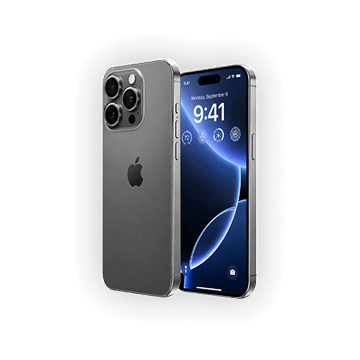
Apple’s latest iPhone 16 Pro ad ends with the bold tagline, “Hollywood in your pocket,” highlighting its advanced filmmaking capabilities. For years, Apple has been the dominant force in smartphone videography, and while Android competitors like Samsung and Google have made strides, the competition is still mostly one-sided. The iPhone 15 Pro reinforced Apple’s lead with the introduction of “pro-grade” features like shooting in ProRes LOG up to 4K at 60FPS. Now, the iPhone 16 Pro raises the bar even higher, offering 4K recording at 120FPS, enabling users to capture smooth, cinematic slow-motion without compromising on resolution. But here’s the real question: does owning the latest iPhone make you an instant cinematographer? The answer is both yes and no, and the reality is more nuanced than it first appears. Keep reading to find out.
Also Read: iPhone 17 Slim: Key details and will it become the most expensive iPhone of 2025?
iPhone 16 Pro Is A Tool, But It Needs More Tools To Perform At Its Best
iPhone 16 Pro is quite a capable device by itself, with several codecs to shoot in, multiple frame rates, and now, with apps like Blackmagic Camera available for free, the possibilities seem endless. However, you will always be limited by the laws of physics. No matter how much better the iPhone gets at low-light videography or even if it starts doing 8K video at 120FPS, it still uses a tiny sensor. Matching the output of “real” DSLR or mirrorless cameras is still a long way off. That said, having the best camera quality isn’t everything; cinematography involves a lot more—good lighting, quality audio recording, and, most importantly, a powerful narrative and story.
You could have the best possible camera—let’s say an Arri Alexa LF—and still end up with mediocre imagery, or you could use just an iPhone, with cinema-grade lighting and good direction, and create a masterpiece. It’s about how you supplement the camera as a tool, rather than relying solely on the best hardware.
This brings me to an important point: Apple is correct. iPhones do give you the ability to create, but to achieve the best results, you need to focus on the nitty-gritty—understanding how lighting works, how to tell meaningful stories, and how to manage a production. And learning more about cinemaography, watching more films, and practising are the best ways to do that.
Also Read: iOS 18.1 release inching closer, new beta rolled out: Check what’s new
The Best Camera Is The One You Have With You
If you think about it, the iPhone 16 Pro is more versatile in terms of flexibility than some entry-level mirrorless cameras. Why? Well, not only do you get the versatility of three focal lengths (24mm, 13mm, and 120mm equivalent), but you also get studio-quality microphones, making it ideal for content creation. To get the same setup with real camera hardware, you would need to spend upwards of several lakhs, which is why the iPhone 16 Pro can act as a catalyst in your filmmaking or content creation journey. Plus, being portable, you can take it anywhere, and no one would bat an eye at you filming, unlike with a bulkier setup.
Another major benefit you get with the iPhone 16 Pro, and any other flagship for that matter, is video stabilisation. If you handle a cinema camera like the Sigma fp, you’ll soon discover that stabilisation is non-existent, and you must rely on external solutions like using a gimbal to achieve stable shots. Phones have become so good that you don’t need any of this, making them ideal for run-and-gun situations.
One Device Is All You Need
Look, don’t get me wrong—you still need a powerful computer to edit all the 4K 120FPS footage you’ll capture on your new iPhone 16 Pro, but sometimes, your phone is all you have. Fortunately, editing on phones has become increasingly easier these days with apps like LumaFusion, CapCut, and more. This is where phones become an all-in-one device for getting everything done. You can’t say the same about a mirrorless camera.
True, no one in their right mind would shoot a professional fashion shoot on an iPhone, but imagine shooting a travel vlog or a documentary where lugging around heavy equipment isn’t feasible. Or, you might find yourself in a situation where you can’t afford a computer that can handle the 10-bit Log files from a Sony FX3—this is where a phone comes in handy. It’s about making things accessible, not perfect. And this is why I mostly agree with Apple. Mostly. Because while you can’t quite have Hollywood in your pocket, you can certainly find your way to it using your phone.
Also Read: OnePlus 13 may the first to feature Snapdragon 8 Elite chip; Teaser hints at ‘extreme’ performance