
 E-Paper



Slow clap for Slovenia
The picturesque Slovenian town of Idrija, famous for lace and mercury, offers much to love and even more to learn from


The fairytale town of Idrija in Slovenia, in a valley surrounded by the Julian Alps, has a rich history. Literally. It once housed one of the world’s biggest mercury mines, its 700 kms of shafts and galleries has fed the fantasies of ancient alchemists and apothecaries alike.
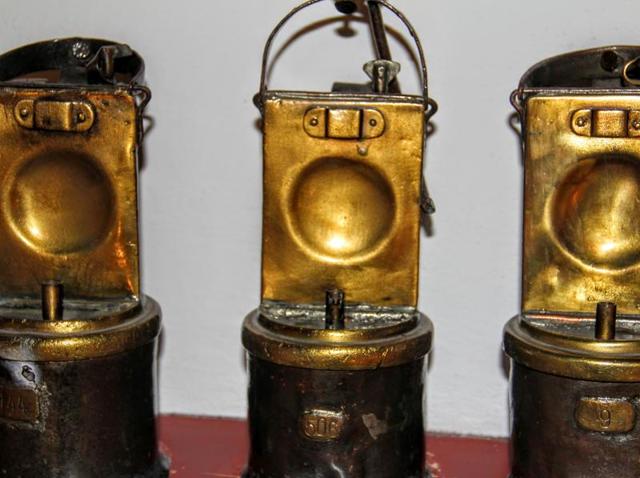
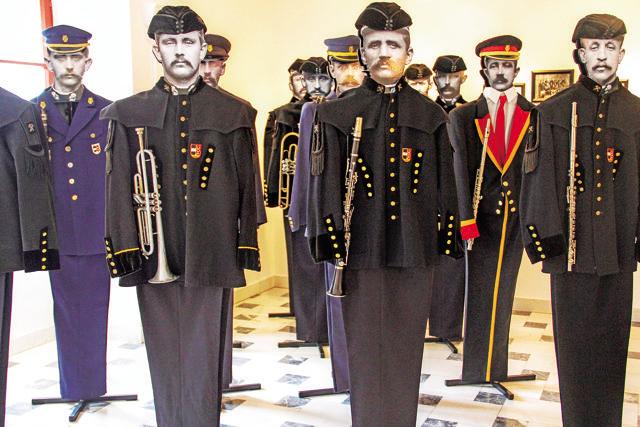
Today, the Municipal Museum housed in the 16th century Gewerkenegg Castle is a great place to trace the town’s history. Exhibits include rocks and fossils, and others that show how the liquid metal was used in tooth fillings, mirrors, thermometers and energy-saving bulbs. Tableaux portray the miner lifestyle with life-size mannequins, their brass bands, tools and assorted equipment.
We walk some distance to see an amazing relic from hundreds of years ago. As the mine went deeper and deeper under Idrija, a constant problem was water seeping into the dig. In 1790, Idrija came up with an ingenious pumping solution. They built an enormous water wheel – a wood and iron contraption called a kamšt, 45 feet in diameter, turned by a stream of water diverted from a dam on the Idrijca river. A canal was dug to draw the water from the dam and run it down to the water wheel, which then drove the extraction pumps. It’s a technical achievement, and a feat of local ingenuity that India would do well to emulate to solve many water crises.
A good way to get a sense of local culture is to visit a typical miner’s house, laid out across the slopes encircling the valleys where Idrija is located. The house has whitewashed walls, dozens of little windows, and four storeys with living quarters for three or four families. Today it’s a small museum recreating life in those days.
A lacy affair
Mercury is not the town’s only claim to fame. World-famous Idrija lace is a particular type of bobbin lace, usually made with five to eight pairs of bobbins. One part of the Municipal Museum is devoted to this unique fabric. How did lace come to Idrija?
Towards the end of the 17th century, wives of the miners, who were coming from Germany and the Czech Republic, brought it to the town. The reality of mining meant the loss of husbands. To cope with financial stresses, women began making lace. Their work took off. The museum has a prized exhibit – a lace tablecloth for a table that seats 12, and one of the largest preserved bobbin-lace articles from the 1970s, a gift which was intended for the spouse of the then reigning president Josip Broz Tito; it took 14 women two years to make. But she never received it!
Pockets of flavour
At the end of the 18th century, local lace merchants were selling the lace within the Austrian monarchy, and worldwide, under the name of Idrija lace. In 1876, the official Idrija lace-making school was established. In the last few decades it has become a popular hobby among Slovenian women. Young designers are getting creative with the age-old fabric and giving it a contemporary life in fashion, accessories and jewellery. Idrija even has an annual festival dedicated to it, where the craft is demonstrated and the year’s work is offered for sale.
Lace and mercury mines can often overwhelm the senses. Take a lunch break at Hotel Kendov Dvorek , set in a graceful manor, amongst 100-year-old apple trees and lawns. The spread includes traditional Slovenian dumplings that originated in Idrija called žlikrofi, made of dough stuffed with boiled potatoes, onion and seasoning, and shaped into ravioli-like pockets. In 2010 they were awarded a protected geographical status – the first Slovenian dish to get such a recognition. As you savour the unique flavours and the town, you realise how much there is to learn and appreciate in such a tiny land so far away.
One day in idrija
Getting there: Fly Lufthansa to Frankfurt and connect to Ljubljana. Idrija is an hour’s drive from there. There are Slovenian visa application centres in Delhi, Mumbai, Kolkata, Hyderbad, Bangalore and Chennai.
What to do: Explore the old town. Visit the Municipal Museum and Anthony’s Shaft. Visit the Lace school, and the Franja Partisan Hospital which operated in the Second World War.
What to eat: Try local specialities like žlikrofi, pasta pockets filled with potato balls spiced with ham and herbs, and gluhi štruklji (rolled dumplings).
Currency: Euro. (1 Euro = 76 rupees)
From HT Brunch, May 15, 2016
Follow us on twitter.com/HTBrunch
Connect with us on facebook.com/hindustantimesbrunch
Catch your daily dose of Fashion, Taylor Swift, Health, Festivals, Travel, Relationship, Recipe and all the other Latest Lifestyle News on Hindustan Times Website and APPs.


