E-Paper



Doctor stops showering for 5 years, reveals what happens when skin self-regulates
A doctor stopped showering for five years, finding that excessive washing disrupts skin's microbiome. He argued hygiene and bathing are not the same.

 Prefer HTon Google


For many, daily showers are synonymous with hygiene and protection against bacteria and infections. The beauty and personal care industry has flourished in recent years, surpassing $100 billion in the US alone in 2024. With an ever-expanding market introducing new products almost daily, one must question—do we really need them all?
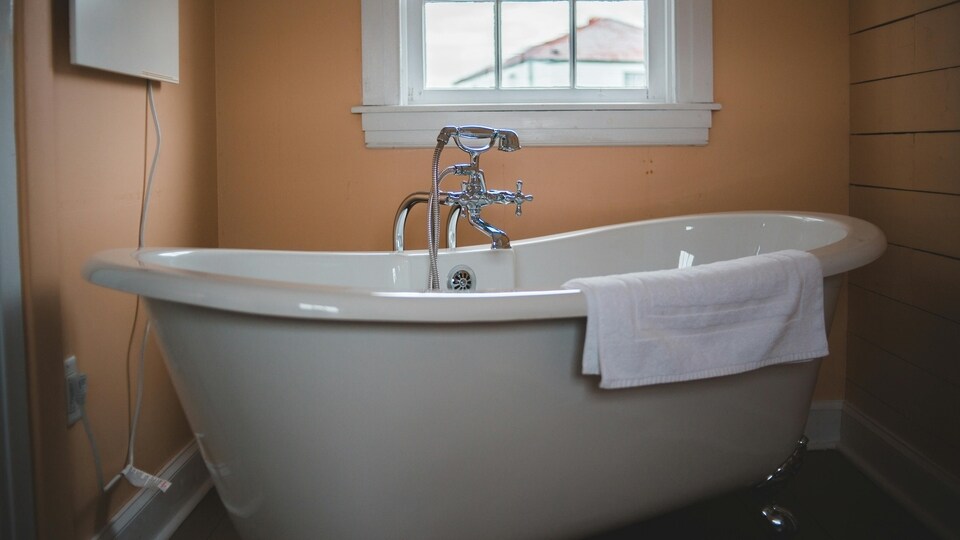
(Also read: Doctors find uterus, ovary inside dad-of-two who went for a hernia operation in UP)
A doctor who stopped showering for five years
Dr. James Hamblin, a preventive medicine and public health expert, decided to challenge conventional wisdom. In an attempt to understand the true necessity of daily showering, he stopped showering for five years. He documented his journey in his 2020 book, Clean: The New Science of Skin.
During this period, Hamblin faced numerous questions, particularly about body odour. While acknowledging that the inquiry felt intrusive, he reassured skeptics that he still washed his hands with soap regularly, occasionally wet his hair to fix bedhead, and rinsed off when visibly dirty.
What happens when you shower?
In an interview with CNN, Hamblin explained his findings. He observed that most personal care products exist not necessarily for hygiene but to enhance appearance, scent, and feel. While he acknowledged that soap is crucial for breaking down oily residues, he highlighted that physical washing—rubbing hands together under water—plays the most significant role in removing dirt and germs.
According to Hamblin, showering—especially with hot water and soap—disrupts the delicate balance of the skin’s natural oils, chemicals, and microbiome. This microbiome, much like gut bacteria, interacts with both internal bodily functions and the external environment. Over-washing can strip away essential oils, dry out the skin, and eliminate beneficial microbes, which may contribute to long-term health issues.
While researchers are still uncovering the full impact of the skin microbiome, early findings suggest that these microbes play a more vital role in overall health than previously believed. Hamblin likened excessive showering to the clear-cutting of a forest—an act that may not always be beneficial for the land.
Bathing and hygiene: Not the same thing
Hamblin makes a critical distinction between hygiene and bathing. Hygiene is about preventing the spread of infectious diseases through practices like handwashing after using the toilet or covering sneezes. Bathing, however, is a personal ritual more closely linked to feeling refreshed and presentable rather than maintaining health.
(Also read: Doctor blasts Pune 5-star hotel for ‘disgusting and unhygienic’ services, accuses GM of ‘condescending’ attitude)
"It is not for your health," Hamblin stated. While some people prefer a minimal approach, others enjoy a full, luxurious shower routine. Most individuals fall somewhere in between. His experiment raises a fundamental question—do we really need to shower every day, or is it just a habit shaped by societal norms and marketing?