
 E-Paper





Vaishali Kapila is a Senior Content Producer at Hindustan Times Digital, where she covers internet culture, viral social media moments, human interest stories and workplace trends. She believes the best stories often come from ordinary experiences and everyday conversations. Through her stories, she aims to help readers understand not just what is trending, but why it matters. Vaishali has over five years of experience in digital journalism. Before joining Hindustan Times, she worked as a Sub Editor at NDTV, where she specialised in food and travel writing. Over the years, she has written and edited stories on recipes, nutrition, restaurants, destinations and travel trends, while building expertise in digital storytelling and audience-focused content. Today, her work spans topics including consumer issues, lifestyle, workplace trends and stories that reflect everyday life. She enjoys finding fresh angles, speaking with people and adding context that helps readers make sense of a story.
Know Your Neighbourhood: How Hauz Khas went from a royal water tank to Delhi’s favourite cafe hub
Beyond its trendy cafes and lively streets, Hauz Khas has a rich history dating back to the 13th century.


Ask anyone in Delhi about Hauz Khas, and chances are they will mention its cafes, restaurants or lively evenings. It is one of those neighbourhoods where people love to spend an afternoon catching up with friends. But beyond the buzzing streets and trendy hangouts lies a history that goes back several centuries. Long before it became a popular social destination, Hauz Khas was an important water reservoir built to serve medieval Delhi.
The story behind Hauz Khas Lake
The story begins in the late 13th century, during the reign of Sultan Alauddin Khalji. He commissioned a large water tank near Siri, the second city of Delhi, to meet the water needs of its residents. Originally called Hauz-i-Alai, the reservoir collected rainwater during the monsoon, which could then be used throughout the year.
According to the National Mission on Monuments and Antiquities, the tank was constructed around 1295 to supply water to the newly established city of Siri.
Over the years, however, the reservoir fell into neglect. Its water channels became clogged with silt, and the once-useful tank gradually dried up.
How Hauz Khas got its name
The reservoir found a new lease of life during the reign of Sultan Firoz Shah Tughlaq in the 14th century. He undertook the restoration of the tank, clearing the accumulated silt and reviving its water supply. It was also during his reign that the reservoir came to be known as Hauz Khas, meaning the 'Royal Tank'.
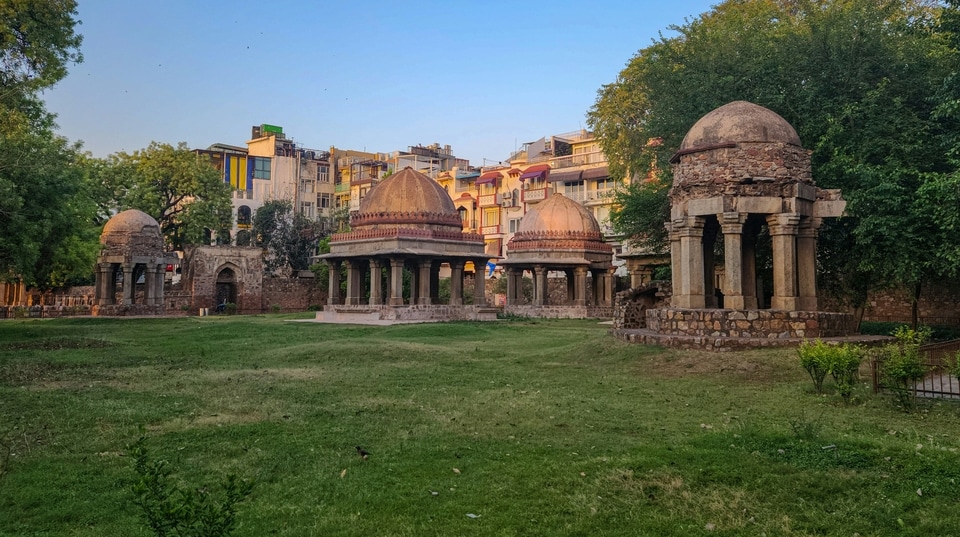
But Firoz Shah's contribution did not end there. He also commissioned a madrasa, a mosque, tombs and several pavilions along the banks of the reservoir. The INTACH Delhi Chapter's historical account offers a fascinating glimpse into the complex, particularly the Madrasa-e-Firoz Shahi, which once served as an important centre of learning.
The Delhi Government's Hauz Khas heritage walk also documents how these structures became part of the neighbourhood's historic landscape.
From Royal Reservoir to Cafe Culture
Centuries later, Hauz Khas has taken on a completely different identity. Its village lanes are now lined with cafes, restaurants, art galleries and boutiques, attracting visitors from across the city.
Yet, the old reservoir and the monuments overlooking it remain a reminder of the area's past.
So, the next time you visit Hauz Khas for coffee or an evening out, take a walk around the historic complex. You might discover that one of Delhi's favourite hangout spots has a story far more interesting than its cafe menus.


