E-Paper



Indigenous Peoples' Day 2025: Full list of US states celebrating the holiday
Seventeen US states and Washington, DC, now observe Indigenous Peoples' Day, honoring Native American heritage.

 Prefer HTon Google


Seventeen states - plus Washington, D.C. - now mark Indigenous Peoples' Day instead of, or alongside, Columbus Day. Indigenous groups started pushing for it back in the 1970s. The goal was simple: stop glorifying colonization and start recognizing Native history, survival, and culture.
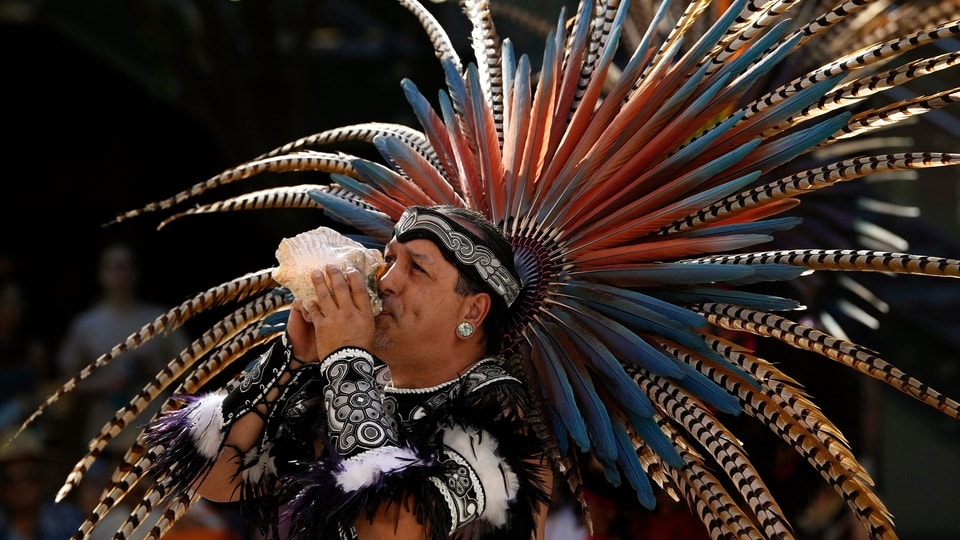
It took years, but it stuck. The idea grew from local observances to national attention. By 2021, President Joe Biden made it official with a presidential proclamation - the first time a US president formally recognized Indigenous Peoples' Day, the Associated Press noted.
Across the country, the day looks different depending on where you are. Some towns host powwows. Others hold school programs or art exhibitions. The tone swings between celebration and reflection - pride and protest often share the same space. This year, Indigenous Peoples' Day takes place on Monday, 13 October 2025.
States celebrating Indigenous Peoples' Day
The second Monday in October looked a little different from how it did a few decades ago. Six states, including Montana, Nebraska, Ohio, Pennsylvania, and Rhode Island, still keep Columbus Day but give equal billing to Indigenous Peoples' Day. Alabama, too, though it calls it American Indian Heritage Day.
Four states have dropped Columbus completely—Maine, New Mexico, South Dakota, and Vermont. South Dakota did it first, back in 1990, naming it Native American Day, the ACLU of South Dakota said. The other three followed in 2019, when they swapped out Columbus Day for something that actually reflects the people who were here first.
Seven more states - Alaska, California, Hawaii, Minnesota, Oklahoma, Oregon, and Wisconsin - recognize the day, just without the paid time off. Still, they mark it.
The divide over Columbus Day
Still, not everyone is on board. Thirteen states have not budged - Arizona, Connecticut, Georgia, Idaho, Illinois, Indiana, Maryland, Massachusetts, Missouri, New Jersey, New York, Utah, and West Virginia - all still keep Columbus Day as a paid holiday.
A few try to meet in the middle. Illinois, Missouri, Utah, and West Virginia hold separate Indigenous culture days, though unpaid. Maryland keeps its version paid, but on a different date.
That split goes back to what the holiday represents. Critics of Columbus Day point to his history - the violence, the slavery, the destruction that followed. Every year, protests break out near Columbus statues or memorials. Some cities have removed them altogether. Others still guard them.
What is clear is that the conversation has not faded. More states keep joining in, shifting focus toward honoring the people who were here long before any European flag ever landed.
FAQs:
1. Why is Indigenous Peoples' Day celebrated?
It is meant to honor Native American history and culture while acknowledging the harm caused by colonization and displacement.
2. Is it Columbus Day or Indigenous Peoples' Day?
That depends on where you live - some states still mark Columbus Day, while others have replaced or renamed it as Indigenous Peoples' Day.
3. Is Columbus Day a federal holiday?
Yes, Columbus Day remains a federal holiday, though not every state observes it the same way.
4. Who are considered Indigenous people?
They are the descendants of the original inhabitants of the Americas - communities that lived here long before European settlement.