
 E-Paper



US-returned venture capitalist shares why she rarely eats out in India: 'You open the door and the city hits you'
Nitisha Bansal, Vice President at a venture capital firm, shared how returning to India from the United States changed the way she socialises and spends money.

 Prefer HTon Google


A LinkedIn post by a US-returned venture capitalist about why she rarely eats out after moving back to India has sparked a debate online about urban infrastructure, spending habits and lifestyle differences.
Nitisha Bansal, Vice President at a venture capital firm, recently shared how returning to India from the United States changed the way she socialises and spends money. In her post, she said she now rarely eats out and prefers inviting friends home instead.
“Ever since I moved back from the US, I noticed something about myself. I almost never eat out. Even catching up with friends – ‘Come home, I’ll cook,’” Bansal wrote.
At first, she attributed the change to habit, home-cooked food or cost. However, she said the difference became clearer when she compared her experience with life in the US.
(Also Read: Indian man in Singapore says ‘surviving here is hard’, explains why he feels more at home there)
US vs India
"In the US, a Saturday evening just pulls you out. Clean footpath. Shade. A coffee place with chairs spilling onto the street. People walking slowly, no agenda,” she wrote, describing how casual outings would often turn into hours of socialising.
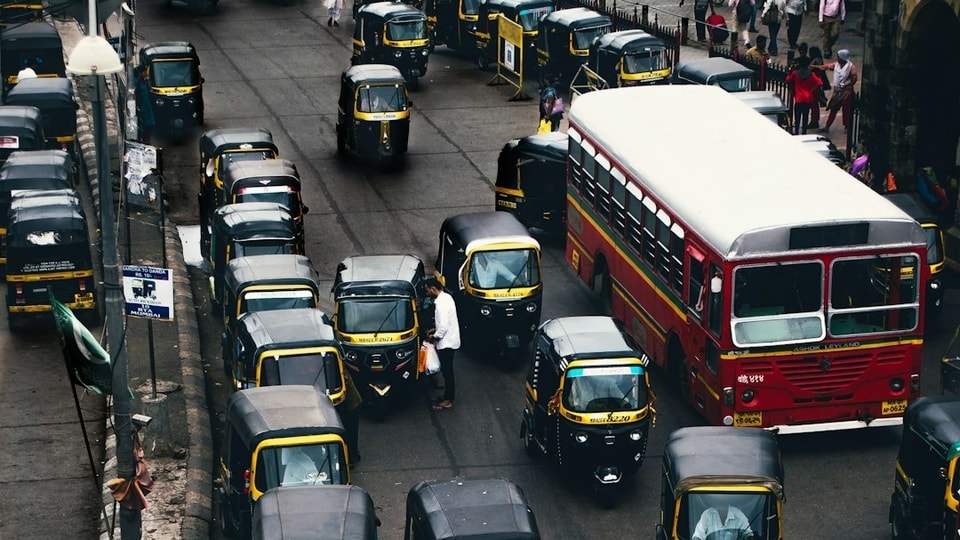
But in India, she said, stepping outside feels very different. “You open the door and the city hits you in the face. 40°C. Horns. Garbage. Dust. A footpath that’s become a two-wheeler parking lot. You last 30 seconds and turn back inside. The street doesn’t invite you. It rejects you,” she wrote.
Bansal argued that infrastructure plays a key role in shaping behaviour and consumer spending. Citing data, she said Indians eat out about 1.6 times per week at roughly $3 per meal, while Americans eat out 5.9 times per week at around $25 per meal. “That’s not just culture. It’s infrastructure suppressing behaviour, and behaviour suppressing GDP,” she wrote.
According to her, India has responded by building strong delivery systems that bring groceries and food home quickly. However, she argued that the bigger opportunity lies in improving public spaces.
“Fix the street → people step outside → dwell time goes up → retail, food, experiences, real estate all follow,” she wrote, adding that improving walkable streets could unlock $100–150 billion in incremental consumption by 2035.
Bansal concluded the post with a pointed suggestion about infrastructure priorities. “The best infrastructure investment India can make right now isn’t a highway. It’s a footpath,” she wrote.
(Also Read: CEO shows off ₹2.7 lakh chair while employee with back pain is told 'no budget')
How did social media react?
The post quickly gained traction on LinkedIn, drawing mixed reactions from users.
A user noted, “If we fixed the streets and people ate out 5.9x/week (like the US), wouldn’t we have as big a health crisis as the US does? I’m not saying we shouldn’t fix the streets. But we shouldn’t fix them so people can eat out 5.9x/week. That’ll likely be a bigger economic disaster than the broken streets.”
Another added, “It’s a little simplistically put to just say that people eat in because of the city. People eat outside with higher frequency outside India because the alternate is to come home and cook yourself or eat leftovers. When you are tired, it’s rather easy to just go outside.In India, having help to cook fresh food for you every day reduces that need by a lot.”
“The root cause is not the foothpath, the reason is empty pockets. Spending 100K dollars form your 1 million dollars pockets will not impact much but spending 1000 rs from 10K budget is big problem Even though %wise it the same,” commented a third user.
“I live in Boston and frankly I don’t want to eat outside at all because my options are crap, I end up paying a bomb for the most average of meals and I also don’t want to eat unhealthy, not to mention the cost of hiring a babysitter. The clean footpaths are not inviting me at all..and not sure if I would call footpaths of New York or San Francisco clean.. My parents in Delhi eat out and try out more restaurants than I do in a week.. so while I agree with commute in India being a reason to invite friends over, it’s not the footpath or walking infrastructure,” shared another.


