E-Paper



400 killed, Kabul hospital destroyed in ‘deadliest’ of incidents: What to know on Pak strikes
Pakistan on Tuesday rejected Afghanistan’s allegation that its airstrikes hit a hospital in Kabul, calling the claim “false and misleading".

 Prefer HTon Google


Afghanistan on Monday accused Pakistan of carrying out an airstrike on a drug rehabilitation hospital in Kabul that it said killed at least 400 people, sharply escalating a conflict between the neighbours that has intensified over the past three weeks.
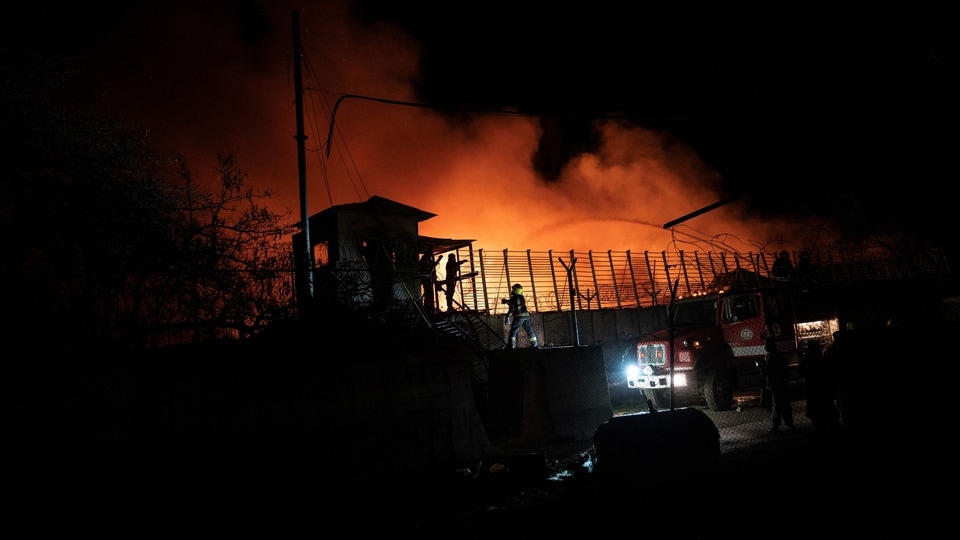
The strike came hours after Afghan officials said the two sides exchanged fire along their shared border, killing four people in Afghanistan, as the deadliest fighting between the neighbours in years entered its third week, according to the Associated Press.
Pakistan on Tuesday rejected Afghanistan’s allegation that its airstrikes hit a hospital in Kabul, calling the claim “false and misleading,” according to Pakistan’s information ministry, Reuters reported. It had earlier maintained its strikes, which were also carried out in eastern Afghanistan, did not hit civilian sites.
400 killed, 250 injured: Afghanistan on Pakistan's airstrike
Afghanistan’s deputy government spokesman Hamdullah Fitrat said in a post on X that the airstrike struck the hospital around 9 pm local time, destroying large parts of the 2,000-bed facility. He said the death toll had “so far” reached 400 people, with about 250 others reported injured.
Footage shared by local television stations on X showed security personnel using flashlights as they carried casualties from the site, while firefighters attempted to put out flames amid the ruins of the building.
Fitrat said rescue teams were working to control the fire and recover bodies.
Pakistan dismisses the allegations
Pakistan dismissed the accusations, with Pakistani Prime Minister Shehbaz Sharif’s spokesman Mosharraf Zaidi calling them baseless and saying no hospital had been targeted in Kabul.
In a post on X made before Afghan officials announced the death toll, Pakistan’s Ministry of Information said the strikes “precisely targeted military installations and terrorist support infrastructure including technical equipment storage and ammunition storage of Afghan Taliban” and Afghanistan-based Pakistani militants in Kabul and Nangarhar, adding that the facilities were being used against innocent Pakistani civilians.
The ministry said the targeting was “precise and carefully undertaken to ensure no collateral damage is inflicted.” It also described Mujahid’s claim as “false and misleading” and aimed at stirring sentiment while covering what it called “illegitimate support for cross-border terrorism.”
Also Read | Over 400 killed in Afghanistan after Pakistani airstrike at Kabul hospital
What is the Pak-Afghan ‘war’?
The strike came hours after Afghan officials said the two sides exchanged fire along their shared border, killing four people in Afghanistan.
The latest round of fighting, the most severe between the two neighbours in years, began in late February after Afghanistan launched cross-border attacks in response to Pakistani airstrikes inside Afghanistan that Kabul said killed civilians. The clashes disrupted a ceasefire brokered by Qatar in October after earlier fighting killed dozens of soldiers, civilians and suspected militants.
Pakistan has since declared it is in “open war” with Afghanistan. The conflict has raised alarm internationally, particularly as the region remains a base for militant organisations such as al-Qaida and the Islamic State group, which have been attempting to re-establish their presence.
Also Read | First visual shows Kabul hospital in blaze after Pakistan airstrike kills 400 | Video
On Sunday, Pakistani Information Minister Attaullah Tarar said the military had killed 684 Afghan Taliban fighters, a claim rejected by Afghanistan, which says the casualty numbers are far lower. Afghan officials, including the Defence Ministry, say Afghan forces have killed more than 100 Pakistani soldiers.
Pakistan’s government has long accused Afghanistan of providing safe haven to the Pakistani Taliban, designated as a terrorist organisation by the United States, as well as outlawed Baloch separatist groups and other militants who frequently target Pakistani security forces and civilians. Kabul has denied these allegations.