
 E-Paper



At UN meet, India red flags erosion of rights of women, girls in Afghanistan
United Nations human rights chief Michelle Bachelet has asked the Taliban to respect the rights of women and girls in Afghanistan and set a firm date to reopen schools for girls

 Prefer HTon Google


NEW DELHI: India on Friday expressed deep concern at the erosion of the rights of women and girls in Afghanistan and reiterated the call for the formation of an inclusive government in Kabul even as Taliban supreme leader Hebatullah Akhundzada told the group to ignore the demands of the world community.
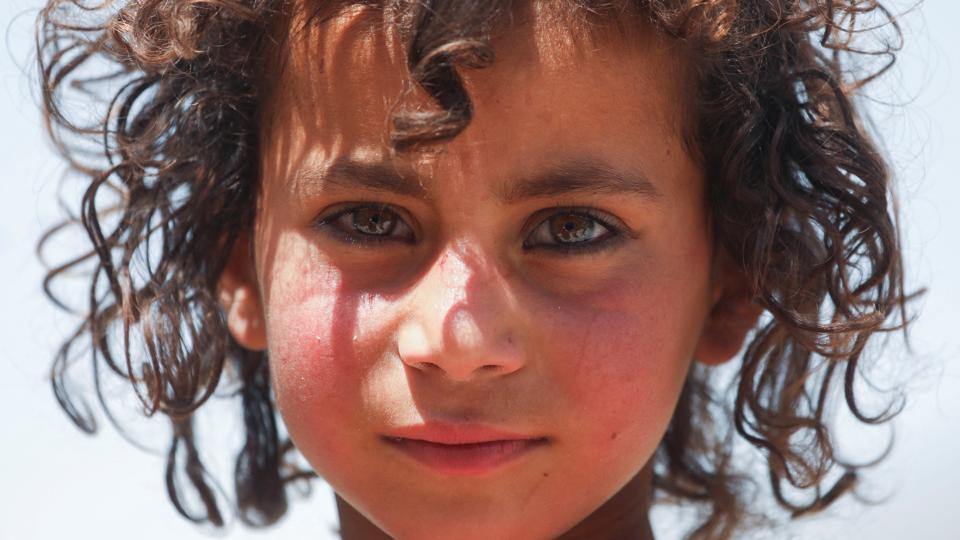
New Delhi’s position was outlined by Puneet Agrawal, India’s deputy permanent representative to the UN in Geneva, during an urgent debate convened by the UN Human Rights Council on the situation of human rights of women and girls in Afghanistan.
Speaking a week after New Delhi re-established its diplomatic presence in Kabul by deploying a technical team at the embassy there, Agrawal emphasised that India, in view of its strong historical and civilisational links to the Afghan people, is “deeply concerned about the recent developments in Afghanistan, which directly impact the well-being of women and girls”.
He said, “There has been an increasing attempt towards removing women from public life in Afghanistan. We join others in calling for ensuring the protection of rights of women and girls, including their right to education, and to ensure that the long-fought gains of the last two decades are not reversed.”
India, as a “contiguous neighbour and long-standing partner of Afghanistan”, has “direct stakes in ensuring the return of peace and stability to the country”, Agrawal said.
He made it clear the world community’s expectations on the way forward in Afghanistan are clearly outlined in UN Security Council resolution 2593 – formation of a truly inclusive and representative government, combating terrorism and drug trafficking, preserving the rights of women, children and minorities, and ensuring Afghan territory is not used to launch terror attacks against other countries.
The basic rights of civilians, children, girls and women, including freedom of speech and access to education and medical care, have been “drastically hampered” by the ongoing situation, and all parties concerned should allow unhindered access to international aid, Agrawal said.
An Indian technical team was deployed in Kabul to closely monitor and coordinate efforts of various stakeholders for effective delivery of humanitarian aid and “in continuation of our engagement with the Afghan people”, he added.
At around the same time, the debate was underway in Geneva, Akhundzada – who has never been photographed or filmed since the Taliban’s return to power last August – told a jirga or gathering of some 3,000 religious scholars and tribal elders in Kabul that the group should enforce an Islamic system without caring for criticism from the world community. He said he would not listen to the world community’s demands or advice even if the Taliban are threatened with a “nuclear attack”.
“There would be more opposition to our government when we start implementing decisions of Islamic courts,” Akhundzada was quoted as saying by Dawn newspaper in his speech in Pashto. He said the Taliban “should not care about the world’s criticism but try to enforce the Islamic system”.
The desires of the world that displease God are unacceptable, Akhundzada said, indicating that the international community’s demands, such as allowing women to study and work and putting in place an inclusive government, would not be accepted. The establishment of an Islamic system is “good news” for the Afghan people and Muslims around the world, he contended.



