
 E-Paper



‘Balochistan attacks aimed at stopping China cooperation’: Pakistan PM Shehbaz Sharif
Pakistan PM Shehbaz Sharif said that the terror attacks in Balochistan were aimed at thwarting developmental projects with China.

 Prefer HTon Google


Pakistan Prime Minister Shehbaz Sharif alleged on Tuesday that the terror attacks in Balochistan are aimed at stopping development projects that form part of the China-Pakistan Economic Corridor (CPEC). Sharif's statement comes a day after multiple attacks across the Pakistani province of Balochistan claimed 73 lives.
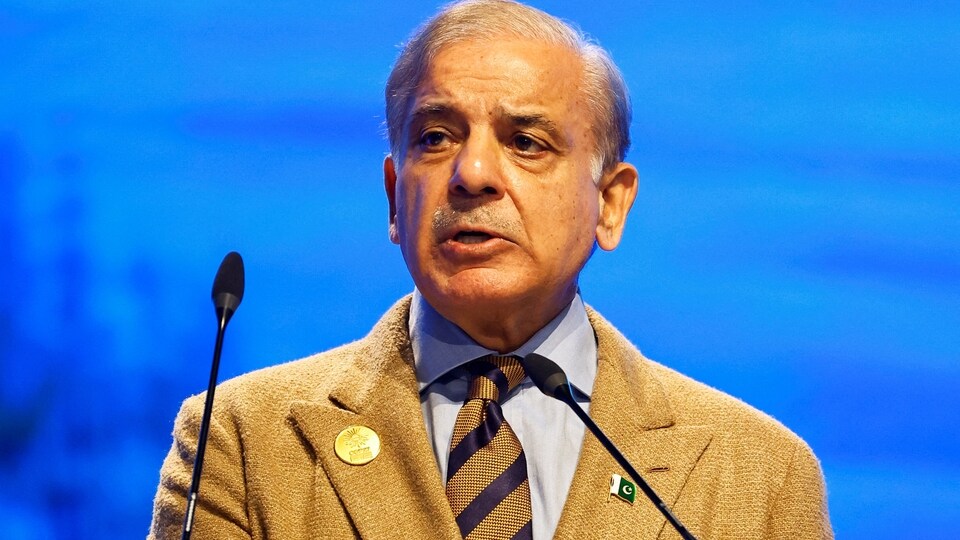
In a televised address to his cabinet, Sharif said. “The terrorists want to stop CPEC and development projects.” He added that the militants also wanted to drive a wedge between Islamabad and Beijing.
The assaults that began on Sunday, killing more than 70, were the most widespread in years by ethnic militants seeking to win secession of the resource-rich province, home to major China-led projects such as a port and a gold and copper mine.
In the past, Pakistan has not been able to develop the infrastructure needed to tap into the mineral-rich Balochistan, and hence sought China's help through the CPEC deal.
In Beijing, China condemned the attacks and vowed to maintain its support for Pakistan's counter-terrorism efforts. "China is ready to further strengthen counter-terrorism security co-operation with the Pakistani side in order to jointly maintain regional peace and security," Lin Jian, a foreign ministry spokesperson, told a regular news briefing.
Read more: 14 Pakistani security personnel among 73 killed in terror attacks in Balochistan
Previously, Beijing has flagged concerns regarding the security risks faced by Chinese citizens working in Pakistan, particularly in Balochistan. In March, six Chinese engineers working on a dam project were killed in the northwest. Separatist armed groups have also targeted Balochistan's deepwater Gwadar port, which is run by China.
Militants attacked vehicles on major roads and highways in Balochistan on Sunday and Monday, leading to the deaths of 38 civilians and over a dozen security personnel. 21 terrorists were killed in the counter operations run by the Pakistani military.
The Balochistan Liberation Army (BLA), took responsibility for this week's simultaneous attacks on police stations, railway lines and highways in the province, the largest but least developed of Pakistan's four. Hundreds of its fighters, including seven suicide bombers, participated in the attacks, it said in a statement.
(With inputs from Reuters)


