
 E-Paper



Brexit button: UK MPs prepare for key vote on bill in House of Commons
If amendments to the bill made by the House of Lords are overturned and the House agrees, the Theresa May government could trigger Article 50 of the Lisbon treaty to exit the EU on Tuesday.


The House of Commons will debate and vote on Monday on the Brexit bill that was passed by the House of Lords last week with two amendments — the key issue is whether MPs will uphold the amendments or overturn them.
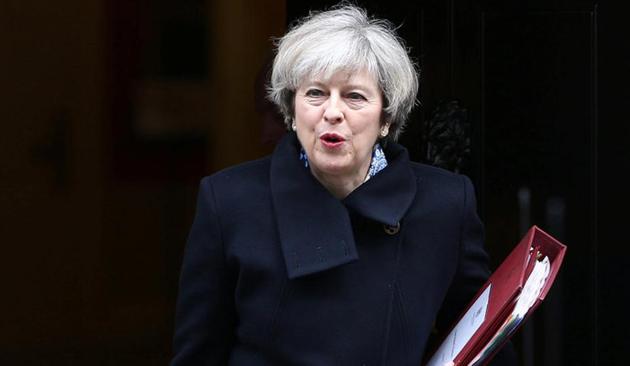
The bill was passed as introduced by the Theresa May government in the House of Commons, but the largely pro-EU House of Lords – where the ruling party does not have a majority – passed two amendments, much against the wishes of Prime Minister May.
The amendments related to assuring indefinite stay to EU citizens already in Britain (including thousands of Goan origin), and committing to giving a “meaningful” vote on the final deal reached with Brussels on leaving the EU, expected in mid-2019.
On Sunday, Brexit secretary David Davis urged MPs to overturn the amendments on Monday and sought to reassure Conservative rebels and others by saying that the issue of EU citizens’ future after Bexit will be “the first thing” on the agenda when talks begin.
If the amendments are overturned and the House of Lords agrees, the May government could send the notification to Brussels triggering Article 50 of the Lisbon treaty to exit the EU on Tuesday, government sources said.
On Sunday, the foreign affairs committee of parliament added pressure by setting out the adverse scenario for Britain if the May government did not reach a deal with Brussels by the end of the two-year period.
May has gone on record to say that even if no deal were reached, Britain would leave the EU.
Committee chair Crispin Blunt said: "The possibility of 'no deal' is real enough to require the government to plan how to deal with it. But there is no evidence to indicate that this is receiving the consideration it deserves or that serious contingency planning is underway.”
“The government has repeatedly said that it will walk away from a ‘bad’ final deal. That makes preparing for ‘no deal’ all the more essential. Such preparation reinforces that stance,” he added.
However, Davis insisted in a Sunday BBC interview that it was "not remotely likely" that there would be a complete breakdown in negotiations: "The simple truth is, we have been planning for the contingency, all the various outcomes, all the possible outcomes.”
“It's not just my team, it's the whole of Whitehall, it's every single department. But, understand, it's the contingency plan. The aim is to get a good outcome."


