
 E-Paper



China supplies mounted howitzers to Pak to maintain arms parity with India
Over the past decades, Pakistan has been able to punch far beyond its weight category with China doing the heavy lifting against India, be it in arms supply or in multilateral arms control regimes.

 Prefer HTon Google


In a move that ensures that Pakistan continues to remain locked up in confrontation with India, Islamabad has received first batch of Chinese manufactured vehicle mounted howitzers to counter the Indian K-9 Vajra howitzers. Beijing is also supplying NORINCO AR-1 300 mm multi barrel rocket launchers to Rawalpindi so that the Pakistan Army has a reply to Indian rocket launchers. The total contract worth is around USD 512 million.
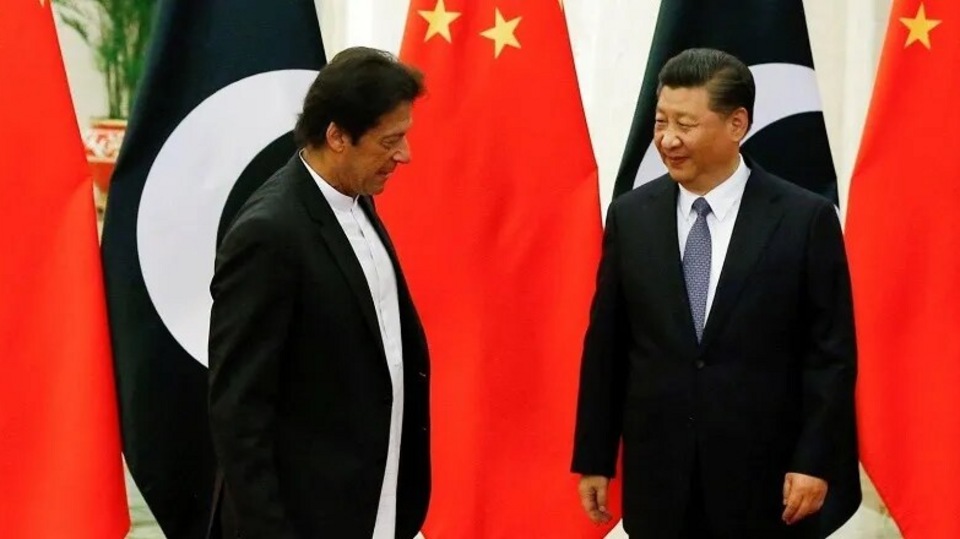
The supply of conventional weapon systems, fighter aircraft, destroyers and even the inclination to give DF-17 hypersonic missile to counter India’s latest acquisition, the S-400 air defence system, are all part of Beijing long strategy to keep Rawalpindi GHQ in a state of permanent confrontation with India. This strategy has paid dividends to Beijing regime in the past as forces India to remain alert on its western border with a power that boxes much above its weight category due to heavy lift from China, be it in international fora or in military or nuclear parity. The role played by Beijing in developing Pakistan into a nuclear state along with the covert supply of delivery systems since 1990s is all well documented.
According to reports, Pakistan in 2019 signed a contract with Chinese arms major NORINCO to supply 236 SH-15 155 mm vehicle mounted howitzers apart from AR-1 heavy rocket launchers. In addition to artillery, the contract also includes supply and technology transfer for various ammunition including extended range artillery shells and guided artillery shells with the range of 53 kilometers. Clearly, this supply is to boost the firepower of Pakistan army all along the western border, specially to heat up the Line of Control in Jammu and Kashmir in case the existing ceasefire breaks down or to send a message on Kashmir.
The reported supply of DF-17 mobile, solid fueled medium range ballistic missile by China to Pakistan is to pump up Rawalpindi’s ballistic missile system as the hypersonic missile is difficult to track by most existing radars and equally difficult to engage by existing surface to air missile systems including S-400 system. Mounted on a hypersonic glide vehicle, the DF-17 is said to have a combination of maneuverability and high speed that poses significant challenges to conventional missile defence. China has tested the DF-17 missile at least nine times since 2014 and is said to have 1950 km range with a speed of at least five times that of sound or Mach 5.
While India also tested its scramjet powered Hypersonic Technology Demonstrator Cruise Vehicle (HSTDV) on September 7, 2020 for launch of hypersonic missiles, the Chinese supply will clearly force Defence Research and Development Organization to speed up the indigenous project.
Keeping Pakistan under its wing for strategic purposes and reach to Arabian Sea, China has not only supplied arms to Rawalpindi but has played a spoiler to India’s entry into Nuclear Suppliers Group and has gone to the extent of trying innocent Indians working in Afghanistan listed as global terrorists before the 1267 committee. It routinely sides with Pakistan in the UN over Kashmir and vetoes any attempt to list known pan-Islamic jihadi groups or their leaders as terrorists by the UNSC.


