
 E-Paper



Chinese ambassador steps up as Nepal’s communist party stares at a split
The Nepal Communist Party was formed less than three years ago with the merger of PM Oli-led Communist Party of Nepal (Unified Marxist–Leninist) and his rival Pushpa Kamal Dahal aka Prachanda’s Communist Party of Nepal-Maoist Centre.

 Prefer HTon Google


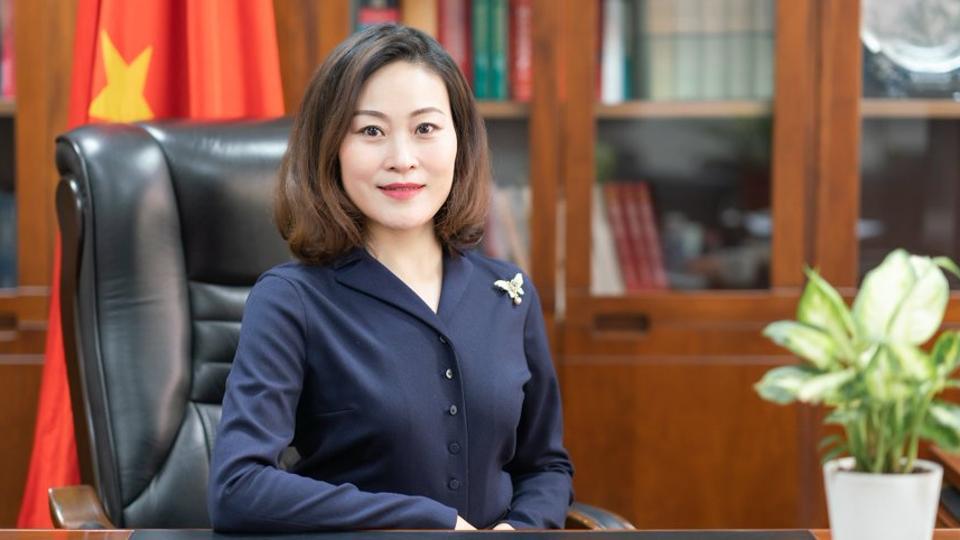
Chinese ambassador Hou Yanqi on Tuesday evening met Nepal President Bidya Devi Bhandari at the presidential palace Shital Niwas, people familiar with the matter said. The hour-long meeting comes two days after the President signed off on Prime Minister KP Sharma Oli’s recommendation to dissolve parliament, a precursor to the split in Nepal’s communist party that the Chinese leadership had been trying to avert.
The Nepal Communist Party was formed less than three years ago with the merger of PM Oli-led Communist Party of Nepal (Unified Marxist–Leninist) and his rival Pushpa Kamal Dahal aka Prachanda’s Communist Party of Nepal-Maoist Centre. The power tussle between PM Oli and Prachanda intensified over the last several months after Prachanda accused the prime minister of violating their power-sharing pact.
Chinese envoy Hou had been able to convince the two sides to patch up on previous occasions this year but has been less than successful over the last few months, particularly after Beijing indicated that it wasn’t averse to a change of prime minister if it keeps the communist party intact.
There was no official word about the Chinese envoy’s discussions with the President on Tuesday. One version swirling in Kathmandu’s political circles was that Tuesday’s meeting was to discuss supply of Covid vaccines. But this version is viewed suspiciously.
Also Read | Nepal PM Oli seeks control of communist party, rivals ‘sack’ him as party boss
When a controversy had erupted in July this year around ambassador Hou Yanqi’s meetings with President Bhandari and other political leaders including PM Oli and his rivals, Chinese Embassy spokesperson Zhang Si had told the Kathmandu Post that China did not wish to see the Nepal Communist Party in trouble and wished that leaders would resolve their differences and stay united. “The embassy keeps good relationships with Nepali leaders and is ready to exchange views on issues of common interest at any convenient time,” Zhang had said.
Tuesday’s meeting coincided with PM Oli and the rival faction led by former prime ministers Prachanda, Madhav Kumar Nepal and Jhala Nath Khanal fighting to consolidate their control over the communist party.
The Prachanda-led faction, which has majority support in most key party bodies such as the standing committee and the central committee, announced that the party had decided to replace PM Oli as the NCP’s co-chairman with Madhav Nepal.
Also Read | Nepal’s unconstitutional turn
PM Oli, on the other hand, insisted that party meetings convened without his approval were illegitimate. At a meeting that he had called a few hours earlier, PM Oli had inducted his loyalists into the communist party’s central committee to shore up his support within the crucial body.
It isn’t clear if ambassador Hou will be meeting PM Oli as well. But their last meeting in November didn’t go too well after it became clear that Beijing was indifferent to his continuation in the government.
Prime Minister Oli is believed to have indicated to ambassador Hou that he is capable of handling challenges within his party without any assistance from other countries. This approach also fitted well with PM Oli’s efforts to reclaim the nationalist agenda that was the mainstay of his campaign that led to the NCP’s win in 2018.


