
 E-Paper



Columbia Reaches Deal With Trump Administration to Restore Federal Funds
The university will pay more than $200 million in settlements, ending a confrontation that disrupted the U.S. higher-education industry.


 Prefer HTon Google


Columbia University reached a deal with the Trump administration, ending a confrontation that disrupted the U.S. higher-education industry and sparked a contentious renegotiation of academia’s relationship to the federal government.
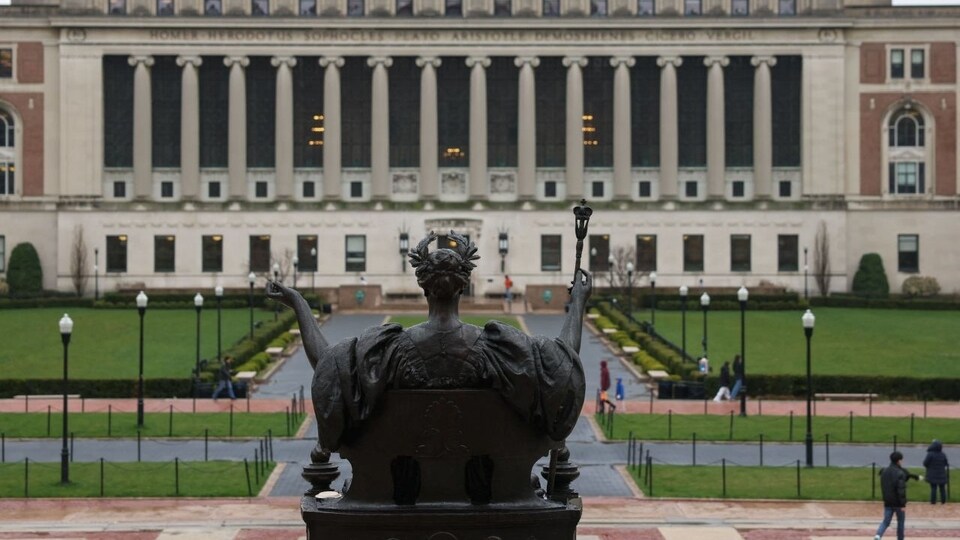
As part of the deal, Columbia will pay $200 million to the federal government over three years to settle allegations the school violated antidiscrimination laws. The school also agreed to settle investigations brought by the U.S. Equal Employment Opportunity Commission for $21 million.
In return, the Trump administration will restore nearly all of the hundreds of millions of dollars in research grants it had pulled from Columbia back in March. The school will also be able to access federal funding in the future.
The deal doesn’t include a consent decree, which the Trump administration initially pursued. That would have given a federal judge responsibility for ensuring Columbia changes its practices. Instead, a “jointly selected independent monitor” will assess Columbia’s compliance with the terms of the resolution.
The federal government canceled $400 million in grants and contracts in March, charging that the university had violated civil-rights laws by ignoring what it determined was harassment of Jewish students after the Hamas attacks against Israel on Oct. 7, 2023.
The Trump administration’s battle with Columbia was the first of a series of broadsides against elite research universities that depend on federal funds to operate. It helped fulfill a campaign promise made by President Trump to rein in the progressive ideas at elite universities that he said amounted to a “Marxist assault on our American heritage and Western civilization itself.”
Still unresolved is the White House’s fight with Harvard University. On Monday, a federal judge heard arguments from Harvard, which contended the government had no basis to cut $2.2 billion in research funding. Lawyers for the government insisted it has the power to cancel contracts with universities that no longer align with government priorities.
The Trump administration’s moves to reshape higher education have torpedoed a half-century-old university business model, upending research and scrambling the careers of thousands of scientists whose work the federal government funds.
Columbia became a target for the Trump administration after pro-Palestinian protests last year led the school to move classes online, while a campus rabbi warned Jewish students against returning to campus after Passover break because he feared the climate wasn’t safe.
Columbia President Minouche Shafik was unable to reconcile the factions and resigned in August 2024 after just 13 months on the job. Earlier this year, interim President Katrina Armstrong stepped down after playing down commitments she had made to the federal government in closed-door meetings with faculty. The university board’s co-chair, Claire Shipman, was named acting president.
Write to Douglas Belkin at Doug.Belkin@wsj.com


