
 E-Paper



Covid-19: Pakistan to ban unvaccinated citizens from domestic air travel
According to the country's National Command and Operation Centre (NCOC), the ban will come into effect from August 1 with certain exemptions.

 Prefer HTon Google


Pakistan's National Command and Operation Centre (NCOC) has said it will forbid domestic air travel for citizens yet to be vaccinated against the coronavirus disease (Covid-19). In a statement, the NCOC said the restriction will come into effect from August 1 and all unvaccinated citizens who are above the age of 18 will come under it.
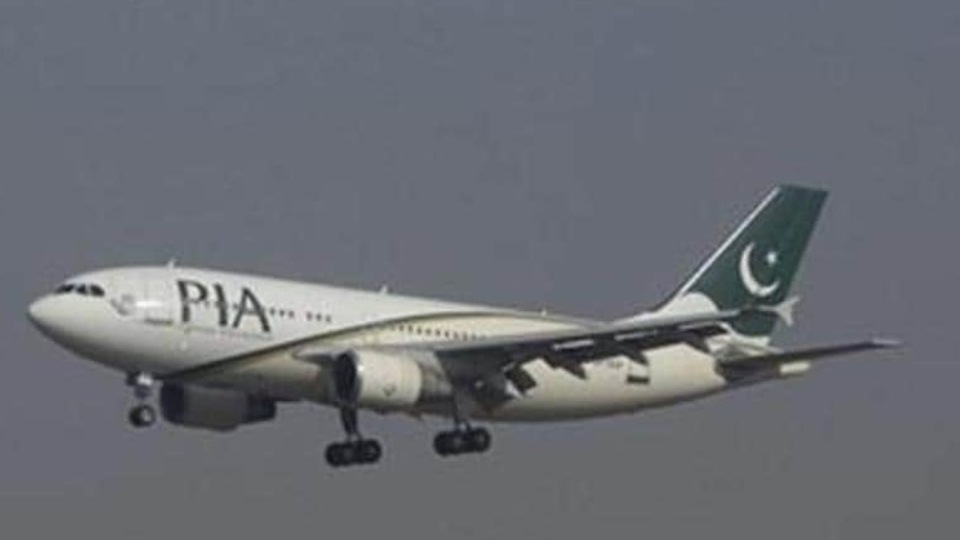
"Restriction is for domestic air travel. However, people travelling from Pakistan from abroad or arriving in Pakistan from a foreign country are exempted from this restriction. It is also not applicable to link flights if these are within 72 hours of arrival or departure," an NCOC document stated. Additionally, according to the document, exemptions will also be applicable to partially vaccinated people, foreign nationals, Pakistani nationals with documentary proof they were vaccinated abroad, and patients with clinical conditions.
A total of 25,432,173 doses of Covid-19 vaccines have been administered in Pakistan till now, including 517,255 on July 24, the NCOC informed in a tweet. Taking to Twitter, Asad Umar, the Federal Minister for Planning, who also heads the NCOC, said the target is to ensure that at least 40% of the eligible population is vaccinated, across all major cities.
The National Command and Operation Centre was formed in April 2020 as a principal body governing Pakistan's national Covid-19 efforts.
Meanwhile, the country's cumulative Covid-19 infection tally has crossed the 1 million mark, as 2819 more people tested positive in the last 24 hours, taking the overall caseload to 1,004,694, the Ministry of National Health Services said on Sunday. According to the ministry's data, 45 more people succumbed due to the viral disease in this period, taking the death toll past the 23,000-mark to 23,016.
Also, the latest positivity rate was recorded at 6.32%, which is the highest during what is called Pakistan's fourth wave of the coronavirus pandemic, which hit the country in the early days of July.
(With PTI inputs)


