
 E-Paper



Electoral College explained: How Donald Trump won 2016 despite less popular votes than Hillary Clinton
The US Electoral College allows a candidate to win the presidency without the popular vote.

 Prefer HTon Google


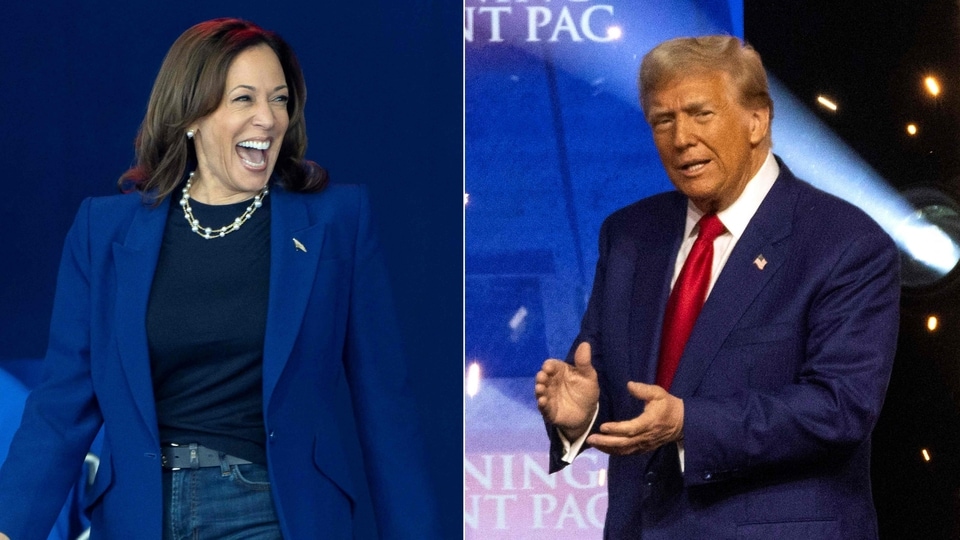
In 2016, Hillary Clinton won the popular vote in the US presidential election, but Donald Trump still became president. This was because of the Electoral College—a system unique to the US where the outcome isn’t decided directly by popular vote. Here’s a breakdown to understand how it works.
Follow: US Elections live
What is the popular vote?
The popular vote is the total number of individual votes cast by citizens across the country. It reflects the direct choice of the people, where every vote is counted equally. In 2016, Clinton received more total votes nationwide, but this didn’t guarantee her the presidency because the US election uses the Electoral College system.
What is the Electoral College?
The Electoral College is made up of 538 electors. Each US state is assigned a certain number of electors based on its population size. For example, California, the most populous state, has 55 electoral votes, while smaller states like Wyoming have only 3.
To win the presidency, a candidate must get a majority of 270 electoral votes out of 538.
How does it work?
When Americans vote, they’re actually voting for a slate of electors who will represent their choice. These electors then vote for the president based on the popular vote within their state.
If a candidate wins the popular vote in a state, they usually receive all of its electoral votes, even in a close race. For example, in 2020, Joe Biden won California, so all 55 of California’s electoral votes went to him.
However, Maine and Nebraska allow for split electoral votes.
Why can the popular vote winner lose?
It’s possible to win the national popular vote but lose in the Electoral College if a candidate wins many smaller states.
For instance, Donald Trump’s narrow victories in states like Wisconsin (10 electoral votes) and Michigan (16 electoral votes) helped him secure the 2016 election despite losing the popular vote.
Why is it controversial?
The Electoral College was designed to balance power between high- and low-population states. But today, it means that some states have much more influence, making candidates focus heavily on “swing states” where results are uncertain.


