
 E-Paper



How Omicron compares against other WHO-designated variants of concern
The Omicron variant of coronavirus has a high number of mutations, and, according to the UN health agency, some are concerning and may be associated with immune escape potential and higher transmissibility.


The uncertainties around the highly divergent variant of coronavirus, Omicron, has prompted countries to review the easing of restrictions. The World Health Organization (WHO) wrote to member states that the likelihood of potential further spread of Omicron at the global level is “high” and the overall risk related to the variant of concern is “very high”. The variant has a high number of mutations, including about 30 in spike protein, and, according to the UN health agency, some are concerning and may be associated with immune escape potential and higher transmissibility.
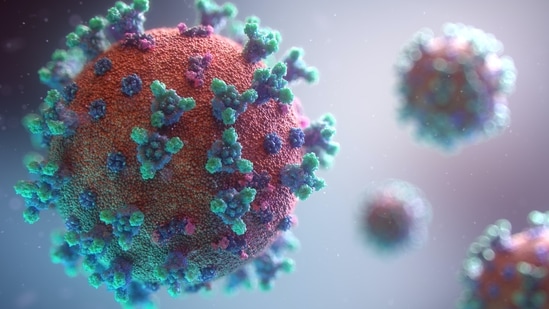
Omicron is the fifth WHO-designated variant of concern first identified in South Africa last week. The other four variants of concern are Alpha, Beta, Gamma, and Delta.
Here’s how Omicron compares against other WHO-designated variants of concern:
Transmissibility
The alpha and beta variants appeared to spread more easily and quickly than the original Sars-CoV-2. The delta variant, first detected in India, was found to be 43% to 90% more transmissible than previous virus variants. While the experts are awaiting more data on Omicron, its detection coincides with a sharp rise in cases in South Africa.
Severity of illness
Several studies on the alpha variant submitted to Britain’s new and emerging respiratory virus threats advisory group (Nervtag) in January suggested there could be a link to increased risk of death. According to a study published in August, people infected with the delta variant is 50% more likely to be hospitalised than those infected with alpha. For Omicron, the WHO and other health agencies are closely monitoring the impacts from this latest variant of concern.
Vaccine efficacy
While some laboratory studies have shown that the vaccine remains effective against the beta and alpha variant of coronavirus, some studies have suggested that beta and gamma may have mutations with immune escape capability. In the case of delta variant, studies have suggested that the variant of concern is moderately resistant to vaccination. The high number of mutations in regions of the spike protein of omicron can potentially dampen the potency of antibodies.
(With agency inputs)


