
 E-Paper



How Russia’s Ukraine War Crosses the Polish Border
Welcome to Rzeszów, a key hub for refugees and humanitarian support some 65 miles from Ukraine.


 Prefer HTon Google


Rzeszów, Poland
Prime Minister Donald Tusk this month accused Russia of attacking Poland’s railway along a route that’s “crucially important for delivering aid to Ukraine.” Saboteurs detonated an explosive device on one portion of the track and farther down the line attached a metal clamp that could have caused a derailment, Polish authorities said.
It’s the latest in a long list of Russian provocations on the territory of North Atlantic Treaty Organization allies that fall slightly short of war. This fall some 20 Russian long-range drones deliberately trespassed into Polish airspace. Suspicious drones have disrupted flights and hovered around military bases and critical infrastructure across Europe, and rogue ships dragging anchors have damaged undersea cables and pipelines in the Baltic Sea. Russia is the obvious suspect.
Meanwhile, small cities in Eastern Europe suddenly find themselves geopolitically significant—and sites of international intrigue. Among them is Rzeszów (pronounced “ZHEH-shoof”), a city of around 200,000 some 65 miles from the Ukrainian border.
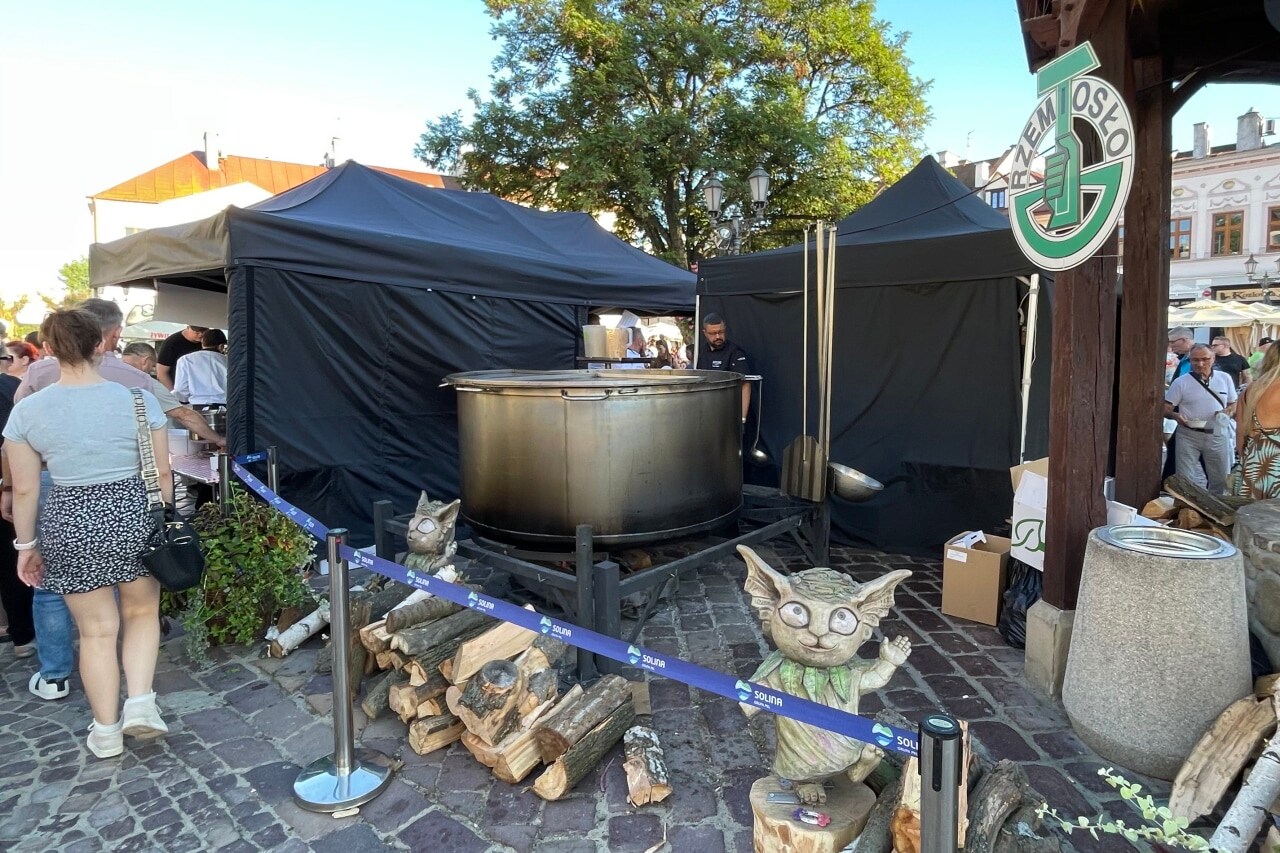
Rzeszów exudes a wholesome vibe reminiscent of Stars Hollow, Conn., the fictional town in “Gilmore Girls.” On a sunny fall day last year, families wandered through a corn maze, sipped cider and posed for photos with pumpkins and a vintage Ford F-1 at Farma Rzeszowska, an American-style farm on the outskirts of town. Every September, a festival here known as “Carpathians on the Fork,” features a hot-tub-size pot of soup that simmers overnight; locals queue up the next day for bowls in the city square. City Hall, which dates to the 16th century, toots out a cheerful jazz bugle call several times a day.
Before 2022, Rzeszów was “on the outskirts of the EU,” says Mayor Konrad Fijołek. “We were also a mono-ethnic city.” That has changed since Russian tanks rolled into Ukraine.
Some 1.5 million Ukrainian refugees transited through Rzeszów during the first few months of the war, and as many as 30,000 now live here, including around 2,000 children who attend local schools. National polls have suggested a growing public weariness regarding Ukrainian refugees, but Mr. Fijołek says the attitude here remains accommodating, given the proximity to Ukraine: “Our citizens . . . know it is better with Ukraine fighting for our safety, our security, our democracy, than to have at our border aggressive Russian troops.”
In early 2022 the U.S. deployed thousands of soldiers to Poland, establishing a temporary base at nearby Jasionka. Despite their plainclothes attire, U.S. troops are conspicuous as they wander around Rzeszów with big grins that are very un-Eastern European. Their presence “is the key for our safety feeling. It’s . . . the most pro-U.S. region in Europe,” the mayor says.
The Rzeszów metropolitan area has become a hub for Western military and humanitarian support for Ukraine. The Rzeszów-Jasionka airport caters to both Western military and civilian passengers, including journalists, volunteers and foreign dignitaries traveling to and from Ukraine. Some 1.2 million civilians flew through last year, up from 700,000 before the war, and it is now one of the biggest cargo hubs in Poland.
A pizzeria near the airport features a pie named for Joe Biden, though Mr. Biden found the featured jalapeño too spicy when he tried it during a visit in 2023. A downtown restaurant offers fancy steaks and apple pie to cater to American tastes. But the Russians have also noticed Rzeszów’s new significance, and these days things can feel more John le Carré than “Gilmore Girls.”
“We know they are very active,” says Kamil Czyż, Rzeszów’s head of city brand, economic development and tourism. Authorities caught “some agents hired by Russia to monitor the railway lines,” and the city copes with cyber attacks on a regular basis, he says. Mr. Fijołek adds that “we know that we have many cameras in our city, and sometimes they use our cameras to monitor” what’s happening here.
The airport has been a target for Russian troublemaking. But Bartosz Górski, vice president of its management board, says it’s “currently one of the best-secured airports in Europe." Fly into Rzeszów and you’ll see Patriot air-defense systems lined up on the runway. The airport has spent more than $50 million on infrastructure including physical and cyber security since the start of the war.
Polish and Ukrainian authorities say they foiled a Russian plot last year to assassinate President Volodymyr Zelensky as he traveled through the Rzeszów-Jasionka airport. Spies have been caught with cameras peeping through the fence on the airport’s perimeter.
Rzeszów officials are cautious with their words when I ask if the city is on wartime footing. “We feel that war is closer—we feel this atmosphere,” Mr. Fijołek responds. “It’s not a normal situation, but we know that it’s still not war.” The same could be said of Europe as a whole during this dangerous new era.
Ms. Melchior is a London-based member of the Journal’s editorial board.


