
 E-Paper



How war zones fuel rise of ‘superbugs’ and their spread across borders
Armed conflicts like Gaza war is leaving a dangerous legacy— the rise of antimicrobial resistance, which leads to creation of ‘superbugs’.

 Prefer HTon Google


The devastation caused by armed conflicts like the Gaza war is leaving a lasting and dangerous legacy— the rise of antimicrobial resistance (AMR), which lead to creation of ‘superbugs’.
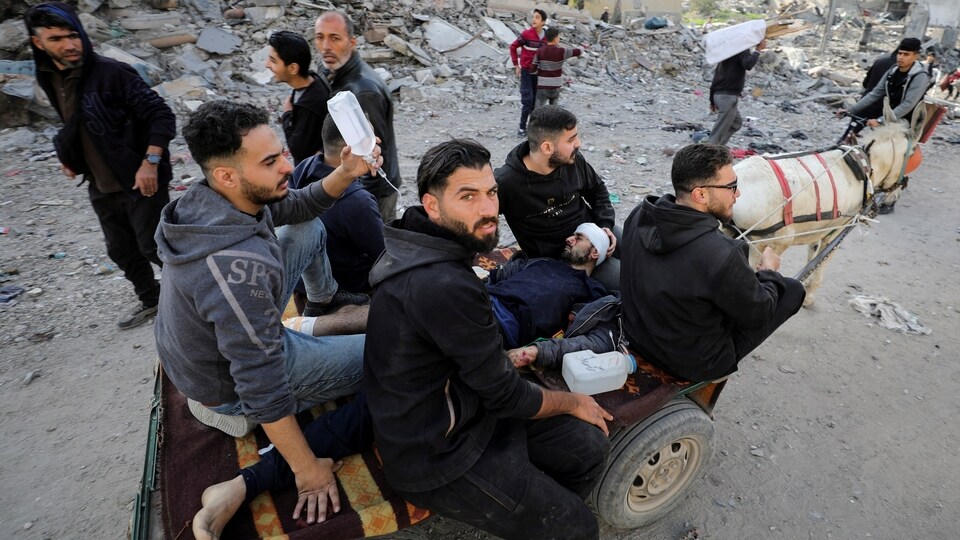
In regions like Gaza, the disruption of healthcare systems, widespread injuries, and the breakdown of sanitation have created a breeding ground for superbugs.
What are superbugs?
‘Superbugs’ are formed when microbes such as bacteria evolve and resist the drugs designed to kill them, making previously treatable infections deadly. This is known as antimicrobial resistance.
In conflict zones, the lack of functional hospitals, diagnostic tools, and sanitation worsens this issue. With healthcare workers displaced or killed, and medical supplies in short supply, infections go untreated or are treated with the wrong antibiotics, making a perfect atmosphere for the development of resistance.
Misuse of antibiotics
The overuse and misuse of antibiotics are particularly prevalent in these environments. When resources are scarce, broad-spectrum antibiotics, which target a wide range of bacteria, are often used without proper diagnostics, which not only promotes resistance but also allows resistant microbes to multiply and spread more easily.
Also Read | Gaza ceasefire: Hamas to release 4 female Israel soldiers, reveals their names
The breakdown in vaccination programmes in conflict zones further worsens the problem. Fewer vaccinations against bacterial and viral diseases increase the risk of infections, leading to more antibiotic use and, consequently, a higher likelihood of developing resistance.
In refugee camps and shelters, overcrowded and unsanitary conditions contribute to the rapid spread of infections and resistant microbes. The lack of clean water and proper sanitation only worsens this, turning these areas into breeding grounds for drug-resistant bacteria.
Potential of global spread
One of the most concerning aspects of AMR in conflict zones is its potential to spread globally, with movement of people in and out of the conflict zone contributing to the spread across borders.
Refugees and displaced people often carry resistant microbes to regions with no or less prior exposure, contributing to the global spread of antimicrobial resistance.
Acinetobacter baumanii bacteria that are highly resistant to multiple antibiotics are one example, according to a report by The Conversation which said these have proven problematic to treat in United States military personnel that returned with combat injuries from Afghanistan and Iraq.
The same bacteria have been noted in the United Kingdom as a potential source of life-threatening infections that spread readily in hospitals.
In Afghanistan, Gaza, Syria, Ukraine, Yemen and elsewhere, bacteria resistant to multiple antibiotics have emerged and thrived during conflicts, and continue to do so, according to the report.


