
 E-Paper



It's back to Russian oil for India: Moscow to retake Delhi top spot while Trump fights Iran
Indian refiners had begun reducing Russian oil intake from November-December, analysis data showed.

 Prefer HTon Google


After gradual cuts over the past six months or so, Russia is now clawing back to the top position among oil suppliers to India. Iraq overtook it in February, but the March data looks set be wholly different, news agency Reuters reported on Friday, March 20. Thw turnaround comes after the US was forced to waive sanctions on Russian supplies at a time when Donald Trump's war on Iran, which has spread to wider West Asia/Middle East, and has brutally upset the global crude market.
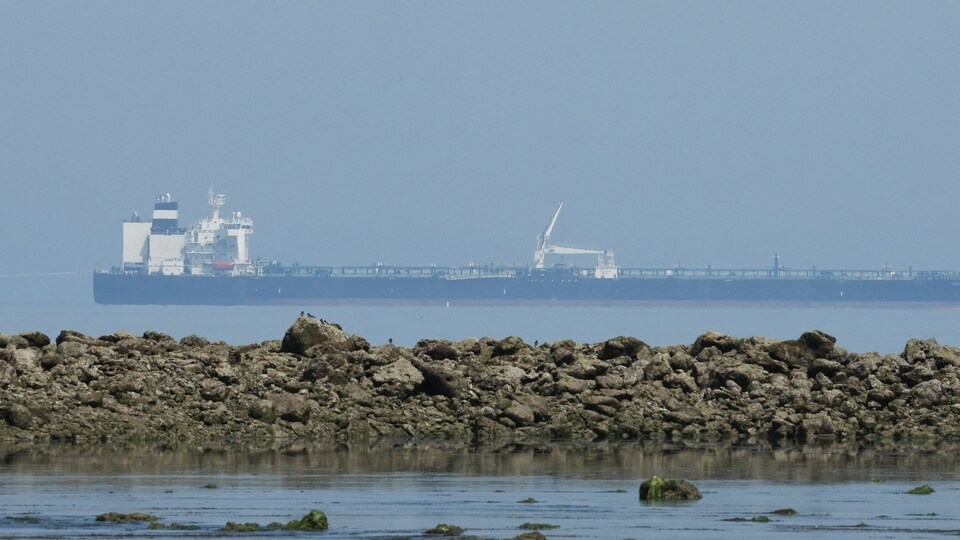
Indian refiners had begun reducing Russian oil intake from November-December, analysis data showed. This was a result of heightened US sanctions on Russian energy companies, and the imposition of high tariffs on India, including a “penalty” over Russian oil purchases. The penal 25% tariff was removed by Trump in early February with the promise of a trade deal and a reported commitment from India to cut Russian oil intake.
But February ended with Trump and Israel's Benjamin Netanyahu launching a new war, on Iran, which led to a blockade of the Strait of Hormuz, a key oil-transport waterwar in the Gulf region, by Iran in retaliation. Iran's attacks on fellow oil-rich Gul countries housing US bases also hit production and supplies.
This led to the US granting India a 30-day waiver to buy Russian oil already at sea; this was extended to all countries later.
Two weeks on, Indian and Chinese refiners are taking in tankerloads of crude to replace supplies trapped inside the Persian Gulf, the Wall Street Journal has reported.
The Indian preference for Russian oil was a recent phenomenon, though. Before the Russia-Ukraine conflict began in 2022, Russian oil accounted for about 2.5% of India's imports. That figure crossed 20%, then 35%, and at some point even 40%, as India took advantage of steep discounts on Russian crude that faced sanctions elsewhere. But this declined significantly from November 2025.
Particularly after US sanctions on Russian oil majors Rosneft and Lukoil, Indian refiners began looking at alternatives and started diversifying their supplier base to other markets like the Middle East/West Asia, Reuters reported.
In February, India's oil imports from Iraq rose to two-year highs of 1.18 million bpd, while purchases from Saudi Arabia climbed to about 998,000 bpd, the highest since December 2021, the news agency reported citing data obtained from its unnamed sources. As a result, the share of the Middle East/West Asia in India's overall oil imports rose to nearly 59%, the highest since August 2022.
The new war in Iran upset that, meaning a turn to Russia again for India, which is the world's third-biggest oil importer.
India's Russian oil imports have now rebounded to around 1.8 million bpd and could reach 2 million to 2.2 million bpd in March, according to Sumit Ritolia, lead research analyst at ship tracking firm Kpler.
"Russian barrels remain central to India's crude import strategy," he said.
Asked about the Hormuz Straikt blockade's effect, Indian government officials have said the country's reliance on Middle Eastern oil has declined significantly amid the disruption, with around 70% of its supplies now coming from other sources.
Meanwhile, Moscow’s shadow fleet has started operating again, possibly even taking supplies to Cuba, another country hounded by the US with sanctions for years. Things took a turn for the worse in Cuba since January as supplies from its Communist ally Venezuela also dwindled, after Trump carried out a military siege and “arrested” President Nicolas Maduro.


