
 E-Paper



Jacinda Ardern’s 2023 election prospects dim as New Zealand recession looms
New Zealand Prime Minister Jacinda Ardern faces an uphill battle to win a third term next year as interest rates surge, a recession looms and her administration struggles to convince voters that it’s coping with a crime wave.

 Prefer HTon Google


New Zealand Prime Minister Jacinda Ardern faces an uphill battle to win a third term next year as interest rates surge, a recession looms and her administration struggles to convince voters that it’s coping with a crime wave.
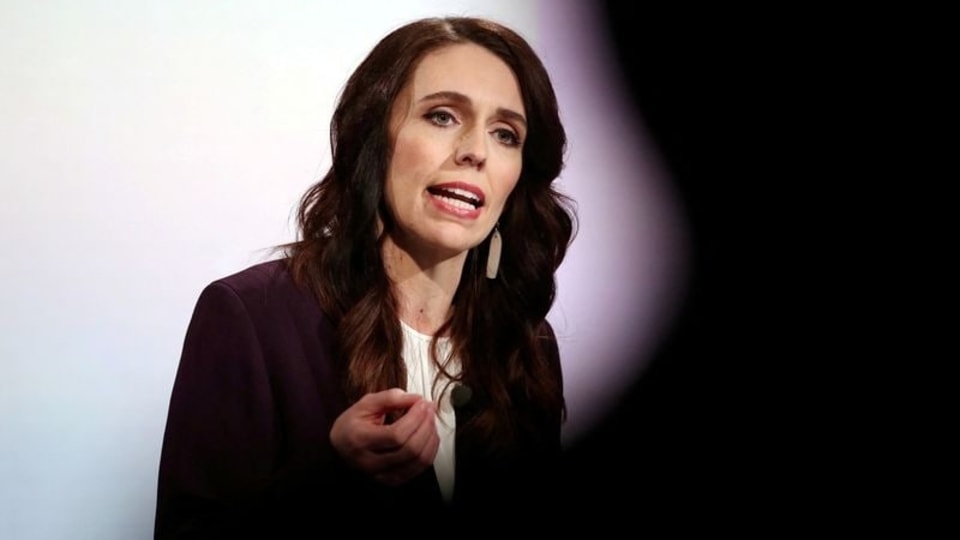
Ardern’s Labour Party lost to the opposition National Party in a by-election over the weekend, adding to signs that support for the government is waning. With a general election less than a year away, Labour ends 2022 trailing National in the polls.
It’s a rapid reversal of fortunes for Ardern, who stormed to a landslide victory just two years ago on the back of her early success at keeping Covid-19 out of the country. Now that the virus is here to stay, voters’ minds have turned to the soaring cost of living and law and order.
“Labour is no longer able to rely on their Covid response for support, and it seems as though voters now want action across a range of issues,” said Lara Greaves, a political scientist at the University of Auckland. “In particular, New Zealanders have been concerned about an increase in youth crime.”
Recent headlines have been dominated by a wave of so-called ram raids, with youths using stolen cars to bash their way into locked shops late at night to steal goods. That’s allowed opposition parties to accuse the government of going soft on crime and pledge stiffer penalties if elected. The fatal stabbing of a corner-store owner on Nov. 23 added to the furore.
Labour is also being battered on the economic front.
Also read: New Zealand PM Jacinda Ardern says China has become ‘more assertive’
The central bank has accelerated the pace of its rate increases, last month hiking the Official Cash Rate by a record 75 basis points to 4.25% and signaling further increases next year as it seeks to regain control of inflation. That’s driving down house prices and is expected to tip the economy into recession from mid-2023 as soaring mortgage rates curb spending.
A general election is expected to be held toward the end of next year.
Poll Slide
A 1News/Kantar poll published last week showed Labour falling 1 percentage point to 33% support, five points behind National on 38%. National’s ally the ACT Party climbed two points to 11% support, which would give the pair a parliamentary majority if the results were replicated at the election.
Ardern remains the country’s most-preferred prime minister, on 29% to National leader Christopher Luxon’s 23%, but her rating has halved from more than 60% in 2020.
National has found stability under the leadership of Luxon, a successful businessman who was chief executive of national carrier Air New Zealand before entering politics in 2020.
Also read: Reporter asks NZ leader Jacinda Ardern sexist question. Listen to her response
The Hamilton West by-election was comfortably won by National, retaking a seat that Labour won in 2020. While voter turnout was poor and the result is inconsequential for the current parliament, it is another indication that sentiment is swinging away from Labour.
“It was disappointing but not unexpected,” Ardern told Radio New Zealand on Monday. She noted that Labour also lost Hamilton West when it came to power in 2017, “so I don’t think it’s fair to use that seat as being indicative generally of what happens at general elections.”
Luxon disagreed, saying the result shows how concerned New Zealanders are about “an economy going backwards” and “not feeling safe in their own homes or businesses.”
“Voters have sent a message to Labour that the country is heading in the wrong direction, and they need a National government to turn it around and get things done,” he said.


