
 E-Paper



Japan's infamous ‘Twitter killer’ executed, used to lure suicidal women off app
Takahiro Shiraishi chose suicidal victims online and offered to help them die. After he killed them, he dismembered bodies and stashed parts in coolers.

 Prefer HTon Google


Takahiro Shiraishi, infamously known as the 'Twitter killer' has been hanged, in Japan's first execution since 2022. Takahiro Shiraishi, 34, was on death row for the murder of nine people in 2017.
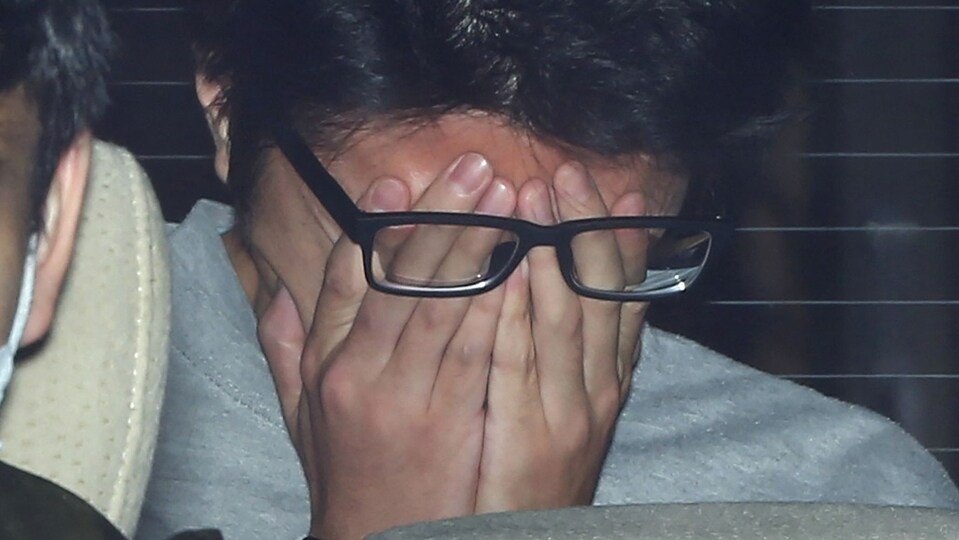
He lured females aged between 15 and 26, to his apartment near Tokyo, murdered them and chopped up their bodies.
"Nine victims were beaten and strangled, killed, robbed, and then mutilated with parts of their bodies concealed in boxes, and parts discarded in a garbage dump," Justice Minister Keisuke Suzuki was quoted as saying by news agency AFP.
Shiraishi chose suicidal victims on social media and offered to help them die. After he lured and killed them, he dismembered their bodies and stashed parts of it in coolers inside his apartment.
The disappearance of a 23-year-old woman who had tweeted about wanting to kill herself had led cops to Shiraishi in 2017, bringing the gory murders to light.
The Justice Minister said Shiraishi committed the crimes with a “selfish reason of satisfying his own sexual and financial desires”.
Shiraishi's lawyers were against his hanging, arguing that his victims had consented to die.
First execution since 2022
Before Shiraishi, one Tomohiro Kato was executed in 2022 for a 2008 attack in Tokyo’s Akihabara. Kato had driven a rented two-tonne truck into a crowd before going on a stabbing spree that left seven people dead.
In Japan, death penalty retains strong public backing. Out of 1,800 respondents, 83 per cent viewed capital punishment as “unavoidable”, a government survey conducted in 2024 showed.
Japan is the only other country apart from the US that is part of the Group of Seven industrialised economies and retains the practice.
While the law mandates that executions take place within six months of a final verdict, inmates sometimes have to wait for years in solitary confinement, which many believe leads to psychological issues.
Inmates are typically informed of a hanging hours before it happens, usually in the early morning.
The system has faced widespread criticism, particularly for its lack of transparency.
(With AFP inputs)


