
 E-Paper



Nvidia’s Days as an Open Checkbook for the AI Economy Are Numbered
Interim CEO Colette Kress is expected to rein in deals after a stretch in which Nvidia aggressively financed computing deals and startup investments.


 Prefer HTon Google


In his final months as chief executive of Nvidia, Jensen Huang was laying the groundwork to pull back the company’s approach to backstopping the AI economy.

Now, with a finance chief at the helm who was already wary of some deals the ousted chief forged, the startups who had been counting on Nvidia’s support expect an even greater pullback.
Just last month, the CEOs of emerging cloud companies that buy Nvidia chips and rent out computing power gathered in Berlin for Nvidia’s premier European artificial-intelligence conference. In a talk that surprised some, Huang’s message was clear: Nvidia’s days as an open checkbook were over.
Deep Dive

Huang told his partners that if their companies wanted allocations of Nvidia’s prized GPUs, they would need to secure upfront payments from customers, people in attendance said. That would make their projects easier to finance and ensure that Nvidia wasn’t alone in being a source of financial support.
“You’re not charging what you should be charging,” he said, telling them that Elon Musk was renting Nvidia chips to customers at better rates than they were. “I don’t even need you guys. I could just give all this capacity to Elon! Elon wants it!” he said, according to two executives who heard the remarks and one who was briefed on them shortly after.
Weeks later, Huang resigned after revelations that he had engaged in at least two affairs, including one with a woman U.S. officials believe is a Chinese intelligence asset and another with one of his direct reports. His interim successor, finance chief Colette Kress, has at times pushed back against some of the company’s big deals and sought to rein in Nvidia.
Many companies that had relied on Nvidia are now worried.
UBS analyst Tim Arcuri estimated in a recent note that an Nvidia financing pullback could take $50 billion or more out of the market, starving companies of support as interest rates rise.
Questioning returns
The chip giant spent much of the past year on a dealmaking spree to provide financial backstops to emerging companies, lend its balance sheet to support debt financings of data-center projects, and even act as a customer of last resort for its own chips. The firm agreed to rent its chips from some customers to signal to lenders that those companies had solid contracts in-hand.
Earlier this year, Nvidia signaled it was preparing to roll out new financial incentives and do more deals than ever.
Rivals, such as Alphabet’s Google and Advanced Micro Devices, were offering these companies similar incentives, and Huang didn’t want to lose market share. Among the executives leading the charge was Nico Caprez, an Nvidia vice president who is also Huang’s son-in-law.
Nvidia announced its financing program in July, but by August, Huang and Kress questioned the return on investment from some deals.
When Nvidia used its creditworthy balance sheet to help OpenAI sign a massive data center lease in Piketon, Ohio, with SoftBank’s SB Energy, it cut the scale of its commitment in August during negotiations. Kress had become skeptical of the scale of the deal.
Huang told his finance team in August that the company was under pressure, The Wall Street Journal previously reported. Major cloud providers were making plans to use alternative chips and lessen their reliance on the firm, and Nvidia was staring at a glut of chip wafers and memory it had committed to buying, he told them.
The then-CEO pressed staff to develop a way to decide whether guarantees were worthwhile. Later that month, it paused some deals in that initiative, the Journal reported.
U.K.-based neocloud Nscale is still negotiating with Nvidia and other investors to provide financial backing for a $45-billion data center for Anthropic in West Virginia, the Journal reported.
Backing startups
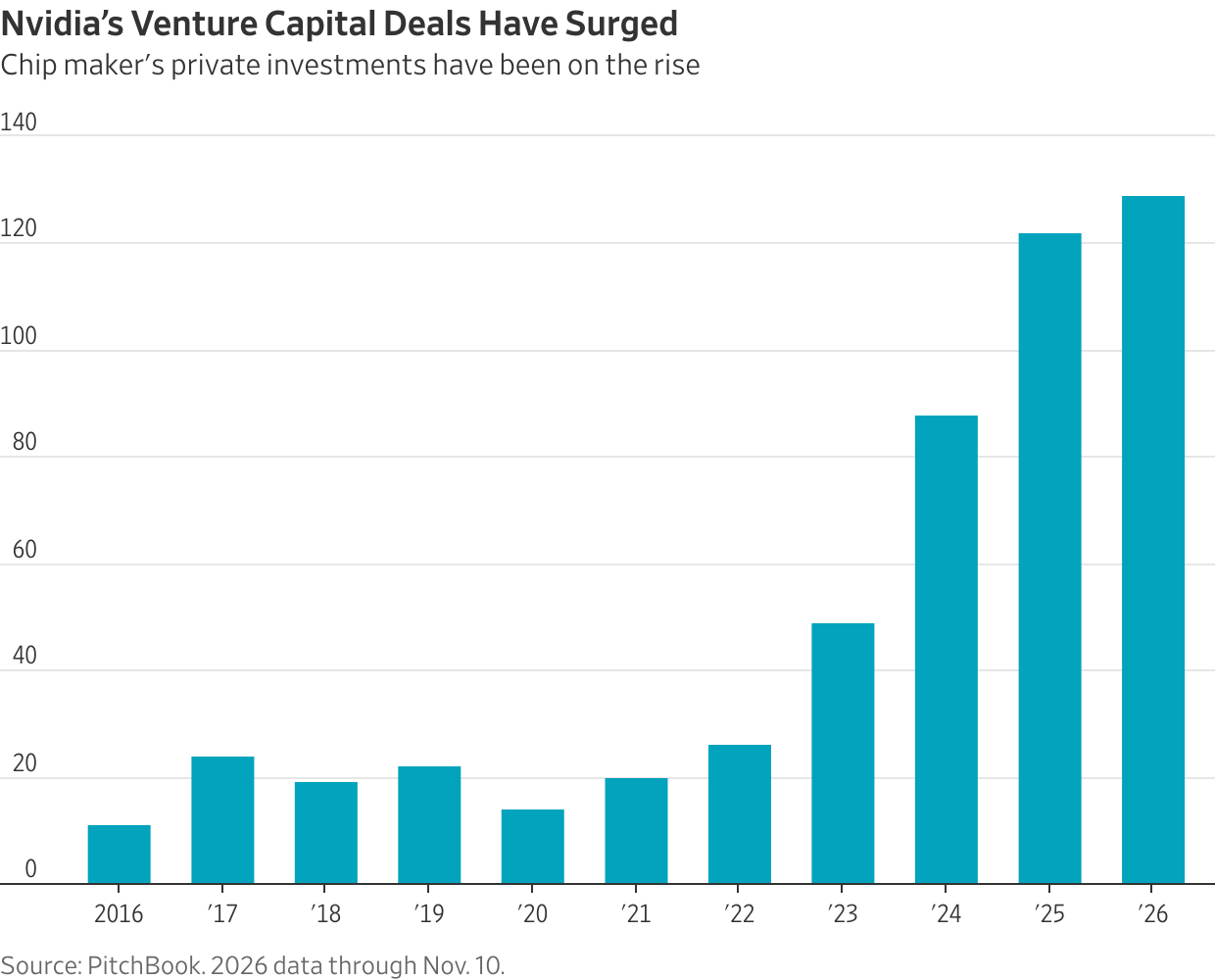
In addition to its extensive backstopping, the chip maker also made a string of equity investments in AI startups. In total, Nvidia has participated in a record 129 venture-capital deals this year, as of Nov. 10, accounting for 27% of global VC deal value, according to PitchBook, up from a total of 49 such deals in 2023.
CEOs of startups that had closed deals with Nvidia breathed a sigh of relief that their deals made it through before Huang’s ouster.
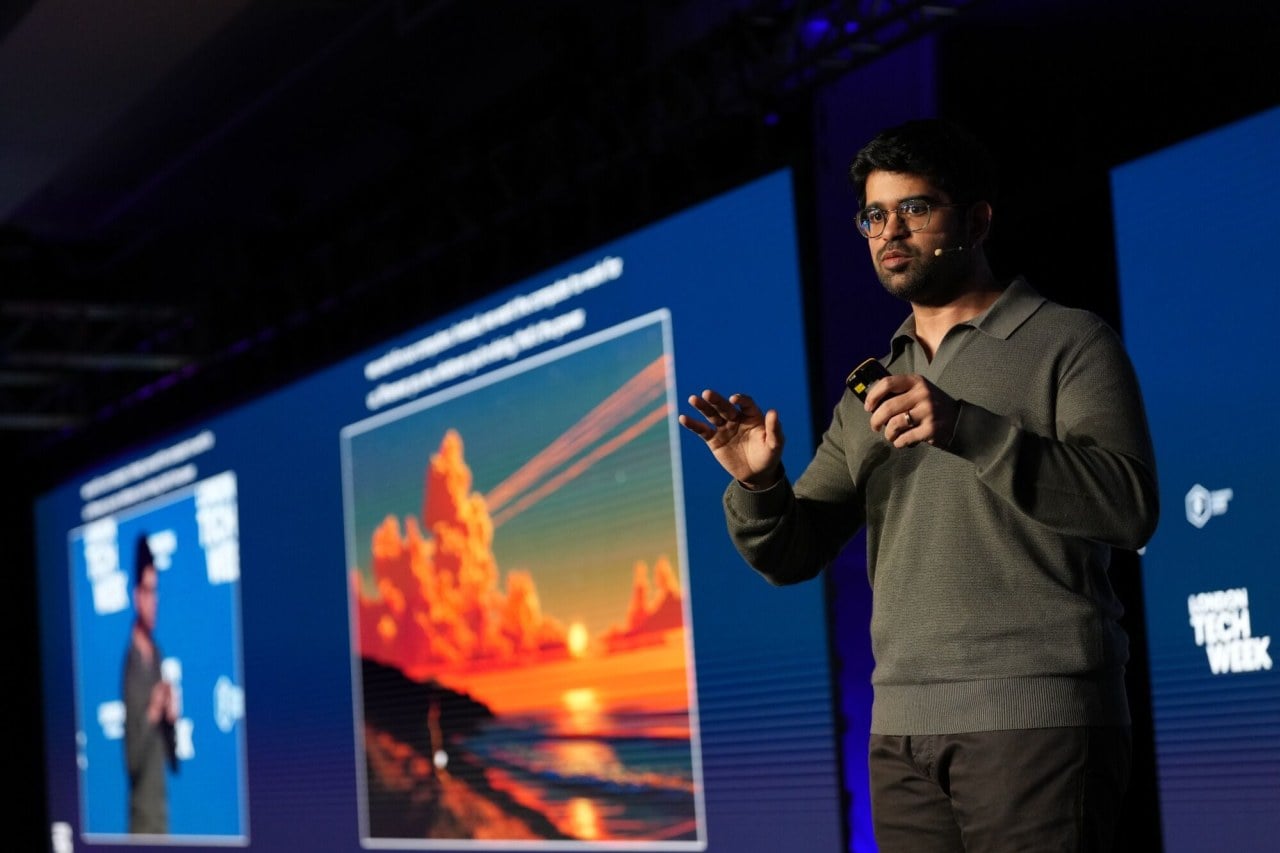
Perplexity Chief Executive Aravind Srinivas shared that Nvidia closed a $3 billion investment in the company with his employees during a weekly all-hands at the startup’s San Francisco headquarters on Oct. 30, a person familiar with the meeting said. It was one day after news broke that the Nvidia CEO was seen as a target of a Chinese spy plot.
The AI search company is now raising additional capital at a higher valuation of $38 billion before the new investment, according to people familiar with the matter.
Others hang in the balance.
Nvidia recently made an offer to Reflection AI, an open-source model developer valued at $25 billion, to license its technology and hire away some of its talent, according to people familiar with the matter. Huang had publicly praised the company. An agreement hadn’t been reached before he left, the people said.
Nvidia has also been finalizing a massive investment in Thinking Machines Lab, another provider of open-source models, valuing the company at $40 billion, according to people familiar with the matter. Thinking Machines is confident the deal will be completed, according to a person familiar with the matter.
Some details of Nvidia’s recent investments were earlier reported by the Financial Times and The Information.
Reflection and Thinking Machines are burning huge amounts of capital each month to pay for the computing power to develop their AI models, but haven’t yet developed a way to generate substantial revenue.
Some founders and venture-capital backers of companies with little to no sales said that if Nvidia did pull back from future equity investments, they could struggle to find capital to keep their cash-hungry businesses going, let alone secure a lucrative exit.
Write to Robbie Whelan at robbie.whelan@wsj.com, Anissa Gardizy at anissa.gardizy@wsj.com and Kate Clark at kate.clark@wsj.com


