
 E-Paper



Oxford vaccine shows protection against Covid-19 in monkeys: Study
The researchers from National Institute of Allergy and Infectious Diseases in the US and the Oxford University found that the ChAdOx1 nCoV-19 vaccine protects the macaques from Covid-19 pneumonia -- a complication of SARS-CoV-2 infection in which the lungs become inflamed and may fill with fluid.

 Prefer HTon Google


A Covid-19 vaccine candidate developed by the University of Oxford in the UK elicits an immune response and reduces the viral load in monkeys exposed to SARS-CoV-2 virus, according to a study published in the journal Nature on Thursday.
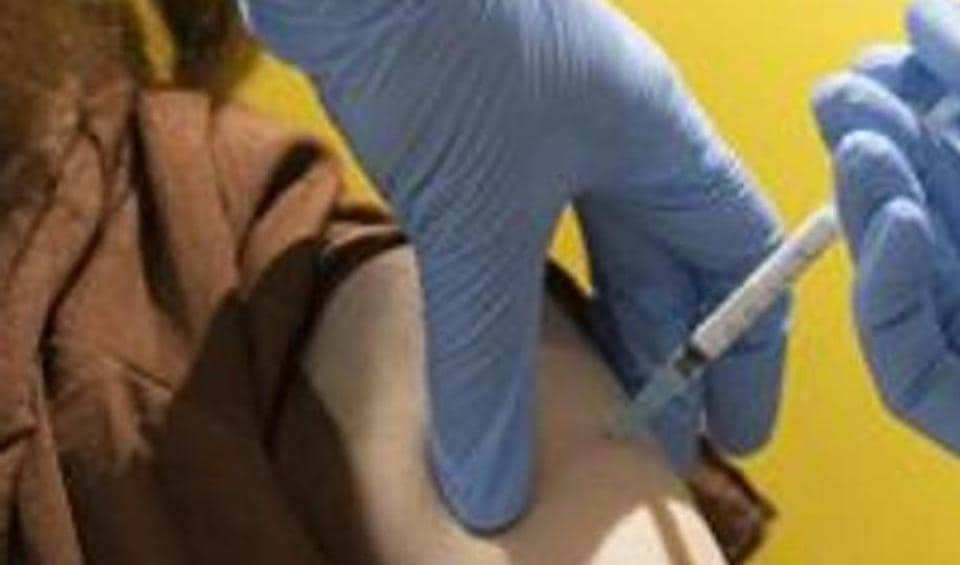
The researchers from National Institute of Allergy and Infectious Diseases in the US and the Oxford University found that the ChAdOx1 nCoV-19 vaccine protects the macaques from Covid-19 pneumonia -- a complication of SARS-CoV-2 infection in which the lungs become inflamed and may fill with fluid.
Preliminary results from this research were used to facilitate the start of clinical trials of the vaccine in humans, the researchers noted.
ChAdOx1 nCoV-19 is made from a weakened chimpanzee adenovirus -- a group of viruses that can cause a range of illnesses, including the common cold -- that expresses the SARS-CoV-2 spike protein, a structure that enables the coronavirus to enter human cells.
The researchers show that a single dose of ChAdOx1 nCoV-19, given to six macaques 28 days before exposure to SARS-CoV-2, is effective in preventing damage to lungs and drastically reduces the viral load, when compared with six control animals.
A further six macaques were given a booster course of two doses of the vaccine, at 56 and 28 days before challenge, which increased the immune response, the team found.
The vaccinated animals showed no evidence of immune-enhanced inflammatory disease, which has been observed in some preclinical studies of vaccines against SARS-CoV-2, according to the researchers.
They noted that there was no difference in viral shedding from the nose between vaccinated and control animals.
This finding indicates that ChAdOx1 nCoV-19 may not prevent infection or transmission, but may reduce illness, the researchers noted.
The study has led to clinical trials of the ChAdOx1 nCov-19 vaccine, which have enrolled more than 8,000 volunteers as of the beginning of July 2020, they said.
Another study on 52 adult rhesus macaques published in the journal Nature on Thursday found that a single dose of a vaccine made from an adenovirus, a group of viruses that are linked to illnesses such as the mild cold, protected the animals against SARS-CoV-2.
The optimal version of the vaccine is currently being evaluated in clinical trials, said the researchers of this study from Harvard Medical School in the US.


