
 E-Paper



Pakistan hit by water crisis as Indus Waters Treaty remains in abeyance; Punjab worst-hit: Report
Punjab province has been the worst-hit due to the "sudden decrease" in the inflows of the Chenab river.

 Prefer HTon Google


More than a month after India suspended the Indus Waters Treaty of 1960 with Pakistan, the neighbouring country has reported a drastic decrease in water.
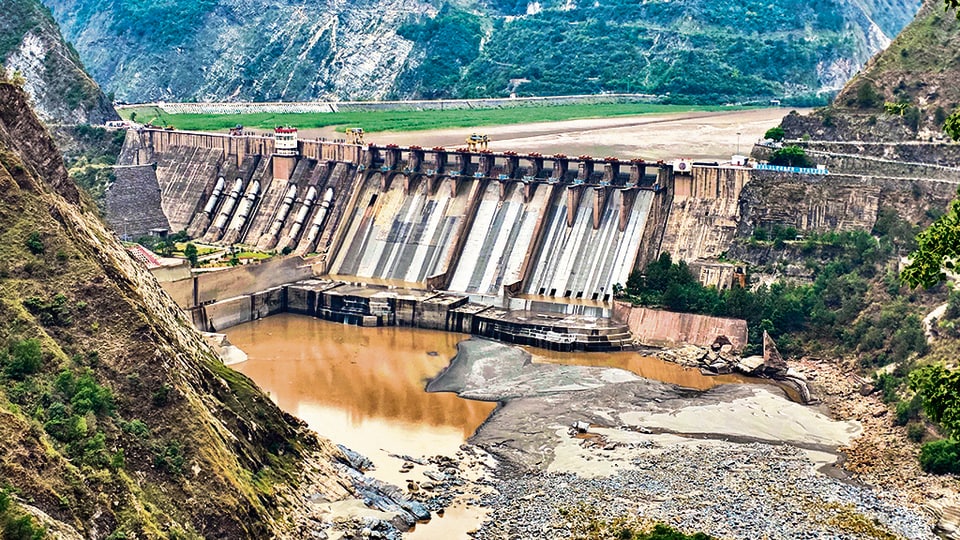
As per the latest data released by the Pakistani government, the water levels of the Indus and Jhelum rivers on Pakistan's side are running low. However, the Punjab province has been the worst-hit due to the "sudden decrease" in the inflows of the Chenab river.
Based on the data from the Indus River System Authority (IRSA), the total availability of water in Punjab stands at 1,28,800 Cusecs on June 2, which is 14,800 Cusecs less than the water available last year.
ALSO READ | Exposed by India globally over terror, Pakistan now dispatches delegations abroad
Furthermore, IRSA added that the availability of water in the Indus River system in Punjab has declined by 10.3 pe rcent. The situation is expected to worsen as the southwest monsoon for Pakistan remains four weeks away.
Bleak kharif season ahead
The water shortage in Pakistan's Punjab will have a direct impact on the summer crop season. Due to the limited availability of water, the province is bracing for irrigation problems amid severe summer heat.
As per IRSA, "sudden decrease in river Chenab inflows at Marala due to short supply by India would result in more shortage in early kharif season".
Water levels dip at Pakistani dams
At the Tarbela and Mangla dams, Pakistan has reported a dip in water level as India continues to reduce water flow of the Indus rivers.
As per an IndiaTV report, Mangla dam on the Jhelam river is currently left with less than 50 per cent of its fill level. Meanwhile, Tarbela dam on the Indus river stays slightly over 50 per cent.
India has also stopped sharing water data with Pakistan has it continues to hold the 1960 treaty in abeyance.
What is the Indus Waters Treaty?
The Indus Waters Treaty of 1960 divided the six key rivers of Indian after the partition of 1948. In this treaty, it was determined that the Western rivers of Indus, Jhelum and Chenab would be allocated to Pakistan, whereas the Eastern rivers of Ravi, beas ans Sutlej would be allocated to India.
Under the IWT, India will continue to receive 20 per cent of the water from the Indus River system, while Pakistan retains 80 per cent.
After the attack in Jammu and Kashmir's Pahalgam, which killed 25 Indians and one Nepali citizen, India announced it will be suspending the Indus Waters Treaty until Pakistan admits its role and takes action against cross-border terrorism.
In response to this, Pakistan stated that any act of stopping the water flow would be seen as an "act of war."


