
 E-Paper



Remdesivir, hydroxychloroquine did not cut hospital stay or mortality in Covid-19 patients: WHO
The study found the regimens appeared to have little or no effect on 28-day mortality or the length of the in-hospital course among patients hospitalized with Covid-19, the WHO said on Thursday.

 Prefer HTon Google


Gilead Sciences Inc’s remdesivir had little or no effect on Covid-19 patients’ length of hospital stay or chances of survival, a clinical trial by the World Health Organization (WHO) has found.
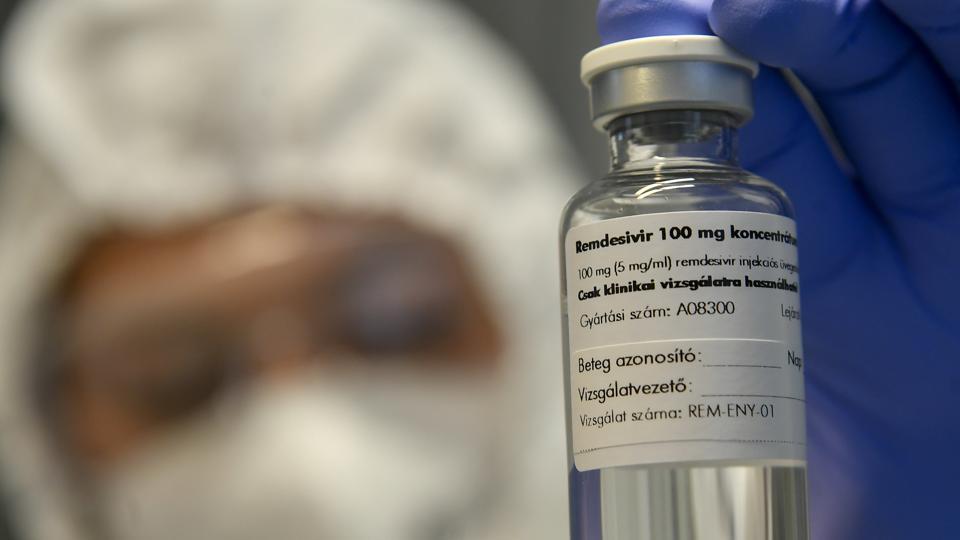
The antiviral medication, among the first to be used as a treatment for Covid-19, was one of the drugs recently used to treat US President Donald Trump’s coronavirus infection.
The results are from WHO’s “Solidarity” trial, which evaluated the effects of four potential drug regimens, including remdesivir, hydroxychloroquine, anti-HIV drug combination lopinavir/ritonavir and interferon, in 11,266 adult patients across more than 30 countries.
Follow latest updates on coronavirus here
The study found the regimens appeared to have little or no effect on 28-day mortality or the length of the in-hospital course among patients hospitalized with Covid-19, the WHO said on Thursday.
The results of the trial are yet to be reviewed and were uploaded on the preprint server medRxiv. (https://bit.ly/3nViYIf)
Earlier this month, data from a US study of remdesivir by Gilead showed the treatment cut Covid-19 recovery time by five days compared with patients who got a placebo in a trial comprising 1,062 patients.
“The emerging (WHO) data appears inconsistent, with more robust evidence from multiple randomized, controlled studies published in peer-reviewed journals validating the clinical benefit of remdesivir,” Gilead told Reuters.
“We are concerned the data from this open-label global trial has not undergone the rigorous review required to allow for constructive scientific discussion, particularly given the limitations of the trial design.”
WHO chief scientist Soumya Swaminathan said on Wednesday that during the study, hydroxychloroquine and lopinavir/ritonavir were stopped in June after they proved ineffective, but other trials continued in more than 500 hospitals and 30 countries.
Click here for complete coronavirus coverage
“We’re looking at what’s next. We’re looking at monoclonal anti-bodies, we’re looking at immunomodulators and some of the newer anti-viral drugs that have been developed in the last few months,” Swaminathan said.
Remdesivir received emergency use authorization from the US Food and Drug Administration on May 1, and has since been authorized for use in several countries.


