
 E-Paper



The criminal case against John Bolton looks serious
The charges consist of 18 felony counts. The indictment follows two filed against other antagonists of the president, Letitia James and James Comey


 Prefer HTon Google


JOHN BOLTON once likened the Trump administration to “Hotel California”, that place in the classic song by the Eagles where “you can check out any time you like, but you can never leave.” Mr Bolton was not speaking of his own tenure as national security adviser during Donald Trump’s first term, but he might as well have been. For even though Mr Bolton checked out of the White House long ago, he has never really left the president’s head, where he occupies a suite in the wing reserved for enemies.
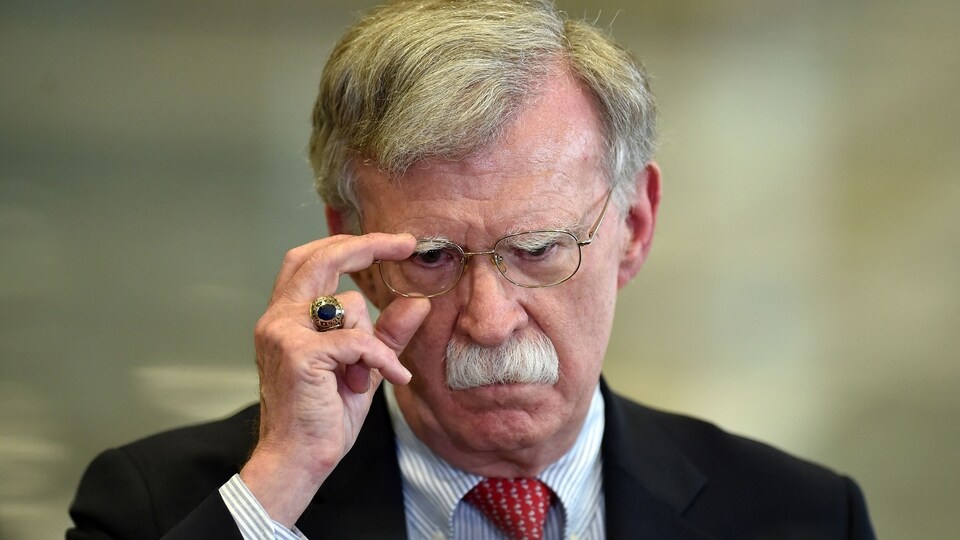
On October 16th came the bill, in the form of a lengthy criminal indictment handed down by a federal grand jury. Prosecutors charged Mr Bolton with mishandling classified information. They allege that, while working in the White House between 2018 and 2019, he shared contemporaneous notes containing classified material with his wife and daughter over his personal email and over messaging apps. After he left the government, an Iranian allegedly hacked his email, accessed this trove and sent him a series of messages that read like blackmail. Then last August the FBI raided his home. Prosecutors say they found classified documents there, in violation of his prior commitment to return all such material to the government.
The charges consist of 18 felony counts. The indictment follows two filed against other antagonists of the president, Letitia James and James Comey. But even though the decision to pursue Mr Bolton appears to be similarly motivated by vendetta politics, his case is substantively different. The evidence amassed by prosecutors appears stronger and the potential punishment is stiffer. Mr Bolton’s lawyer has said that no material his client shared was classified and these allegations were “investigated and resolved years ago”.
Mr Bolton and Mr Trump fell out over differences in policy and temperament. Mr Bolton is a hawkish, cerebral, deadpan tactician who never met a rogue-state regime-change plan he didn’t like and who is fond of quoting Cato. Mr Trump is impulsive, generally wary of foreign entanglements and not afraid to get cosy with dictators. All of this is extensively documented in Mr Bolton’s memoir, “The Room Where It Happened”, which paints the president as distractible and uninformed. Before the book had gone on sale Mr Trump was calling it “nasty & untrue” and “All Classified National Security”.
It is no surprise to learn that Mr Bolton took minute-by-minute notes with an eye to writing his memoir. At roughly 500 pages, the manuscript was ready within two months of his exit. The indictment alleges that he called his wife and daughter his “editors”. Prosecutors say that before he started his job, the family created a group chat on a messaging app. “Why are we using this now? The encryption?” one of them asked. “Yup. Why not?” replied the other. To which Mr Bolton added: “For Diary in the future!!!”
Nor is it surprising that Mr Trump’s justice department pursued this case. In 2020 the Trump administration sued to stop Mr Bolton from publishing the book, arguing that it contained classified material in violation of his non-disclosure agreement. A federal judge ultimately allowed the book to be released—copies had already been shipped to stores—but issued a damning assessment. Mr Bolton, he said, had “exposed his country to harm and himself to civil (and potentially criminal) liability”.
Given a warning like that, some people might have paused publication and triple-checked their files, returning anything potentially classified. “Pre-emptive self-disclosure goes a long way to heading off criminal action,” says Sean Bigley, a law professor who used to represent defendants in similar cases.
It will not help Mr Bolton’s defence that he styles himself as someone who understands the ways of Washington inside out. It follows that he ought to know the rules and know that they apply to him too. Sure enough the indictment cites past comments by Mr Bolton in which he called other people criminal and reckless for engaging in similar conduct. Prosecutors will use those words to argue that his alleged behaviour was not due to sloppiness, but was wilful.
Mr Bolton is not the first sophisticated Washington player to face such charges. Sandy Berger, a national security adviser during the Clinton administration, was accused of stuffing classified documents from the National Archives in his pockets. David Petraeus, a former army general and CIA director, was charged with divulging state secrets to his biographer, with whom he was having an affair. Mr Berger and Mr Petraeus both pleaded guilty to misdemeanours to avoid prison.
Mr Bolton took a big risk back in 2020; he may have assumed, with reason, that Mr Trump—then facing his first impeachment—would not long be in a position to act on his vendetta. Things turned out rather differently.


